Fifteen Artifacts Unearthed from the Gimhae Bonghwang-dong Site
Symbol of Byeonhan's Supreme Power, "Rotational Carving" Technique Applied
To Be Unveiled Today at the Yeongnam Region Yedamgo
The Cultural Heritage Administration announced on the 24th that fifteen high-quality lacquered ritual vessels (footed plates) symbolizing the highest power of Byeonhan were confirmed during the excavation of the 'Gimhae Bonghwang-dong Site.' These will be unveiled at the Yeongnam Region Yedamgo, which opens today at the Ham-an Mogok Tunnel. Yedamgo is a historical and cultural space for excavated relics, embodying the meaning of 'a space that contains the present in the old.' Since 2021, the Cultural Heritage Administration has been establishing this facility in idle spaces such as abandoned tunnels and dormitories to systematically store, manage, and utilize relics that have not been nationalized after excavation.
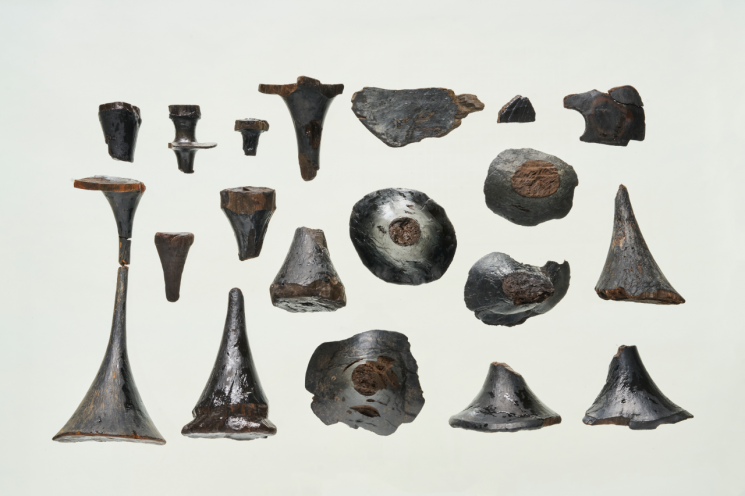 A batch of lacquered bean-shaped vessels (漆豆) excavated from the Bonghwang-dong site in Gimhae [Photo by the National Heritage Agency]
The lacquered ritual vessels, known as burial goods of the highest-ranking tombs, were excavated from an organic layer (about 0.7m deep) near a ditch-shaped structure (溝狀遺構, used as drainage or a trench) that suggests the presence of a large settlement. The most notable feature is the neck part. With a diameter of 1 cm, it is thinner and more delicate than previously excavated items, which measured 3 to 4 cm. There are traces of a potter's wheel fixed on the bottom part. A representative from the National Gaya Cultural Heritage Research Institute explained, "This proves that the 'rotational carving' technique, where the vessel is shaped while spinning, existed from the Byeonhan period."
In addition to the lacquered ritual vessels, the organic layer yielded scabbard-shaped lacquerware, cylindrical vessels, lids, bird-shaped wooden products, ladles, bowls, cups, weaving accessories, and handles of adzes (tools for woodworking). Oracle bones used for divination and small earthenware items were also found. A representative from the National Gaya Cultural Heritage Research Institute stated, "The Gimhae Bonghwang-dong Site had already formed an independent large-scale residential site since the 1st century, and it gradually grew from the residence of Byeonhan's elite to become the royal palace site, the center of Geumgwan Gaya."
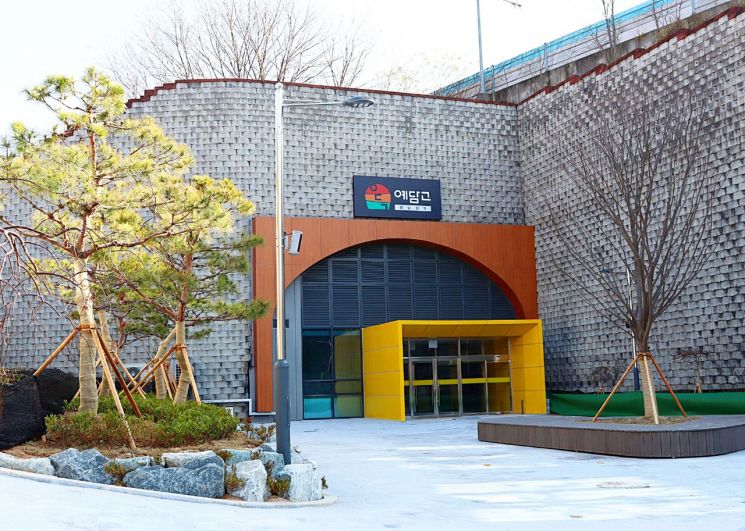
Meanwhile, the Yeongnam Region Yedamgo will hold various exhibitions along with the unveiling of Byeonhan relics today. It will introduce about 100 Ara Gaya relics excavated from the 'Haman Gayari Site,' 'Haman Malyisan Tumuli Cluster,' and 'Haman Ugori Site,' and host a permanent exhibition titled 'Trawl: The People Who Meet the Past First,' sharing stories of those who discover and study relics.
© The Asia Business Daily(www.asiae.co.kr). All rights reserved.













