A restaurant in Chungnam was criminally charged after being caught falsely labeling the origin of pork as domestic on delivery apps while cooking and selling spicy stir-fried pork and Osam Bulgogi using U.S.-origin pork.
The National Agricultural Products Quality Management Service announced on the 18th that from the 4th to the 14th, it conducted a regular crackdown on origin labeling in telecommunication sales such as delivery apps and online platforms, criminally charging 65 places for false labeling and imposing fines totaling 12.55 million KRW on 41 places for failure to label.
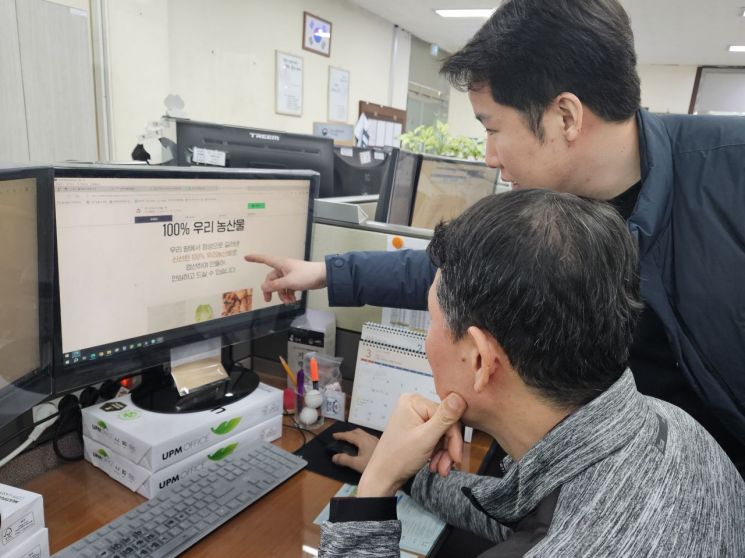 Officials from the National Agricultural Products Quality Management Service are conducting preliminary monitoring of origins on delivery apps and online platforms.
This regular crackdown was carried out by having special judicial police officers and consumer group honorary inspectors conduct on-site inspections of suspected violators identified through prior monitoring by the Agricultural Management Service's cyber inspection team on delivery apps and online platforms.
The number of origin labeling violations on delivery apps such as Baedal Minjok, Yogiyo, and Coupang Eats was 90 places, accounting for 84.9% of all telecommunication sales origin labeling violations (106 places), the highest proportion. Online platforms such as Naver, Coupang, and 11st accounted for 13 places, or 12.3% of the total. The main violated items were napa cabbage kimchi (28 cases), pork (18 cases), duck meat (16 cases), chicken (13 cases), and tofu products (12 cases), in that order.
The main types of origin violations included ▲ falsely labeling spicy stir-fried pork cooked with U.S.-origin pork as domestic on delivery apps ▲ falsely labeling the origin of processed products made with Chinese meju doenjang and foreign soybeans as domestic on online platforms ▲ falsely labeling domestic agricultural and livestock products from other regions as famous production areas such as Hongcheon Hanwoo beef and Namhae spinach.
Businesses that falsely label origin or fail to label origin two or more times within two years will have their business name, address, violation details, and telecommunication sales intermediary name publicly disclosed on the Agricultural Management Service website for one year.
Park Soon-yeon, head of the Agricultural Management Service, stated, "For agricultural product origin labeling to be established online, the interest and cooperation of consumers, businesses, and the government are all important," and urged, "Agricultural product producers, distributors, and sellers must fulfill their responsibility for origin labeling obligations, and consumers should carefully check where the raw materials originate."
© The Asia Business Daily(www.asiae.co.kr). All rights reserved.