Employment Rate for New University Graduates Reaches 92.6%
Highest Level Since 1999 Amid Labor Shortage
"Wage Gap Between Large and Small-Medium Enterprises Remains"
Japan's largest labor union organization, Rengo (Japanese Trade Union Confederation), announced the first survey results showing that the average wage increase rate in the spring wage negotiations, known as Chuntu (春鬪), was 5.46%.
According to reports by Yomiuri Shimbun and Asahi Shimbun on the 15th, the average wage increase rate calculated by Rengo by combining base salary increases and regular promotions was 0.18 percentage points higher than the same period last year.
The wage increase rate for small and medium-sized enterprises with fewer than 300 union members recorded 5.09%, up 0.67 percentage points from the previous year. This is the first time in 33 years since 1992 that the wage increase rate for small and medium-sized enterprises has exceeded 5%.
Rengo set the overall corporate wage increase target at 5% or more and the target for small and medium-sized enterprises at 6% or more in this year's Chuntu negotiations.
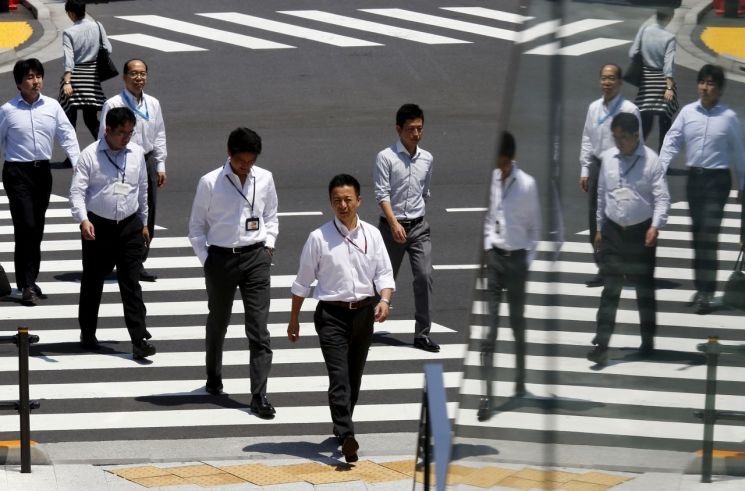
At a press conference the day before, Tomoko Yoshino, president of Rengo, evaluated that although the wage increase gap between large corporations and small and medium-sized enterprises has narrowed compared to last year, it is still difficult to consider it sufficient. Although Japanese workers' wages rose significantly last year compared to previous years, real wages have not increased due to factors such as rising food prices.
Meanwhile, the Japanese government announced that the job offer rate for university students scheduled to graduate this spring was 92.6% as of April 1. This is 1.0 percentage point higher than the same period last year and the highest figure since the survey began in 1999.
The Nihon Keizai Shimbun analyzed that "due to labor shortages, companies' willingness to hire has increased," and the situation where students have the upper hand in employment is becoming more pronounced.
© The Asia Business Daily(www.asiae.co.kr). All rights reserved.












