Differences Over Fentanyl Issue...
Contrasting Diplomatic Styles
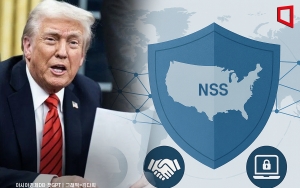
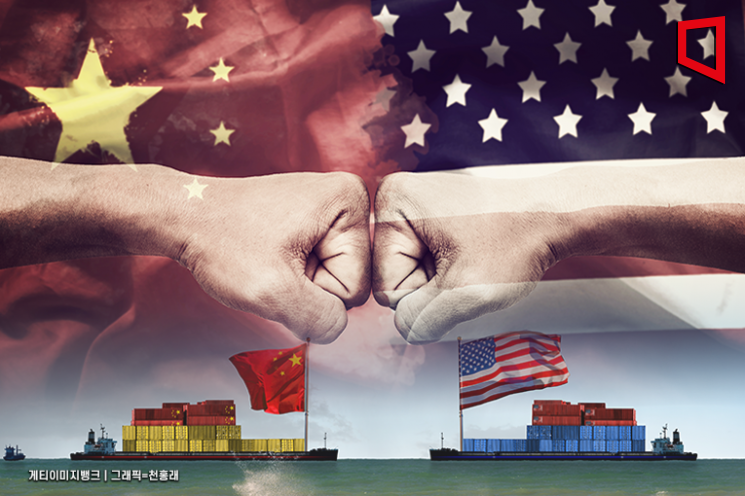
Bloomberg reported on the 10th (local time) that tariff and trade negotiations between the United States and China have reached a deadlock due to stark differences in views between the two sides. The disagreement stems from differing opinions on the fentanyl issue, which President Trump cited as the reason for imposing tariffs on China, as well as differences in diplomatic approaches.
According to sources, the negotiating teams from both sides have been in contact, but Chinese officials said that the U.S. has not presented specific measures China should take regarding the fentanyl issue in exchange for tariff removal.
However, the U.S. denied China's claims and pointed to messages sent to the Chinese side through diplomats in Washington, including Ambassador Xie Feng. Sources said these messages requested China to stop sending drug precursor chemicals to Mexico, execute death penalties for smugglers, and order the publication of articles condemning fentanyl trafficking on the front page of the Chinese Communist Party's official newspaper, the People's Daily.
Bloomberg explained that such disagreements between the two sides reveal a fundamental discord in diplomatic styles between President Trump and President Xi. President Trump prefers to discuss matters directly with world leaders over the phone. He used this approach in tariff negotiations with Canada and Mexico as well. In contrast, China typically prefers to coordinate details in advance before President Xi speaks with President Trump.
President Trump and President Xi had a phone call on January 17, just before Trump took office. Trump also stated that he had spoken with President Xi after taking office last month.
On the same day, the South China Morning Post (SCMP) reported that a U.S.-China summit could be held as early as next month. The Wall Street Journal (WSJ) said discussions have begun on holding the first summit in June. However, Bloomberg cited sources familiar with the White House saying there are currently no plans for a face-to-face meeting between the U.S. and Chinese leaders.
Due to these differences in diplomatic approaches, tariff negotiations are out of sync. Bloomberg reported that China prefers to establish communication channels between Wang Yi, Director of the Chinese Communist Party Central Foreign Affairs Commission Office (also Minister of Foreign Affairs), and Mike Waltz, U.S. National Security Advisor, similar to the previous Biden administration. According to sources, when Director Wang visited New York last month for a UN meeting, no one from the Trump administration contacted him, which China considers a missed opportunity for an important informal dialogue channel.
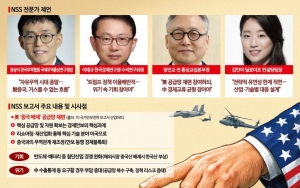
Wu Xinbo, Director of the Center for American Studies at Fudan University and a policy advisor to the Chinese Ministry of Foreign Affairs, said dissatisfaction is growing within Chinese authorities due to the failure to establish reliable communication channels. He said, "The Trump team has not yet specified what they want from China" and "there is no consistent policy."
Bloomberg analyzed that President Xi has ordered officials to respond calmly and has strategically retaliated by imposing counter-tariffs on U.S. agricultural and livestock products, but China's patience is being tested. It also noted that China is uneasy because efforts to eradicate fentanyl trade, one of the few areas of cooperation with the previous Biden administration, have not been recognized.
Dawei, Director of the International Security Strategy Center at Tsinghua University, said China is willing to take judicial action against companies and individuals illegally producing fentanyl precursors, but the U.S. has not provided concrete evidence. He added that China views the U.S. approach to fentanyl as very one-sided and wants to address the consumption issue as well. If the consumption problem is not addressed, even if China stops exports, other countries will fill the gap.
According to sources, China interpreted the timing of the Trump administration's tariff imposition as a negative signal. The U.S. imposed a second 10% additional tariff ahead of China's largest political event, the Two Sessions (National People's Congress and Chinese People's Political Consultative Conference).
According to sources familiar with the matter, the U.S. is expected to want to discuss fentanyl, implementation of trade agreements made during Trump's first term, investments creating jobs in the U.S. Midwest, strengthening dollar hegemony in global trade, and support for ending the Ukraine war in talks with China. The sale of China's short-form video platform TikTok may also be included on the agenda.
An official said China knows it must show cards such as expanding purchases of U.S. imports including energy and agriculture, investing in U.S. manufacturing, or opening its service industry to the U.S.
Neil Thomas, a researcher at the Asia Society Policy Institute, cited the White House meeting between President Trump and Ukrainian President Volodymyr Zelensky as an example, saying, "Chinese diplomats will want ironclad assurances that such humiliation will not befall their leader," and "What President Xi wants most is not to be publicly attacked."
© The Asia Business Daily(www.asiae.co.kr). All rights reserved.