Highest Increase in Registered Population
Proven Effect of i-Plus 100 Million Dream and Thousand-Won Housing Programs
Incheon City ranked first in the nationwide birth rate growth rate among 17 metropolitan cities and provinces last year.
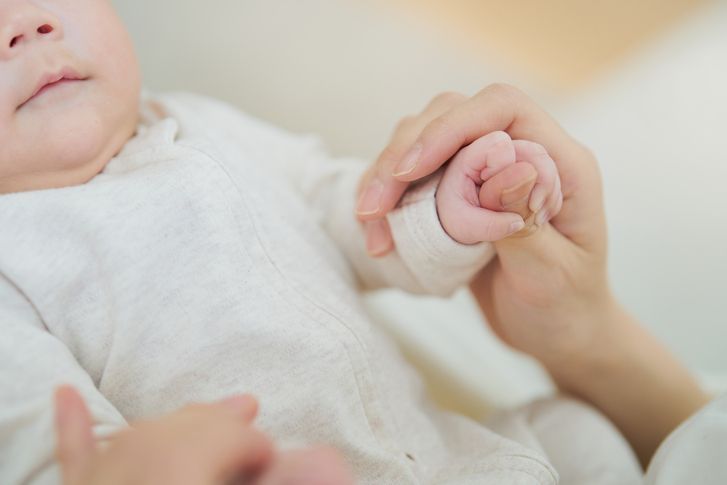
According to Incheon City on the 9th, the number of births in Incheon last year was 15,242, an 11.6% increase from the previous year, significantly surpassing the national average of 3.6%, ranking first among the 17 metropolitan cities and provinces. The registered resident population also saw the largest increase. As of last month, Incheon’s registered resident population was 3,027,854, an increase of 4,205 from the previous month, ranking first among the 17 metropolitan cities and provinces nationwide. Following Incheon, Seoul (4,170), Daejeon (835), and Sejong (759) showed growth, while the remaining 13 metropolitan cities and provinces experienced a decline.
Incheon was also the only city among Seoul and the six major metropolitan cities to see a population increase over the past year. Compared to February last year, the populations of Seoul, Busan, Daegu, Gwangju, Daejeon, and Ulsan all decreased, but Incheon’s population increased by 24,704, reaching 3,027,854.
Incheon City views its low birthrate response policies, such as 'i-Plus 100 Million Dream' and 'Thousand-Won Housing,' as contributing to the population growth effect.
The city is currently implementing policies such as the '100 Million Plus i-Dream' program, which provides a total of 100 million KRW in support for every child born in Incheon until they turn 18, and the 'Thousand-Won Housing' program, which offers rental housing to newlyweds at a daily rent of 1,000 KRW. The 100 Million Plus i-Dream policy adds approximately 28 million KRW?including angel support funds, i-Dream allowances, and transportation expenses for pregnant women?to the existing support of 72 million KRW, which covers parental benefits, child allowances, first meeting vouchers, and education expenses for elementary, middle, and high school, totaling 100 million KRW. The angel support fund provides 1.2 million KRW annually to children aged 1 to 7. The i-Dream allowance supports children aged 8 to 18 with a monthly amount that varies depending on the birth year; for children born in 2024, they receive 150,000 KRW monthly from age 8, totaling 19.8 million KRW.
The Thousand-Won Housing project rents houses to newlyweds and others for up to six years at a monthly rent of 30,000 KRW, equivalent to about 1,000 KRW per day. Starting with 500 households this year, the program plans to gradually expand; on the first day alone, 604 households applied. Eligible applicants include members of households without homes, newlyweds within seven years of marriage or engaged, single-parent families, and single-person households. Priority is given first to households with newborns, second to newlyweds with children, and third to newlyweds without children. In cases of competition within the same priority group, additional points are considered based on factors such as welfare recipient status, number of children, and the number of times housing subscription savings have been paid.
© The Asia Business Daily(www.asiae.co.kr). All rights reserved.












