Recognition of Historical and Academic Value
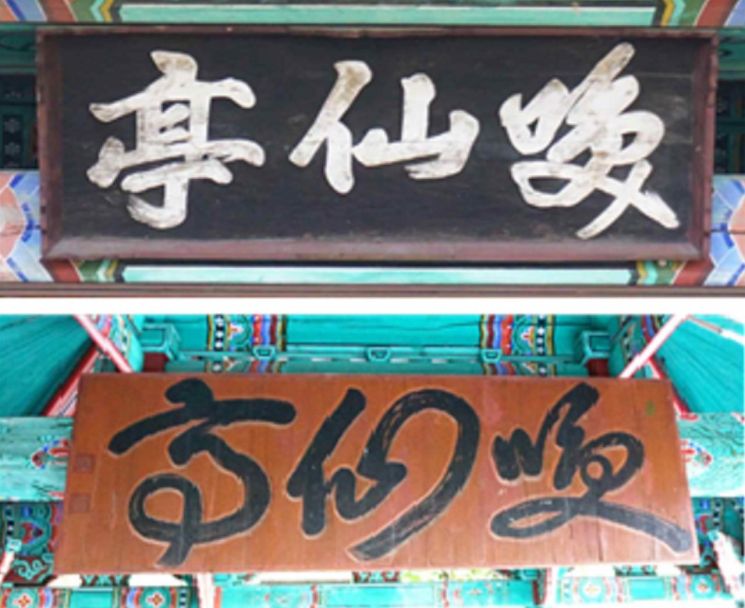
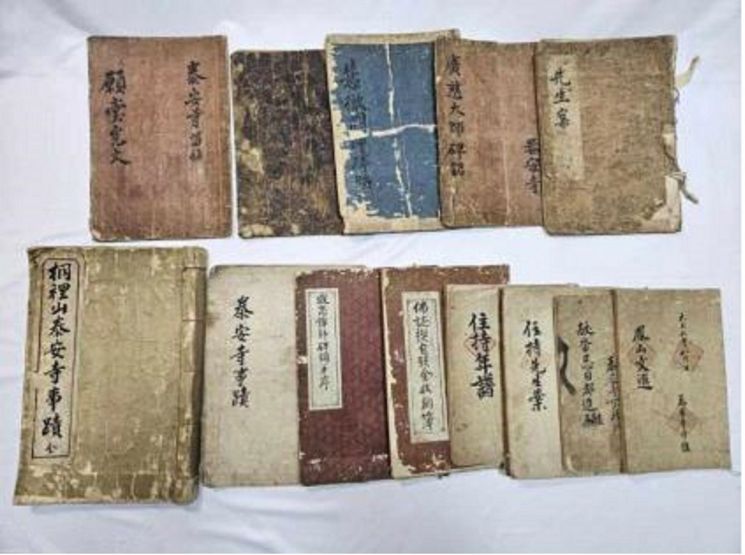
Jeollanam-do has designated the Gokseong Taeansa Temple Large Bronze Drum, the Gokseong Taeansa Temple Historical Records Collection, and the Suncheon Hwansunjeong Pavilion Nameplates as Provincial Tangible Cultural Heritage, and "Gangjin Myeongbaldang" as Provincial Intangible Folk Cultural Heritage, in order to systematically protect and succeed the region's historical and cultural heritage.
The designated heritages are important materials that allow us to study Buddhist culture, calligraphy, architecture, and the evolution of rural society, offering a glimpse into the unique characteristics and traditions of the Jeollanam-do region.
The Gokseong Taeansa Temple Large Bronze Drum (Gokseong Taeansa Geumgo) is a large bronze drum made in 1770. Through the inscriptions engraved on its side, the year of manufacture, the temple where it was enshrined, and the maker can be identified. Its exceptional artistry and expressive patterns give it high value in the history of Buddhist crafts. The drum, made of bronze, is a ritual instrument used in temples.
The Gokseong Taeansa Temple Historical Records Collection (Gokseong Taeansa Sajukgi Ilgwal) is a set of handwritten documents containing records related to Taeansa Temple from the late Joseon Dynasty to modern times. It includes information on the construction and operation of the temple, successive head monks, and Buddhist events. It is regarded as an important resource for research on Buddhist cultural history and rural social history.
The Suncheon Hwansunjeong Pavilion Nameplates (Suncheon Hwansunjeong Hyeonpan) are signboards created when the Hwansunjeong Pavilion, which was destroyed during the Japanese Invasion of Korea in 1592, was rebuilt in 1613 by Bae Daeyu, and another made in 1886 by Suncheon governor Lee Beomjin. The large size and dynamic brushwork of the calligraphy give these nameplates outstanding value in the history of calligraphy, history, and art.
Gangjin Myeongbaldang is the head house of the Haenam Yoon clan's Hangchon branch, a historic residence with over 200 years of history from the Joseon Dynasty to the present. Composed of a main building and an annex, the house preserves records of Jeong Jaewon, father of the scholar Dasan Jeong Yak-yong, interacting with Yoon Gwangtaek. This highlights its significance as a place of academic exchange with the Dasan family.
Kang Hyoseok, Director of the Jeollanam-do Department of Cultural Prosperity, stated, "With this designation, we have established a foundation to more systematically protect the history and traditions of the Jeollanam-do region and pass them on to future generations."
© The Asia Business Daily(www.asiae.co.kr). All rights reserved.













