Significance of Gapyeong-gun's Official Border Area Designation
Up to 24 Billion KRW in Annual Support Expected... Economic Revitalization Anticipated
Second Home Tax Benefits and Tourism Infrastructure Expansion to Improve Living Conditions
Gapyeong-gun, Gyeonggi Province (Governor Seo Tae-won) has entered a new phase of regional development as it has been officially designated as a border area.
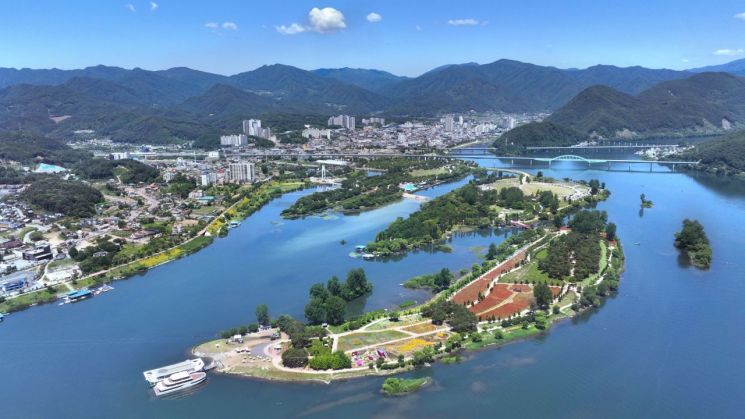
According to Gapyeong-gun on the 5th, the government deliberated and approved the amendment to the "Special Act on Support for Border Areas Enforcement Decree," which includes the additional designation of Gapyeong-gun as a border area, at the Cabinet meeting on the 4th. Accordingly, Gapyeong-gun and Sokcho-si were added to the existing 15 border areas.
Governor Seo Tae-won stated, “This designation as a border area is not merely an administrative change but is expected to have positive effects in various aspects such as economy, population, tourism, and living conditions,” adding, “It is significant in that Gapyeong-gun has secured a new future growth engine.”
Gapyeong-gun had been striving to be designated as a border area as soon as possible, conducting a county-wide signature campaign from April 22 to the end of June last year, achieving a high signature rate of 71.5% (45,370 people), far exceeding the initial goal of 50% of the total population. In particular, Governor Seo Tae-won and National Assemblyman Kim Yong-tae met with the Minister of the Ministry of the Interior and Safety based on the results of the signature campaign reflecting the residents’ wishes and requested active interest and support from central government ministries. Governor Kim Dong-yeon of Gyeonggi Province strengthened cooperation with Gapyeong-gun and actively supported it so that Gapyeong-gun could be designated as a border area promptly through the ‘Northern Gyeonggi Large Development Project.’
With the designation as a border area and the application of special measures for population decline areas, Gapyeong-gun is expected to see an influx of population due to increased demand for ‘second homes.’ The currently promoted tax special measures for second homes are designed so that a single household owning one home who acquires an additional home in Gapyeong-gun will still be recognized as a single household with one home and receive tax reduction benefits on comprehensive real estate tax, capital gains tax, acquisition tax, and property tax. This is expected to increase demand for weekend homes or long-term residences and raise the possibility of converting them into permanent residences.
The actual tax burden reduction effect is also significant. For example, if a person who owns one home in a non-population decline area such as Seoul purchases an additional home in Gapyeong-gun with a publicly announced price of 400 million KRW or less, they will be considered as owning one home when comprehensive real estate tax and capital gains tax are imposed, greatly reducing the tax burden. In addition, a person without a home or a single household owning one home who acquires a home priced at 300 million KRW or less in Gapyeong-gun can receive a 50% reduction in acquisition tax. As these benefits lead to actual burden relief, demand is expected to increase for using second homes not as vacation houses but as permanent living spaces.
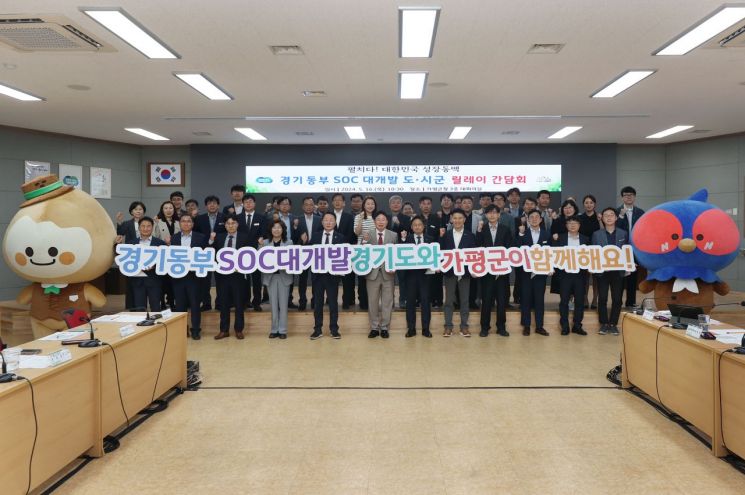 May 16 last year, ‘Gyeonggi Eastern SOC Major Development Urban-County Meeting’ held at Gapyeong County Office. Provided by Gapyeong County
Gapyeong-gun already has strengths as a tourist destination, but the designation as a border area has made more systematic development possible. In connection with the government’s ‘Border Area Development Support Project,’ projects such as creating world-class walking trails, expanding natural and ecological tourism infrastructure, and developing regionally specialized tourism resources are planned. If the tourism industry is revitalized, it is expected to have a positive impact on the overall local economy, including lodging and food service industries.
Furthermore, if newly reflected in the ‘Special Situation Area Development Project,’ the support budget will expand from the existing 3 billion KRW to 6 billion KRW, and related development is expected to be in full swing. Through this, projects such as expanding local transportation networks, strengthening cultural, sports, and welfare infrastructure, and fostering regionally specialized industries will be promoted. The county plans to use this to promote sustainable tourism and economic revitalization in the region.
The designation as a border area is expected to be an opportunity for Gapyeong-gun to secure long-term growth engines beyond short-term government support. To this end, Gapyeong-gun plans to promote a feasibility study for the ‘Comprehensive Border Area Development Plan’ starting in 2025 and prepare concrete strategies for population inflow and economic revitalization.
First, in April, the county will launch the feasibility study for the ‘Comprehensive Border Area Development Plan’ to specify long-term development strategies. Then, after June, a proclamation ceremony for the border area designation will be held to officially announce government support. In addition, through consultations with the Ministry of the Interior and Safety in the first half of the year, the county will push to secure the budget for the 2026 Special Situation Area Development Project, and in the second half, finalize the project through a public hearing with residents. Through this process, administrative procedures will be completed by the end of this year, and full-scale project implementation will begin.
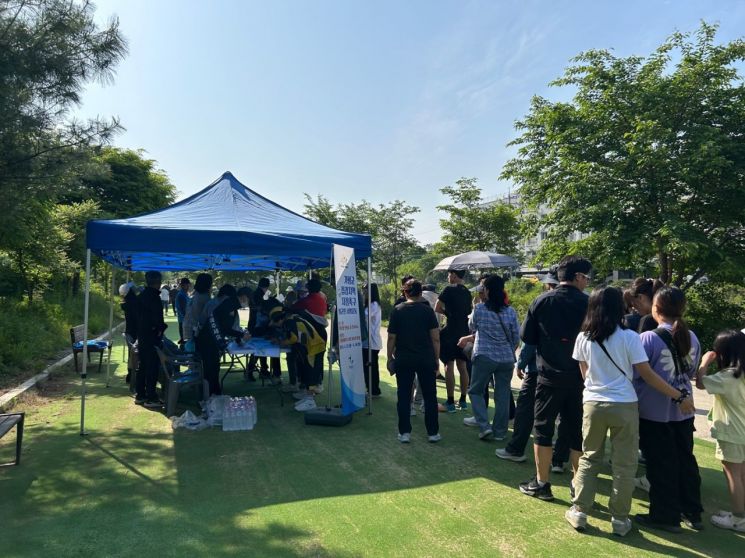
Governor Seo Tae-won said, “The final designation of Gapyeong-gun as a border area is the result of the earnest wishes and efforts of the residents, marking an important turning point for regional development,” adding, “We will prepare and implement systematic plans so that the designation as a border area will not be a mere administrative change but a real springboard for regional development.”
© The Asia Business Daily(www.asiae.co.kr). All rights reserved.














