Rising Production Costs and Foreign Exchange Losses in Import Payments
Most Business Plans Set Exchange Rate at 1,300-1,350 Won
Companies Respond by Cutting Costs and Adjusting Import-Export Prices
Businesses Urge for Urgent Policy Measures Such as Expanding Tax Reductions
More than half of import-export companies in Gwangju are experiencing negative impacts such as increased production costs due to the rise in exchange rates.
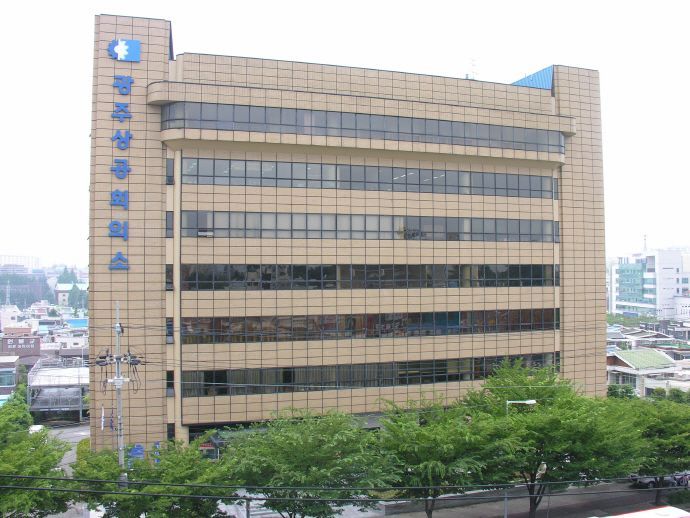
According to the Gwangju Chamber of Commerce and Industry on the 27th, a survey titled "Impact of the Sharp Rise in KRW-USD Exchange Rate on Local Companies" was conducted on 100 import-export companies in Gwangju to understand the difficulties and response measures of businesses amid recent domestic and international instability and the sharp increase in exchange rates.
When asked about the impact of the recent rise in exchange rates, the majority responded "negative (59.0%)", followed by "positive (24.0%)" and "no particular impact (17.0%)".
The main reason for the negative impact was "increased production costs (27.0%)". Other reasons included "foreign exchange losses during import payments (20.0%)", "pressure from overseas clients to lower supply prices (7.0%)", and "increased transportation costs (5.0%)".
The most common response regarding the KRW-USD exchange rate applied when establishing business plans was "between 1,300 won and 1,350 won (35.0%)". Similarly, the most common answer for the break-even exchange rate was also "between 1,300 won and 1,350 won (28.0%)".
Regarding response measures to the rise in exchange rates, the largest number of companies said they were "reducing costs (39.0%)". Other measures included "adjusting import/export prices (25.0%)", "controlling import/export volumes (18.0%)", "raising product prices (15.0%)", "procuring domestic raw materials (14.0%)", and "diversifying export/import partners (12.0%)". Additionally, 21.0% responded that they had "no particular response measures".
As for the most urgent policy support needed in relation to exchange rate instability, "expansion of tax reductions (49.0%)" was the most common answer. "Expansion of policy financial support (47.0%)", "support for logistics costs (42.0%)", and "expansion of R&D support (14.0%) for localization and strengthening technological competitiveness" were also cited as urgent needs.
A representative from the Gwangju Chamber of Commerce and Industry stated, "As the economic downturn continues and management uncertainties such as the launch of Trump's second term are added, the anxiety among local companies is deepening," adding, "It is a critical time for the government and local authorities to prepare multifaceted policies to enhance the competitiveness of local companies, in addition to expanding financial support and providing exchange risk management assistance."
© The Asia Business Daily(www.asiae.co.kr). All rights reserved.












