The Ministry of Environment announced that it will additionally suspend the operation of coal-fired power plants to prevent fine dust pollution in spring.
On the 26th, the Ministry of Environment announced an inter-ministerial plan titled "Comprehensive Response to Reduce Fine Dust in Spring." According to the plan, 28 out of 53 public coal power plants will be suspended until spring. Currently, only 15 plants are suspended during the winter season.
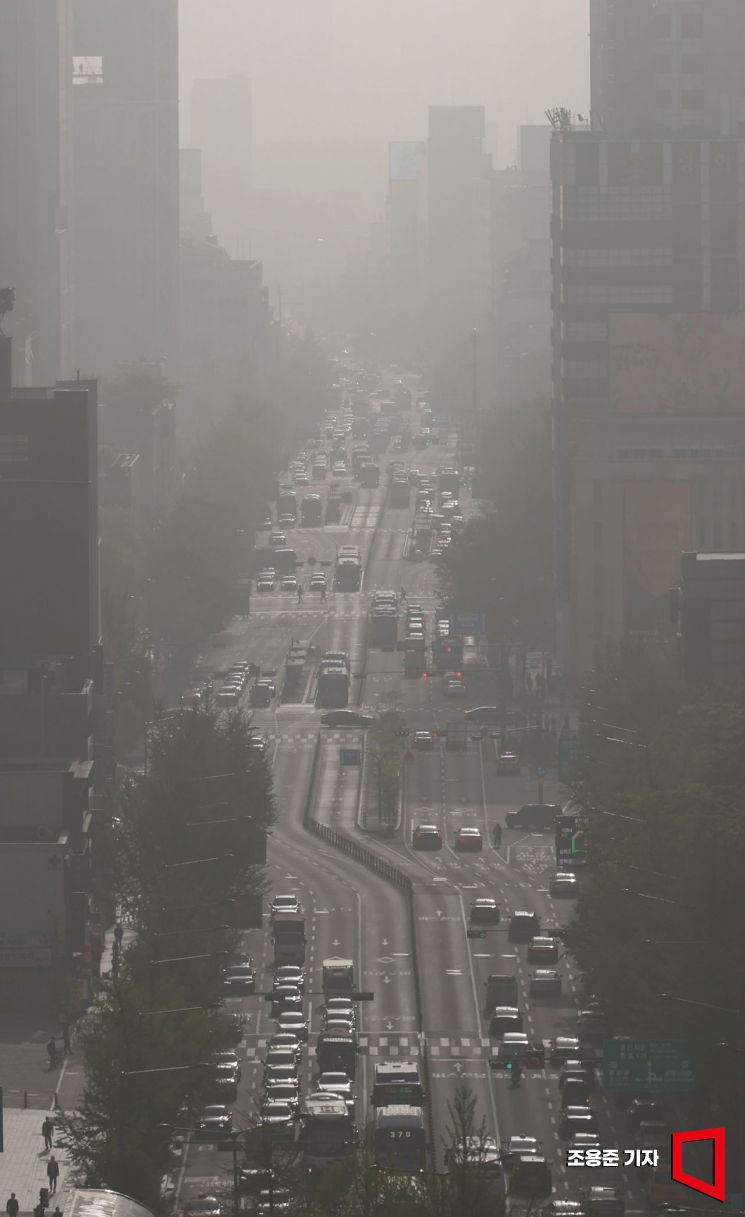
Since 2019, the government has been implementing a seasonal fine dust management system from December to March to reduce air pollutant emissions. Although the 6th plan is currently in operation this year, additional strengthened measures have been introduced due to particularly high concentrations of fine dust in March.
First, fine dust in living spaces will be intensively managed. The operation of street cleaning vehicles will be expanded up to four times a day on roads with high pollution or heavy traffic. Measures to reduce dust scattering at construction sites and inspections on the use of old construction machinery at government-funded construction sites within air quality management zones will be enforced.
Ventilation and air purification facilities at frequently used underground stations, railways, and airport terminals will undergo special inspections to ensure normal operation, initiating enhanced indoor air quality management compared to usual times.
Measures to protect sensitive and vulnerable groups will also be implemented. Schools and elderly care facilities will be inspected on-site for management status, and flexible work arrangements will be actively recommended for pregnant women and respiratory disease patients during periods of sustained high fine dust concentrations. Customized management methods will be provided for workplaces with outdoor workers vulnerable to fine dust exposure.
Inspections on major sources of fine dust pollution will be strengthened. Vehicles will be inspected on-site using emission measurement equipment and enforcement cameras. Idling will be strictly monitored at terminals and parking lots. For businesses suspected of illegal emissions, joint public-private enforcement will utilize advanced monitoring equipment such as drones and mobile measurement vehicles.
Additionally, to prevent illegal burning of agricultural waste, a joint public-private intensive collection period will be operated, and in areas adjacent to forests and regions with many elderly farmers, support for agricultural residue shredders and shredding support teams will be provided.
The public sector will elevate emergency reduction measures from level 1 (interest) to level 2 (caution) during high fine dust concentration events, reducing emissions more than the private sector.
Kim Wan-seop, Minister of Environment, emphasized, "Although fine dust concentrations have improved, public perception remains low," and added, "We will do our best to ensure that citizens can enjoy a comfortable daily life without worrying about air pollutants."
© The Asia Business Daily(www.asiae.co.kr). All rights reserved.












