Charges Also Include Violations of the Electronic Financial Transactions Act and the Telecommunications Business Act
A man in his 20s who resolved his meals on credit at delivery restaurants by saying "Tomorrow is payday" and failed to repay the money was eventually sentenced to prison.
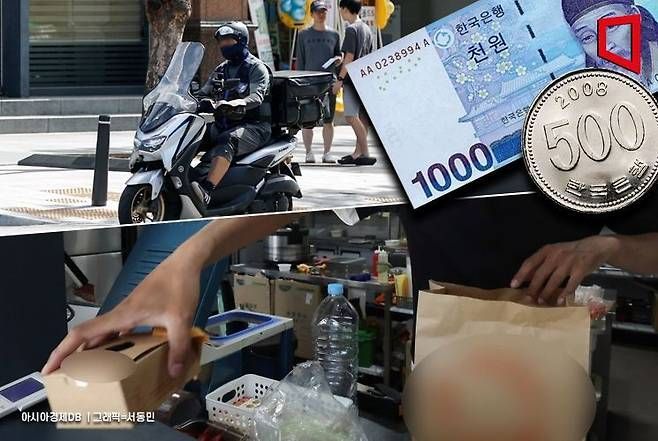
On the 15th, Judge Shin Dong-il of the Chuncheon District Court Criminal Division 1 announced that he sentenced A (23) to six months in prison on charges including fraud. In June 2023, A ordered a pizza using a delivery app from his residence in Wonju, saying, "I'm really sorry, but I'm very hungry and tomorrow is payday, so I will transfer the money tomorrow." However, A was off work at the time and was unable to pay for the food.
A used this method to order various foods from other restaurants and did not repay the money. In July of the same year, he ordered items such as jjolmyeon and pork cutlet, deceiving by saying "I will transfer the money tomorrow," but did not pay. In addition, A is also charged with violating the Electronic Financial Transactions Act and the Telecommunications Business Act by providing his internet bank password and authentication number in exchange for money, and by opening a mobile phone SIM card after B proposed, "If you activate the mobile phone SIM card, I will pay you 500,000 won," then transferring it to another person.
Judge Shin stated, "Considering the serious nature of the crimes, including fraud against restaurants and the transfer of access media (SIM cards) used for organized fraud, the lack of settlement with the victims, and the defendant's acknowledgment of his wrongdoing, the sentence was determined."
However, he explained that the sentence was set considering fairness with a previous case in June last year where A was sentenced to 1 year and 10 months in prison for a fatal traffic accident under the Special Act on the Treatment of Traffic Accidents.
Meanwhile, dine-and-dash is punishable by a fine, detention, or penalty not exceeding 100,000 won under Article 3 of the Minor Offenses Act. If the amount of damage is large or if there is habitual or intentional behavior, it can be charged as fraud.
© The Asia Business Daily(www.asiae.co.kr). All rights reserved.












