On Valentine's Day, it is common to gift not only chocolates but also trendy desserts.
Among the MZ generation, tanghulu, Dubai chocolate, and yogurt ice cream have gained popularity, and recently, chewy cookies characterized by their chewy and elastic texture have become very popular.
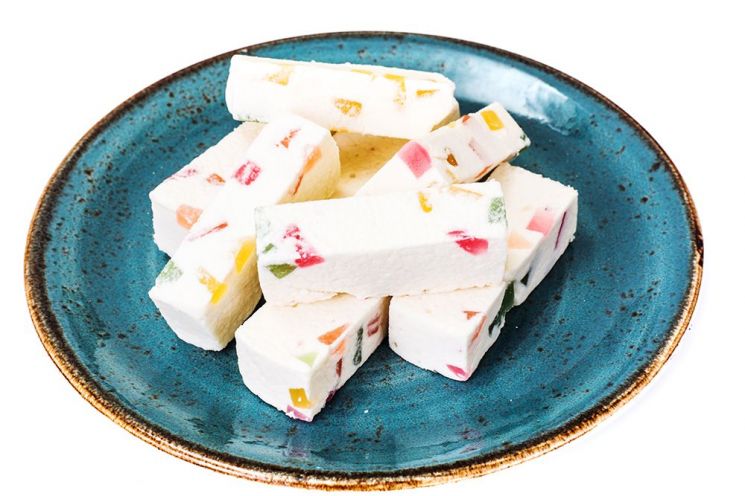
Generally, cookies have a dry texture and are crispy, with a rough texture felt when chewing depending on the filling ingredients such as chocolate chips or nuts. In contrast, chewy cookies feel soft and elastic, with a moist and tender interior, attracting the interest of the MZ generation with a charm different from traditional cookies.
However, due to the unique chewy texture of chewy cookies, they can negatively affect dental health, so some caution is needed when consuming them.
Chewy cookies are mainly composed of sugar as they are based on marshmallows. When sugar enters the oral cavity, it becomes food for bacteria, which naturally produce acid. This acid can erode tooth enamel and cause cavities. Frequent sugar intake continuously exposes teeth to acid, leading to demineralization, tooth discoloration, or sensitivity, causing discomfort when eating cold or hot foods.
Additionally, as bacteria feed on sugar and multiply, they can cause gum inflammation, leading to swollen or bleeding gums and bad breath.
The chewy texture characteristic of chewy cookies makes food easily stick to the tooth surface or get trapped between teeth, and it is often difficult to remove properly even with brushing or flossing. If oral care is inadequate, plaque can accumulate, causing cavities or gum disease. The sticky texture can also exert physical pressure on teeth, so if there are existing cavities or weak teeth, teeth may break or crack, requiring caution.
Dr. Jang Ji-hyun, a dentist at Daedong Hospital, advised, “Teeth are important body resources used for a lifetime, so after consuming sweet and sticky desserts like chewy cookies, thorough oral hygiene management is essential.” He added, “Especially for those with weak teeth or many prosthetics, they are more susceptible to tooth sensitivity and oral diseases, so it is better to choose desserts with less sugar and less stickiness whenever possible.”
It is best to avoid consuming foods high in sugar or sticky foods, but if consumed, immediately brushing teeth and using floss to clean between teeth thoroughly to remove any food residue is necessary. If brushing is not possible right away, rinsing the mouth with water to remove sugar from the teeth is recommended.
To prevent oral diseases and detect them early, it is advised to visit the dentist every six months for oral examinations and scaling.
© The Asia Business Daily(www.asiae.co.kr). All rights reserved.












