Kyoto City to Increase Accommodation Tax Tenfold to Around 90,000 Won
"Considering Side Effects Such as Decrease in Tourists"
With the end of the COVID-19 pandemic and a surge in foreign visitors to Japan, the number of local governments introducing or planning to introduce accommodation taxes on hotel and inn guests is rapidly increasing.
Kyoto City, considered one of Japan's representative tourist cities, has already announced plans to raise its existing accommodation tax tenfold to 10,000 yen, approximately 90,000 won.
According to a report by Yonhap News on the 9th citing the Asahi Shimbun, only nine local governments in Japan imposed accommodation taxes until 2023, but this year the number has increased to 25, including those that decided to introduce the tax in local assemblies.
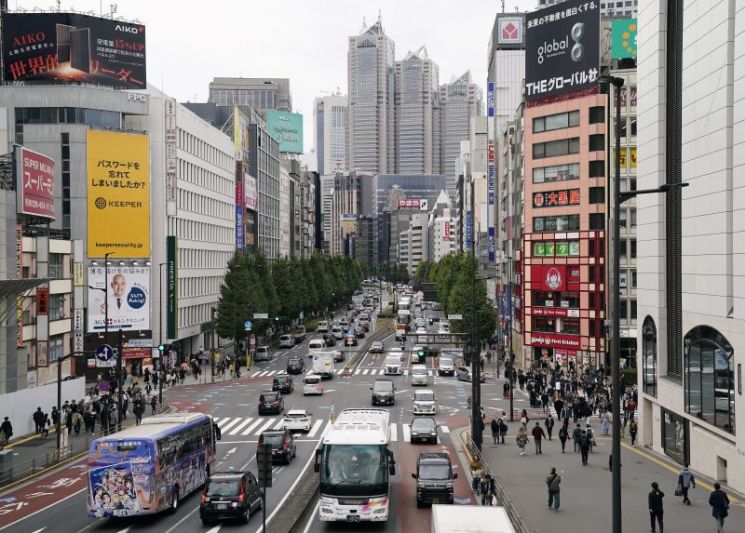
Kyoto, a major tourist destination, plans to significantly increase its current accommodation tax, which ranges from 200 to 1,000 yen (approximately 1,800 to 9,400 won). In particular, it is considering imposing an accommodation tax of up to 10,000 yen (about 94,000 won) for lodging fees exceeding 100,000 yen (about 940,000 won) per night. The goal is to implement this starting next year. As a result, travelers staying at luxury accommodations are expected to pay substantially higher accommodation taxes.
Japanese local governments explain that the revenue from accommodation taxes will be invested in expanding shuttle bus services, installing wireless LAN for tourists, producing guide maps, and other tourism infrastructure improvements. However, public sentiment toward Japanese tourist destinations remains unfavorable. For example, Miyagi Prefecture decided to introduce an accommodation tax last September, but debates over its approval continue in the prefectural assembly.
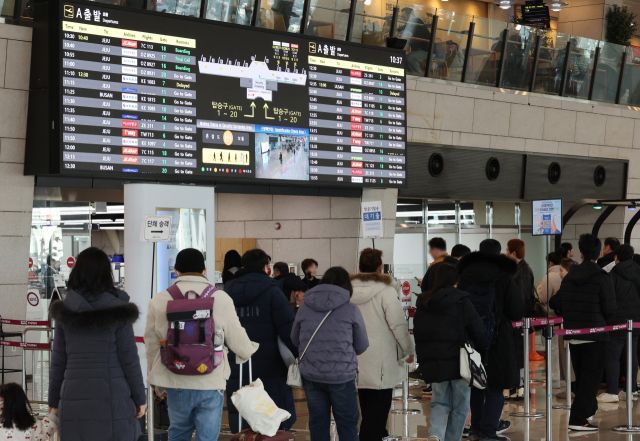 On the 26th, the first day of the Lunar New Year holiday, the international terminal at Gimpo Airport in Gangseo-gu, Seoul, is bustling with travelers. Photo by Yonhap News
The Asahi Shimbun, citing expert opinions, reported, “There are concerns that raising accommodation taxes could lead to a decrease in tourists,” and emphasized that “the purpose of introducing the accommodation tax and plans for the use of funds must be shared with residents and thoroughly reviewed.”
Meanwhile, Japan was the top travel destination chosen by travelers during the recent Lunar New Year holiday. Among 478,126 travelers departing from and arriving at Incheon International Airport over the first three days of the holiday, 159,767, or 33.4%, were bound for Japan. Despite the Korean won to US dollar exchange rate steadily hovering in the mid-1,400 won range since the end of last year, the yen remains in the low 900 won range, maintaining a high “value for money” appeal.
© The Asia Business Daily(www.asiae.co.kr). All rights reserved.