City Completes Bitgoeul Startup Station, the First Startup Support Infrastructure
35 Billion KRW Invested... Five-Story Building as the Initial Facility
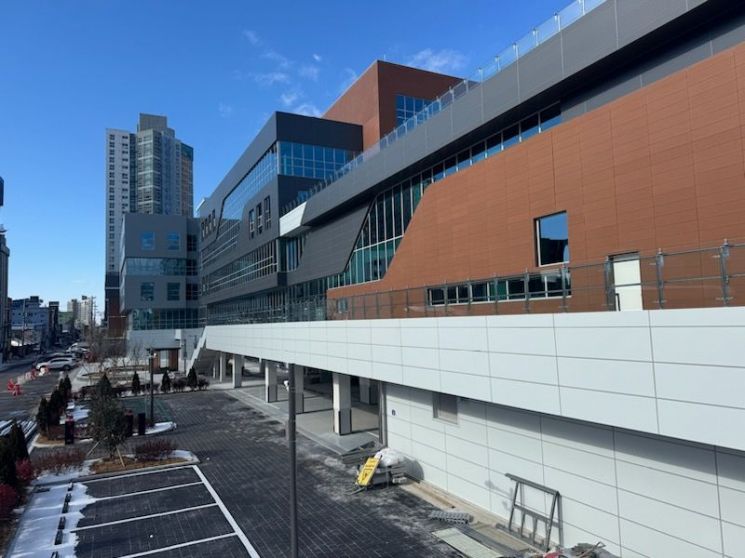
The Bitgoeul Startup Station, an early-stage startup support facility and the first project of the Gwangju Station Startup Valley?the largest of its kind in the Honam region?has been completed and unveiled. This is expected to not only improve the local startup infrastructure and revitalize the declining old downtown area, but also serve as a stepping stone for Gwangju to become an "Opportunity City with a High Startup Success Rate," the vision of Gwangju's 8th popularly elected administration.
According to Gwangju City on the 3rd, the Bitgoeul Startup Station (STA·G, hereafter referred to as "Stage"), the first infrastructure of the Gwangju Station Startup Valley, was completed in December last year, and applications for resident companies are being accepted until the 14th.
The "Gwangju Station Startup Valley Development Project" is an urban regeneration initiative aimed at reviving the declining downtown by establishing a high-impact startup support infrastructure and improving social and economic infrastructure on idle land at Gwangju Station.
In 2018, the "Gwangju Station Economic Base Urban Regeneration New Deal Project" was selected in a public contest by the Ministry of Land, Infrastructure and Transport, and has since been promoted. The Stage construction project, as part of the ministry's New Deal, was completed in December last year with a total project cost of 35 billion KRW, resulting in a five-story building (total floor area of 8,950㎡).
Startups moving into the Stage will be eligible for dedicated fund support and can participate in regular monthly investment IR and VC meetups. They will also have access to global expansion programs, open innovation for developing technology investment collaboration models, and acceleration programs.
The city is recruiting a total of 42 entities?including 40 startups and 2 support organizations?to move into the Stage by the 14th. Startups must have less than 7 years of business history (10 years for new technology startups) and a record of investment.
Support organizations must possess specialized personnel and collaborative networks for startup support, while VCs and ACs are required to have investment support professionals and direct or indirect investment attraction capabilities. Business support organizations should have specialized capabilities to resolve management and technical challenges for startups, such as financing, patents, and legal matters.
The residency period for startups is two years from the move-in date, with annual extensions possible for up to five years. Support organizations can stay for one year from the start date, with the option of annual extensions.
Joo Jaehui, Director of Economic and Startup Affairs, said, "The Stage is a platform where startups can realize their big dreams and symbolizes hope for successful settlement and global growth in Gwangju. Moving forward, we will nurture the Stage as a glocal innovation startup hub and spare no effort in supporting the emergence of unicorn companies representing the region."
© The Asia Business Daily(www.asiae.co.kr). All rights reserved.












