After Over 30 Years of Service Following the Civil Service Exam, Only Then Can One Reach Seoul City's Grade 1 Executive Positions
While Chauffeured Vehicles for Executives Have Been Eliminated, Most Grade 3 Deputy District Mayors in Autonomous Districts Face Allegations of Preferential Treatment for Chauffeured Commutes
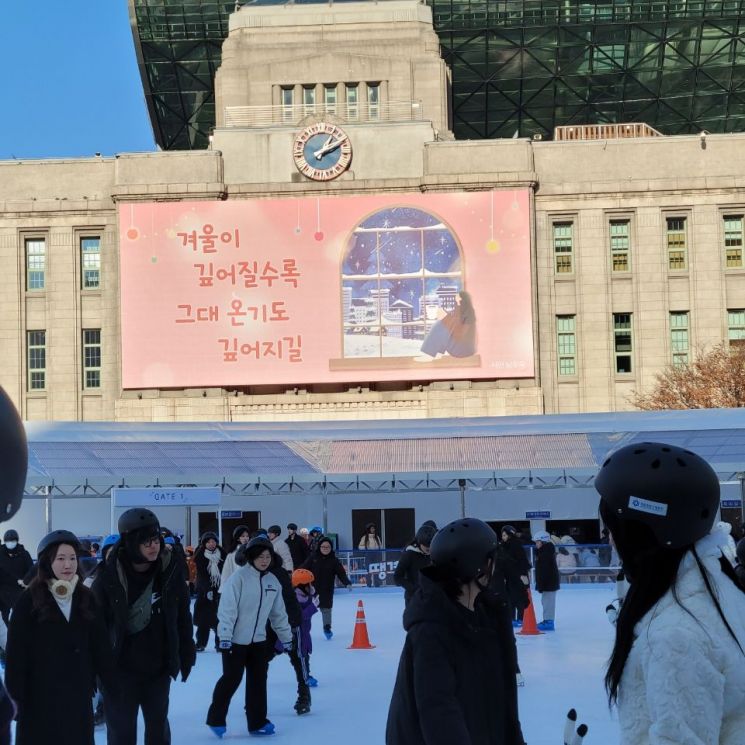
Senior officials who effectively run Seoul City by assisting the mayor?such as the Chief of Staff, Director of Welfare, Director of Economic Affairs, and Director of Welfare?do not have vehicles with drivers. In contrast, deputy district mayors of Seoul's autonomous districts, most of whom are grade 3 officials, commute in cars with drivers, raising concerns about preferential treatment.
Seoul City’s annual budget reaches 50 trillion won. It is widely accepted that the workload of Seoul’s executives is heavier than that of any other government department, befitting its designation as a Special City. In the past, only those who ranked high in the civil service exam were assigned to Seoul City, making working there highly competitive. However, the treatment they receive is reportedly not commensurate with this status.
Below Mayor Oh Se-hoon and two vice mayors at the deputy minister level, Kim Tae-gyun and Kim Seong-bo, are grade 1 officials: Chief of Staff Jeong Sang-hoon, Director of Welfare Yoon Jong-jang, Director of Economic Affairs Joo Yong-tae, and Director of Transportation Yeo Jang-kwon. Reaching these senior positions requires passing the civil service exam and enduring about 30 years of hardship.
However, their privileges are known to be relatively limited. While drivers are assigned for business trips, there are no drivers for their daily commutes. A Seoul City official pointed out, "It is problematic that grade 1 executives of Seoul City do not have assigned drivers and vehicles for commuting."
On the other hand, deputy district mayors of Seoul’s 25 autonomous districts are provided with vehicles and drivers for their commutes.
Deputy district mayors enjoy favorable working conditions, often serving long terms when they work well with the district mayor. They wield significant influence as the second most authoritative figure after the district mayor, who holds personnel authority over approximately 1,300 to 1,500 employees. As a result, many officials conclude their careers as deputy district mayors. Especially for those who did not pass the civil service exam, the deputy district mayor position is highly sought after as the highest office.
Civil service exam passers such as Choi Hong-yeon, Deputy Mayor of Songpa District; Jeong Heon-jae, Deputy Mayor of Gangseo District; Shin Jong-woo, Deputy Mayor of Nowon District; Kim Jin-man, Deputy Mayor of Gangnam District; Kim Jae-yong, Deputy Mayor of Eunpyeong District; and Lee Young-gi, Deputy Mayor of Gwanak District, have the privilege of serving as deputy district mayor twice. Additionally, Lee In-geun, an environmental official and Deputy Mayor of Geumcheon District, has served twice as deputy district mayor, previously in Dongdaemun District.
An executive from a Seoul autonomous district said, “While directors working in Seoul City face extremely high workloads, deputy district mayors enjoy relatively advantageous benefits.” Because of this, if a deputy district mayor loses the trust of the district mayor, they sometimes endure the humiliation of stepping down shortly before their term ends.
© The Asia Business Daily(www.asiae.co.kr). All rights reserved.











