Arctic Cold Wave Hits Taiwan
Cumulative Flu Deaths Reach 91
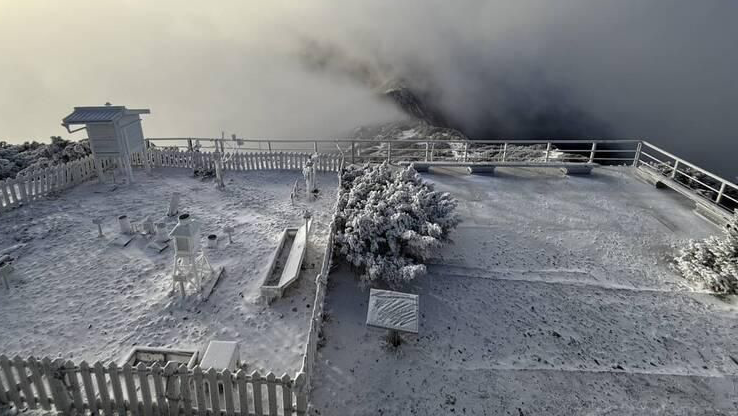
As the cold wave caused numerous deaths, the Central Weather Bureau (CWA) of Taiwan issued a low temperature advisory around 10:31 AM on the 12th, warning of low temperatures from that evening until the early morning of the next day. They urged caution regarding respiratory and cardiovascular diseases caused by the cold, especially for the elderly and vulnerable groups. They also reported that the temperature at Yushan (玉山), Taiwan's highest mountain at 3,952 meters above sea level, dropped to minus 8.2 degrees Celsius in the early morning of the 12th. The average temperature in Taipei, Taiwan in January is around 20 degrees Celsius. Taiwan, located along the Tropic of Cancer, experiences hot and humid summers and cold, dry winters. Because of this, residential buildings do not have heating systems like ondol (underfloor heating).
Earlier, on the 7th, the Taiwan Centers for Disease Control (CDC) announced that the number of patients visiting due to seasonal influenza (flu) from December 29 to January 4 was 127,357. They added that this was a 14.9% increase compared to the previous week and explained that the currently circulating flu virus in Taiwan is type A(H1N1).
They also reported that the cumulative death toll from this flu reached 91, the highest for this period in about the past 10 years.
The National Taiwan University Hospital requested special caution, stating that people with cardiovascular diseases or related risk factors, especially the elderly, are prone to cardiovascular emergencies early in the morning. The hospital added, "Not only those over 60 but also people in their 40s and 50s should be careful," and explained, "People in their 40s and 50s often do not recognize risk factors such as hypertension, hyperlipidemia, and hyperglycemia until an acute reaction occurs due to a sudden drop in body temperature."
Meanwhile, in South Korea, following the recent flu epidemic, deaths related to pneumonia have surged, resulting in numerous fatalities. Among these, there has been an increase in cases where families wait at funeral homes before holding funerals or extend funerals by a day due to difficulties in booking crematoriums. On the 13th, Yonhap News reported that due to the sudden increase in funeral demand, mortuaries are sometimes set up late, and many bereaved families extend funerals by a day because of crematorium reservation issues.
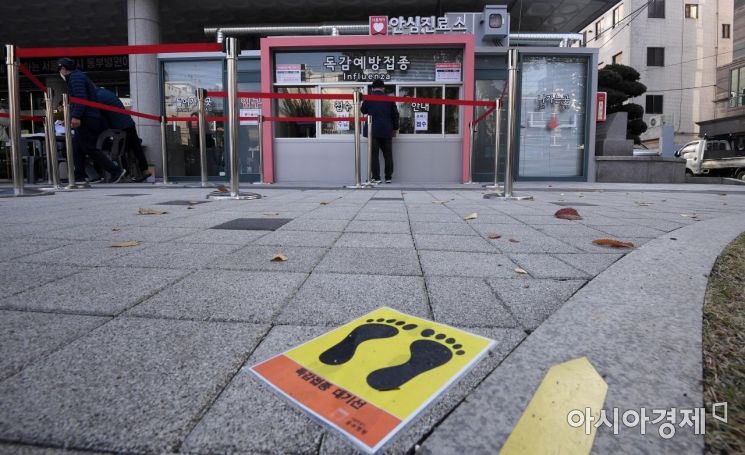 According to statistics from the Korea Disease Control and Prevention Agency, in the last week of 2024 (December 22?28), the influenza-like illness (ILI) rate among 1,000 outpatients visiting 300 nationwide influenza sentinel surveillance medical institutions was 73.9. This is the highest level in eight years since 2016, when it was 86.2 at the peak of the epidemic. Photo by Hyunmin Kim
The funeral industry stated that since the end of December last year, there has been a sharp increase in deceased individuals diagnosed with pneumonia as the cause of death, pointing to the flu that began spreading around that time as the background. A funeral home official said, "Although it is a season with many respiratory disease patients, the number of deceased with pneumonia as the cause of death seems to have increased sharply compared to other years," adding, "I have been in this business for 10 years, but except during the COVID-19 pandemic, this is the first time there have been so many cases requiring extended funerals." According to statistics from the Korea Disease Control and Prevention Agency, in the last week of 2024 (December 22?28), the influenza-like illness (ILI) rate, which indicates the number of suspected flu patients showing flu symptoms among 1,000 outpatients visiting 300 influenza sentinel surveillance medical institutions nationwide, was 73.9. Compared to the peak of the epidemic, this is the highest level in eight years since 2016, when it was 86.2.
© The Asia Business Daily(www.asiae.co.kr). All rights reserved.