Price of Attacks on Israeli Mainland
US and EU Announce Additional Sanctions on Iran
Iranian Oil Sanctions Bill Gains Momentum in US Congress
Oil Prices, After Brief Pause, May Spike Again?Watch Closely
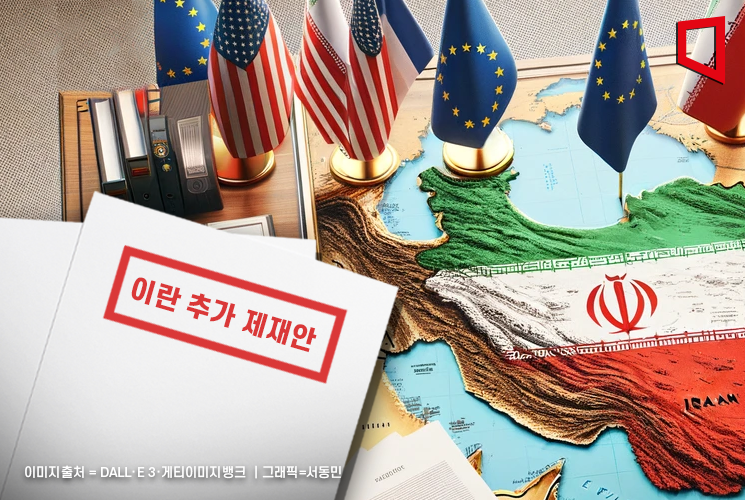
The United States and the European Union (EU) have emphasized that they will soon introduce additional sanctions against Iran for its airstrikes on Israel. If additional sanctions on Iranian oil are implemented, it could become a factor putting upward pressure on oil prices. In particular, the U.S. Congress appears to be accelerating the passage of legislation related to sanctions on Iranian oil following Iran's attack on mainland Israel.
U.S. to Adopt Additional Iran Sanctions Within Days
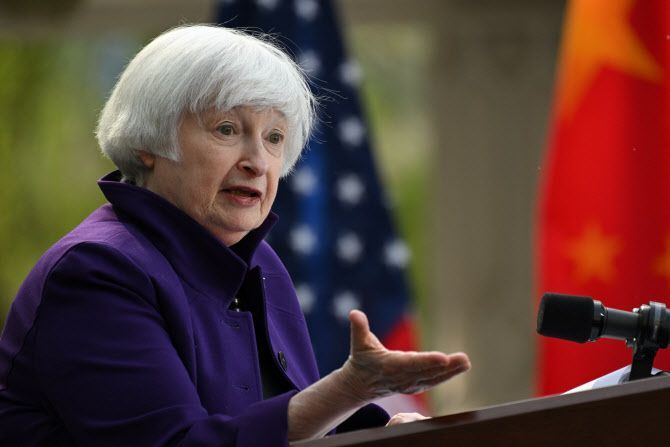
According to foreign media including The New York Times (NYT) on the 16th (local time), Janet Yellen, U.S. Treasury Secretary, stated at the International Monetary Fund (IMF) Spring Meetings that "the United States expects to adopt additional sanctions against Iran within days."
The Biden administration is discussing two main sanction measures against Iran. One is further restricting Iran's oil exports. The other is blocking access to parts needed to manufacture military equipment such as drones. The U.S. is also discussing sanction measures to block the supply of military parts with the Group of Seven (G7: U.S., Japan, U.K., Germany, France, Italy, Canada) and plans to seek assistance from unfriendly countries like China to prevent the spread of tensions in the Middle East.
Jake Sullivan, White House National Security Advisor, emphasized, "We will not hesitate to coordinate with global allies, partners, and Congress to sanction the Iranian government for its malicious destabilizing actions."
Since Hamas, a Palestinian armed faction, attacked Israel on October 7 last year, the U.S. has implemented over 100 sanctions against Iran to weaken terrorist organizations indirectly supported by Iran and Iran’s ballistic missile procurement networks.
EU Expands Iran Arms Sanctions
The EU also indicated an expansion of arms sanctions against Iran. Josep Borrell, EU High Representative for Foreign Affairs and Security Policy, held an emergency video conference with foreign ministers of the 27 EU countries and said, "Additional sanctions against Iran are inevitable to prevent escalation in the Middle East," and that the EU is considering expanding sanctions on Iran’s weapons programs.
The EU has already imposed sanctions on Iran for supplying drones to Russia, which is invading Ukraine. Additional sanctions could target the supply of weapons to proxy militias in the Middle East, such as in Lebanon, Yemen, and Iraq. However, unlike the U.S., the EU appears cautious about blocking access to parts needed for drone manufacturing in Iran.
Some voices, as reported by the NYT, express uncertainty about whether additional sanctions on Iran will serve as an effective deterrent, citing Iran’s decades-long efforts to evade Western sanctions.
Could Iran Sanctions Trigger Oil Price Surge?
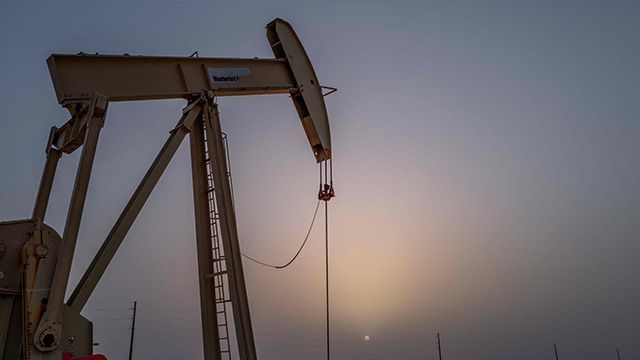
Depending on the severity of sanctions imposed by major countries like the U.S. and EU, international oil prices could rise. After Iran’s first mainland attack on Israel, the possibility of a full-scale war has eased, and on that day, the global benchmark Brent crude for June delivery traded slightly down at $90 per barrel.
In the U.S. Congress, the passage of legislation related to sanctions on Iranian oil is gaining momentum following Iran’s attack on Israel. The Senate passed the “Iran Oil Reserve Prohibition Act (S.1829),” which sanctions importers and entities dealing with Iranian oil. The House of Representatives approved a separate bill on the 15th that imposes comprehensive sanctions on Chinese financial institutions and Iranian banks involved in transactions of Iranian oil and petroleum products.
Energy consulting firm ClearView Energy Partners stated, "If these related sanctions are approved by Congress and implemented, international oil prices could rise by an additional $8.40 per barrel." They added, "Although international oil prices are already on the rise, and politicians might consider delaying the bill, if tensions in the Middle East continue, it may be difficult to withdraw Iran sanctions."
© The Asia Business Daily(www.asiae.co.kr). All rights reserved.


















