Identified Causes of Real Wage Decline and Yen Weakness
Small and Medium Enterprises Face Worsening Labor Shortages and Bankruptcy Risks
Despite achieving a record wage increase in last month's Shunto (spring wage negotiations), Japan is experiencing a growing outflow of young workers overseas, Bloomberg reported on the 13th (local time). The causes are identified as a record decline in real wages and the weak yen.
According to the report, in the 2023 fiscal year (July 2022 to June 2023), the number of Japanese nationals who obtained working holiday visas in Australia reached approximately 14,398, marking the highest level since 2001. Last year, the number of Japanese who received working holiday visas in Canada and New Zealand also surpassed 10,000. Most of these individuals are young workers aged between 18 and 30.
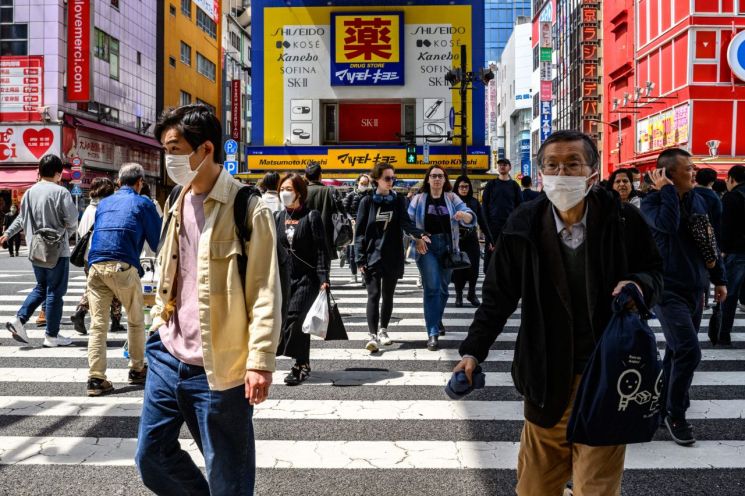
 Despite Japan achieving record wage increases in last month's Chuntu (spring wage negotiations), the number of young workers moving overseas is increasing.
 [Image source=Getty Images]
The outflow of Japan's workforce is not limited to working holidays. According to data released by the Japanese Ministry of Foreign Affairs, the number of Japanese nationals who acquired permanent residency overseas last year was 574,727, the largest figure since the survey began in 1989. Harumi Taguchi, Chief Economist at S&P Global Market Intelligence, warned, "More Japanese are flying abroad to find jobs," adding, "If this trend continues, it may become even more difficult to hire young employees in Japan."
The primary cause of this phenomenon is attributed to the severe wage gap. According to data from the Organisation for Economic Co-operation and Development (OECD), Japan's average annual salary in 2022 was $41,509, significantly trailing behind Australia ($59,408) and the United States ($77,463). Moreover, while the average salaries in Australia, Canada, the UK, and the US have increased approximately 2.5 times over the past 30 years, Japan's average salary has only risen by 1.01 times.
Although a record wage increase rate of 5.24% was agreed upon in last month's Shunto (spring wage negotiations), it is expected to take time to reverse the downward trend in real wages adjusted for inflation. In February, Japan's real wages decreased by 1.3% compared to the same month the previous year, marking the 23rd consecutive month of decline, and real wages in 2023 also fell by 2.5% year-on-year, reaching the lowest level in 33 years.
Atsushi Takeda, Chief Economist at the Itochu Research Institute, explained, "While other countries have been raising wages, Japan's wages have not increased at all for 20 years," adding, "The weak yen has further widened the gap." Yuya Kikawa, an economist at the Meiji Yasuda Research Institute, diagnosed, "Young people are questioning Japan's economic outlook," and "Their living conditions are much more difficult than what the headline inflation figures imply."
Japan's labor shortage, exacerbated by an aging population, is also expected to worsen. According to a survey by the Japan Chamber of Commerce and Industry last year, more than two-thirds of Japanese small and medium-sized enterprises reported facing labor shortages, and a report by Teikoku Databank indicated that the number of bankruptcies due to labor shortages in Japan reached a record high last year.
To address the chronic labor shortage, Japan is actively attracting foreign workers. According to statistics released last month by the Japanese Ministry of Health, Labour and Welfare, the number of foreign workers in Japan last year reached 2.04 million, a 12.4% increase compared to 2022. Japan plans to introduce a "new foreign worker system" within next year to relax job change restrictions for foreign workers who possess a certain level of Japanese language proficiency and skills.
© The Asia Business Daily(www.asiae.co.kr). All rights reserved.












