Institute for Basic Science, Genetic Analysis of Domestic H5N1 Virus in 2021
Virus Mutation Proves Increased Human Infection Potential
It has been confirmed that the avian influenza virus that occurred domestically has the potential to infect mammals and humans. Although there have been no domestic cases of avian influenza human infection yet, meticulous response is required as cases are increasing overseas, including in neighboring China.
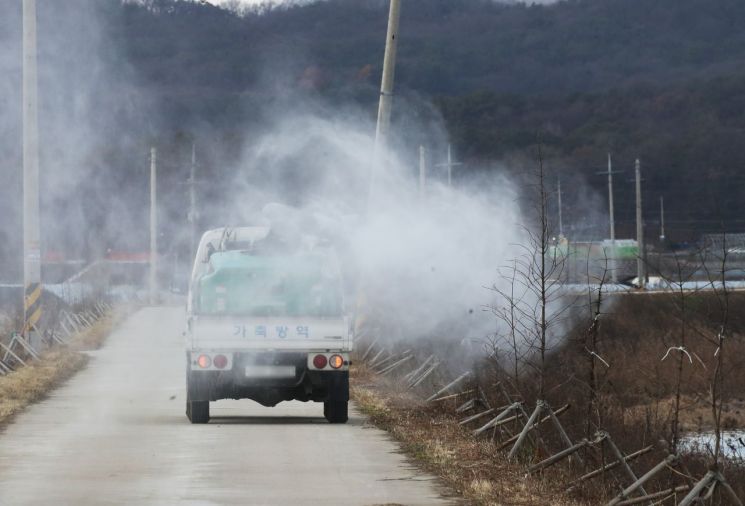
The Institute for Basic Science (IBS, Director Noh Do-young) announced on the 31st that the research team led by Center Director Choi Young-ki at the Center for Emerging Virus Research, Korea Virus Institute, proved that the H5N1 highly pathogenic avian influenza virus that occurred in Korea in 2021 has increased pathogenicity and a higher possibility of mammalian infection due to mutations.
The IBS researchers analyzed the genes of the H5N1 highly pathogenic avian influenza virus that occurred domestically in 2021 and discovered mutations in the antigenic spike (hemagglutinin), which is the part of the virus that binds to host cell receptors.
The research team created recombinant viruses substituting only the amino acids in the mutated region to evaluate the impact of the mutation in cells and animals. The mutated virus showed enhanced binding affinity not only to avian receptors but also to mammalian receptors.
To assess the possibility of human infection, the researchers infected human-derived bronchial epithelial cell organoids with the virus and analyzed the results. The mutated virus exhibited infection patterns and proliferation similar to those of human-derived influenza, indicating that the mutation increased the potential for human infection.
Center Director Choi Young-ki, who led the study, stated, “Due to specific amino acid substitutions (mutations) in the receptors of highly pathogenic avian influenza viruses, the virus can change to one that enhances the possibility of mammalian and human infection. We have identified through experiments and large-scale genomic data analysis that such mutations are gradually increasing in the Asian region.” He added, “We expect this to contribute to the development of diagnostic methods that can rapidly and accurately detect these viruses and to vaccine development research to prepare for human infection.”
The research results were published online on January 8 in the international journal Emerging Microbes & Infections (IF 13.2).
© The Asia Business Daily(www.asiae.co.kr). All rights reserved.












