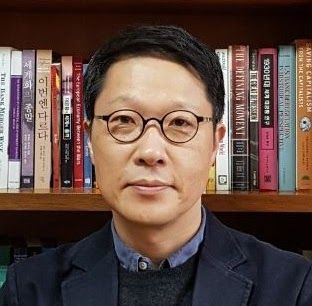
Professor Lee Cheol-hee, Department of Economics, Seoul National University
As the aging population increases medical demand, there are calls to significantly increase the number of doctors. It has been pointed out that measures should be considered to maintain at least minimal medical infrastructure in medically vulnerable areas where the population is declining.
Professor Lee Cheol-hee of the Department of Economics at Seoul National University is scheduled to present these points during a lecture titled "Crisis Factors in the Korean Economy Caused by Population Changes" at the 2024 Joint Economics Conference hosted by the Korean Economic Association on the 1st at Seoul National University.
Professor Lee forecasted, "From the late 2020s, the number of doctors will begin to stagnate due to an increase in retiring physicians, and as medical demand rises with population aging, the scale of the medical workforce will start to become insufficient."
He emphasized, "To maintain the current workload per doctor, it will be necessary to increase medical school quotas in the near future and add more than 22,000 doctors by around 2050. Additionally, measures are needed to alleviate the expected supply-demand imbalances by specialty caused by demographic changes."
He predicted that demand for doctors will rise sharply in specialties such as neurology and neurosurgery, surgery and thoracic surgery. Furthermore, he added, "In regions where the population is rapidly declining, hospitals and medical personnel will decrease due to insufficient minimum demand. We must explore ways to maintain at least minimal medical infrastructure in these vulnerable areas."
Professor Lee also pointed out other issues arising from population changes, such as labor market and care supply-demand imbalances. He expressed concern that "population changes combined with industrial and technological shifts will worsen labor supply-demand imbalances across industries and occupations."
He explained that if the current rigidity in education and lack of training persist and inter-sector mobility does not increase, the mismatch between labor force characteristics and labor market needs could become severe.
Professor Lee stressed, "A flexible education system that can supply human capital responsively to labor market demand changes and a flexible labor market that enhances mobility between sectors and types are necessary."
He also projected that imbalances in the supply and demand of child and elderly care services will rapidly grow. He diagnosed that a significant shortage of care workers is expected in the future, which will lead to decreased economic activity and productivity of care recipients' families and increased costs due to health deterioration.
Additionally, he predicted that changes in population structure will cause imbalances in infrastructure and service supply between regions, worsening recent issues such as school closures, daycare center shutdowns, and pediatric clinic closures. He argued that fiscal investment at the local government level is necessary to address the deepening regional population imbalance.
© The Asia Business Daily(www.asiae.co.kr). All rights reserved.












