The Chinese and Japanese governments are reportedly coordinating to hold expert consultations early next year regarding the discharge of contaminated water from the Fukushima Daiichi Nuclear Power Plant (referred to as "treated water" by the Japanese government), according to a report by the Mainichi Shimbun on the 31st.
Experts from both countries are expected to participate in the consultations, with staff from Japan's Nuclear Regulation Authority and relevant Chinese government departments attending. The experts plan to conduct discussions through mutual visits or online meetings. Mainichi reported, "The focus is whether the two countries can narrow their differences on the safety of the marine discharge and resolve issues such as China resuming imports of Japanese seafood."
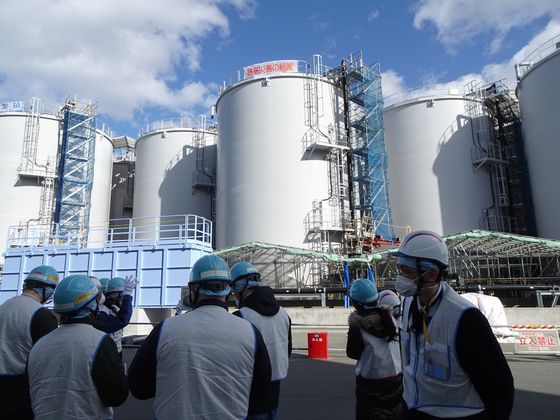
Earlier, during a summit held last month, Japanese Prime Minister Fumio Kishida and Chinese President Xi Jinping recognized their differing positions on the contaminated water discharge and agreed to start discussions involving experts. At the summit, Prime Minister Kishida requested that China immediately lift its ban on seafood imports, which was imposed as a countermeasure to the marine discharge. In response, President Xi referred to the contaminated water as "nuclear contaminated water" and emphasized the need for "appropriate treatment."
There is a significant difference in the two countries' positions regarding the discharge of contaminated water. Japan cites the comprehensive report released by the International Atomic Energy Agency (IAEA) in July, which stated that Tokyo Electric Power Company's planned discharge complies with relevant international safety standards and that the impact on humans and the environment is negligible, asserting the safety of the discharge.
On the other hand, China imposed a complete ban on imports of Japanese seafood on August 24, the day Japan began discharging the contaminated water. China has requested Japan to allow independent inspections of radioactive substances in seawater and seafood, separate from IAEA monitoring, but Japan has shown a negative stance toward this request.
© The Asia Business Daily(www.asiae.co.kr). All rights reserved.












