Medical School Quota Increased by Over 300 Students and New Medical School Established in Changwon Area
Gyeongnam Province, which has been urging the expansion of medical school quotas and the establishment of medical schools to resolve medical imbalance in the region, has now visited the Presidential Office.
Gyeongnam Province announced that following visits to the Ministry of Health and Welfare on the 19th and the National Assembly on the 25th, it visited the Presidential Office on the 31st to repeatedly request an increase in medical school quotas.
According to Gyeongnam Province, Lee Dowan, Director of the Health and Welfare Bureau, and Lee Youngil, Special Policy Advisor, appealed at the Presidential Office that expanding medical school quotas is urgently needed due to the shortage of doctors in Gyeongnam Province.
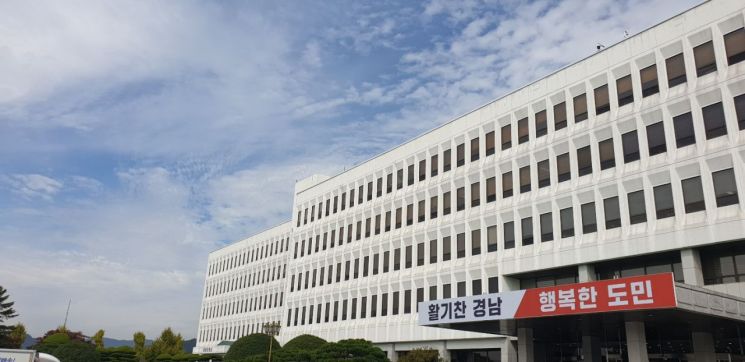
The province called for a significant increase in the medical school quotas in the Gyeongnam region, proposing an allocation of more than 300 seats.
They emphasized the need to increase the quota at Gyeongsang National University College of Medicine from the current 76 to over 200 and to establish a new medical school in Changwon Special City, a city with a population of one million, securing more than 100 seats.
They added that these figures were calculated considering the estimated demand for doctors in the province, equity compared to the national average medical school quotas, the capacity of local universities, and plans to expand public hospitals in the province.
Director Lee said, “Gyeongnam Province has relatively few medical schools and quotas, falling far short compared to other provinces’ population-based quotas, and is significantly lacking even compared to the provincial average medical school quota of 126.”
He continued, “Gyeongnam Province is pursuing measures to secure medical personnel reflecting local conditions, including the construction of four public hospitals including relocations and new buildings, operation of comprehensive emergency medical control towers and disaster safety control towers, and establishment and operation of a 24-hour pediatric emergency medical system, but there are many limitations in implementing these projects due to the absolute shortage of doctors. Fundamental problem resolution requires the expansion of medical school quotas above all else.”
The special policy advisor stated, “Since Gyeongnam ranks among the lowest nationwide in overall indicators related to medical personnel, expanding medical school quotas should be the top priority and be done extensively. We will actively promote the justification and necessity of improving Gyeongnam’s medical conditions to the Presidential Office, government, and National Assembly going forward.”
Currently, the number of doctors per 100,000 people in Gyeongnam Province is 174.2, ranking 12th nationwide, which is significantly below the national average of 218.4. The number of active doctors in the province, 5,716, is also less than the national average of about 7,000.
The avoidance of essential medical specialties such as pediatrics, obstetrics and gynecology, and emergency medicine is worsening, resulting in the number of essential medical specialists per 100,000 people being lower than the national average.
The medical school quota is also low, with only one school admitting 76 students compared to 40 schools nationwide admitting 3,058 students, amounting to just 2.3 students per 100,000 people, which is 39% of the national average of 5.9.
© The Asia Business Daily(www.asiae.co.kr). All rights reserved.











