BOJ Monetary Policy Announcement on 31st
Strong Expectations for YCC Policy Revision
Interest Rate Allowance Range Expected to Adjust to 1.5%
Impact of Yen Depreciation and Long-term Interest Rate Rise
Residual Risks in Exchange Rate Fluctuations
As the Bank of Japan (BOJ), Japan's central bank, holds its monetary policy meeting on the 31st, market speculation is growing that the BOJ will make policy adjustments. The yen-dollar exchange rate has surpassed 150 yen this month, and with Japan's 10-year government bond yield approaching 1%, there is speculation that the BOJ may raise the upper limit of long-term interest rates to 1.5%.
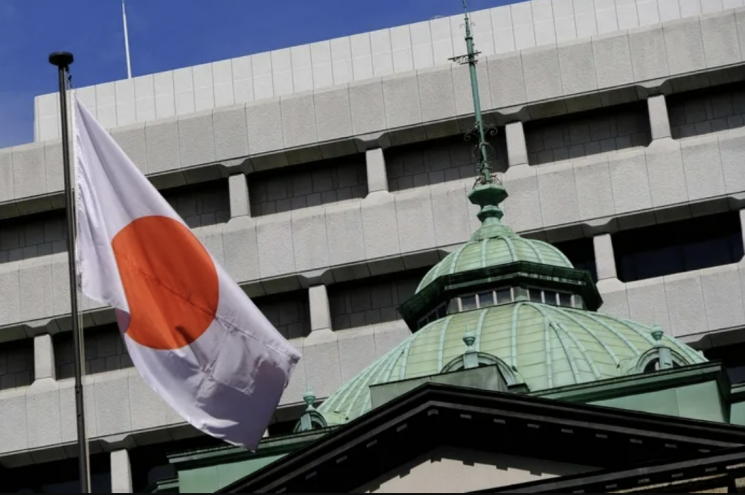
According to the Nihon Keizai Shimbun, the BOJ will discuss modifying its Yield Curve Control (YCC) policy at the policy meeting held that day. YCC is a policy that sets upper and lower limits on long-term interest rates and purchases government bonds without limit. The BOJ announced in July that it would maintain the upper limit of bond yields at 0.5%, but would tolerate interest rate increases up to 1% depending on market movements. This means that once the 10-year government bond yield exceeds 1%, the BOJ will purchase bonds without limit to prevent further rate increases.
The Nihon Keizai Shimbun reported that there is a high possibility the BOJ will consider raising this upper limit further at this meeting. It appears the BOJ has judged that unlimited bond purchases are difficult given that its holdings of Japanese government bonds have exceeded 50%.
In the market, various speculations are emerging about whether the BOJ will raise this upper limit to the maximum level. Bank of America (BofA) forecasts that the BOJ will raise the upper limit from the previous 1% to 1.5%. Bloomberg also considers the possibility of abolishing the official upper limit of 0.5%.
Three Concerns for the BOJ: Weak Yen, Long-term Interest Rates, and US Bond Purchases
The BOJ is believed to be modifying the YCC policy to dispel market anxiety caused by rising US long-term interest rates and exchange rates. The recent surge in US Treasury yields has become a headache for the BOJ.
The US 10-year Treasury yield surpassed the psychological resistance level of 4.25% in August and broke through 5% this month for the first time in 16 years. As US interest rates rise, the interest rate gap with Japan has widened. As a result, on the 26th, the yen's value against the dollar fell to 150.28 yen intraday, the lowest level in 33 years since August 1990. With the US Federal Reserve (Fed) indicating it will raise the benchmark interest rate once more this year, the BOJ cannot rule out the possibility of further yen depreciation. Excessive yen weakness leads to higher import prices, increasing the burden on households.
The rising trend in Japanese long-term government bond yields also requires a response. Japan's 10-year government bond yield closed at 0.886% on the 30th, approaching the effective upper limit of 1%. If the yield exceeds 1%, the BOJ must purchase bonds to artificially lower the rate. However, the bond holding ratio (53%) is excessively high. If the BOJ modifies the YCC, it can reduce additional fiscal burdens.
Bond Purchases and Market Intervention: Factors Affecting Future Yen Value
If the BOJ modifies the YCC policy considering these factors, long-term interest rates are likely to rise in the short term, and the yen's value may shift to strength. However, since major global financial market events such as the US monetary policy meeting will follow after the YCC modification, there is also speculation that yen volatility will increase.
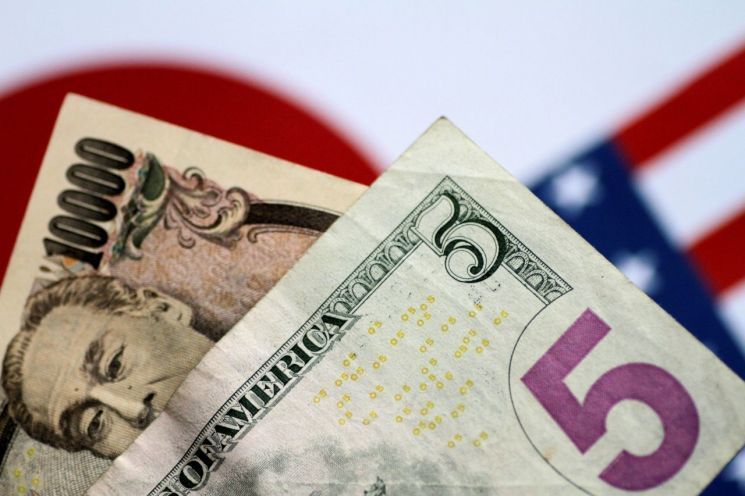
The dominant view is that the Fed will keep rates unchanged at the FOMC meeting on the 1st of next month. Although the possibility of a widening US-Japan interest rate gap is small, if Fed officials make hawkish remarks after the FOMC, the gap could widen.
The bond issuance plan, which the market is closely watching, will also be announced around the same time, and its results could negate the effects of the YCC modification. If the US issues a large amount of bonds to cover its massive fiscal deficit, bond yields could surge, widening the US-Japan interest rate gap. Consequently, the yen's value could weaken again. However, on that day, the US Treasury announced it would reduce bond issuance in the fourth quarter compared to the previous quarter. Specific issuance amounts will be announced on the 1st.
The Japanese Ministry of Finance's foreign exchange performance announcement could also impact the yen's value. After the yen-dollar exchange rate hit 150 yen on the 3rd, it sharply dropped to the 148 yen level, leading to suspicions that the BOJ intervened by purchasing yen. If the Ministry of Finance acknowledges market intervention in its announcement, market participants may interpret 150 yen as the signal point for foreign exchange market intervention. Until now, the Ministry of Finance has been ambiguous about market intervention to prevent speculative yen selling. If market participants perceive 150 yen as the intervention point, yen selling could accelerate when the exchange rate approaches that level.
The Nihon Keizai Shimbun expressed concern, saying, "Market participants have somewhat factored in the possibility of official market intervention, causing the yen's value against the dollar to rise by about 2 to 3 yen. If the authorities' exchange rate defense line is perceived as 150 yen, yen selling could intensify."
© The Asia Business Daily(www.asiae.co.kr). All rights reserved.














