Strengthened Anti-Espionage Law Effective from July
May Apply When Filming Military Facilities or Protesters
Broad and Ambiguous Scope... May Affect Businesspeople, Correspondents,
International Students, Scholars, and Korean Residents Abroad
On the 22nd, the Ministry of Foreign Affairs announced that it urges special caution for residents and travelers in China as the revised Anti-Espionage Law, which significantly expands the definition of espionage activities in China, will take effect from the 1st of next month.
The amended Anti-Espionage Law broadens the scope of punishable confidential information leakage to include "other documents, data, materials, and items related to national security and interests." Legally, even the leakage of materials not classified as secret can be punished. The definition of espionage activities has also been expanded to include "activities such as stealing, spying, purchasing, or illegally providing other documents, data, materials, or items related to national security or interests." The law’s application may be arbitrarily and ambiguously expanded.
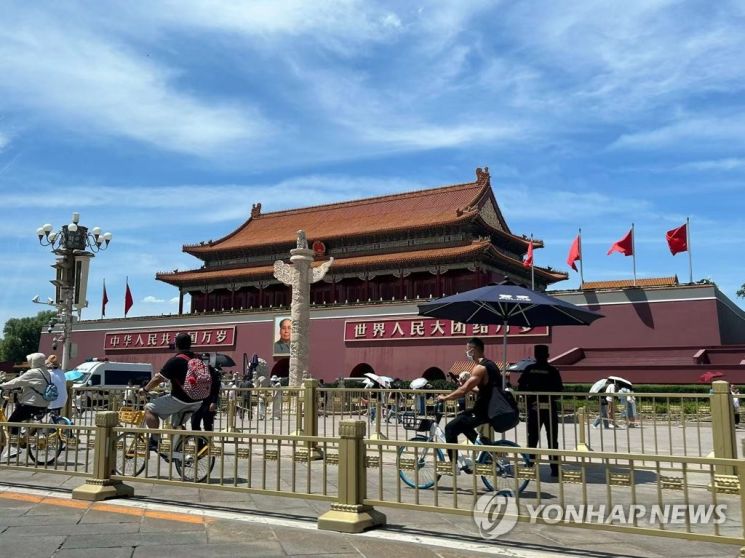
An official from the Ministry of Foreign Affairs urged on the same day, "Special caution must be exercised when taking photographs in areas related to national security or interests, such as military zones or defense industry companies in China, and visiting protest sites or photographing protesters." Activities such as acquiring specific information by consulting firms conducting market research, correspondents, or scholars in China may also fall under this. Korean churches, international students, and local Korean residents were also advised to be especially cautious.
The official stated, “Basically, travelers must comply with the host country’s regulations, but incidents can occur when encountering unfamiliar legal systems different from ours.” He added, “Recently, there was an issue when bringing gold into Japan, and in China, penalties for drug offenses or drunk driving are very severe. It is necessary to thoroughly understand these matters.”
The Ministry of Foreign Affairs plans to send multimedia messages (MMS) to travelers entering China regarding the implementation of the revised Anti-Espionage Law. The Embassy in China also plans to actively inform local businesspeople and others of related precautions through notices and briefings.
© The Asia Business Daily(www.asiae.co.kr). All rights reserved.












