Choi Jaecheon, Ewha Womans University Chair Professor, Warns of the 6th Mass Extinction
"6th Mass Extinction Larger Than Natural Disasters"
South Korea Ranked Most Dangerous Country by OECD
[Asia Economy Reporter Ryu Jeong-min] "The last mass extinction event, when the dinosaurs were wiped out, happened 65 million years ago, and now the sixth one is finally occurring..."
On the 14th, Professor Choi Jae-chun, Chair Professor of the Department of Eco-Science at Ewha Womans University, appeared on CBS Radio's 'Kim Hyun-jung's News Show' and warned that the sixth mass extinction could occur within this century. While previous mass extinctions were caused by natural disasters such as meteorite impacts or volcanic eruptions, he pointed out that the sixth mass extinction is happening quietly.
Professor Choi said, "At most, this poorly behaved, utterly spoiled mammal species born about 200,000 years ago is destroying everything now. But the concern is that this will be even larger in scale than those caused by natural disasters; the sixth mass extinction will be bigger, and that is what worries me."
The basis for Professor Choi's claim about the sixth mass extinction is food shortages. Interestingly, among the OECD countries, Japan is diagnosed to be the second most at-risk country.
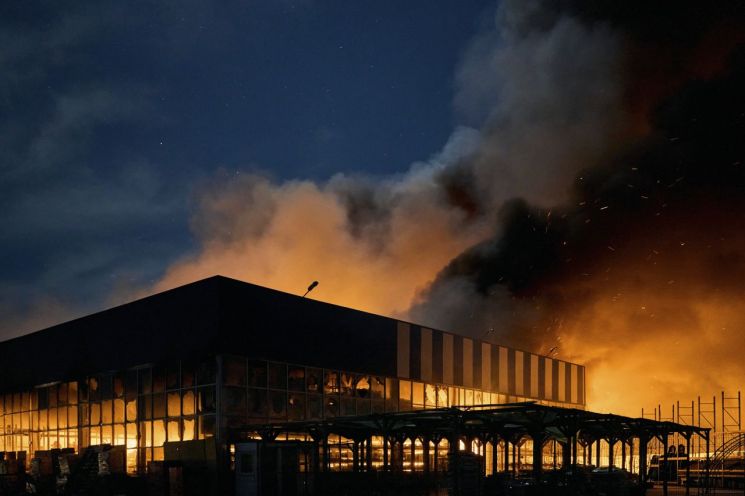
Regarding food shortages, Professor Choi said the following.
Professor Choi predicted that if food issues combine with security concerns, Japan could fall into the danger of mass extinction. The problem is that this cannot be seen as someone else's issue.
This is because South Korea was identified as an even more at-risk country than Japan.
Professor Choi forecasted, "Food will become a weapon. With it, other countries can be controlled, prices raised, and so on. We have worked very hard and become a fairly wealthy country, but if we are not careful, South Korea will be the most at risk among OECD countries of starving to death."
Professor Choi explained, "Japanese scholars say Japan's situation is somewhat better than ours. Our problem is serious. This is about food crises, strange weather, heavy rains, extreme cold, and also the frequent pandemics?all ultimately connected."
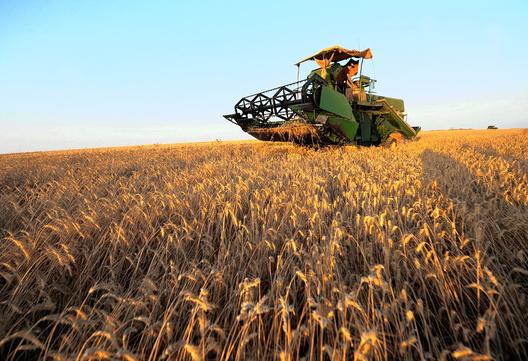
Professor Choi conveyed the reality, saying, "We have done manufacturing very well. That’s how we earned a lot of money and became a prosperous country. But in the meantime, we have almost completely gone all-in on buying food from overseas because it is much cheaper."
The reality of becoming a country dependent on imported food will ultimately hold us back, he diagnosed.
Regarding ways to prevent the terrifying future of the sixth mass extinction, Professor Choi said the following.
Professor Choi said, "Let's start doing that now. If we begin to produce research results showing that nature has the ability to recover very quickly with just a little help from us, depression can disappear."
© The Asia Business Daily(www.asiae.co.kr). All rights reserved.

![Clutching a Stolen Dior Bag, Saying "I Hate Being Poor but Real"... The Grotesque Con of a "Human Knockoff" [Slate]](https://cwcontent.asiae.co.kr/asiaresize/183/2026021902243444107_1771435474.jpg)














