Negative Effects of Outing Mode for Short-Term Absences
Increase Thermal Efficiency of Humidifiers and Air Caps
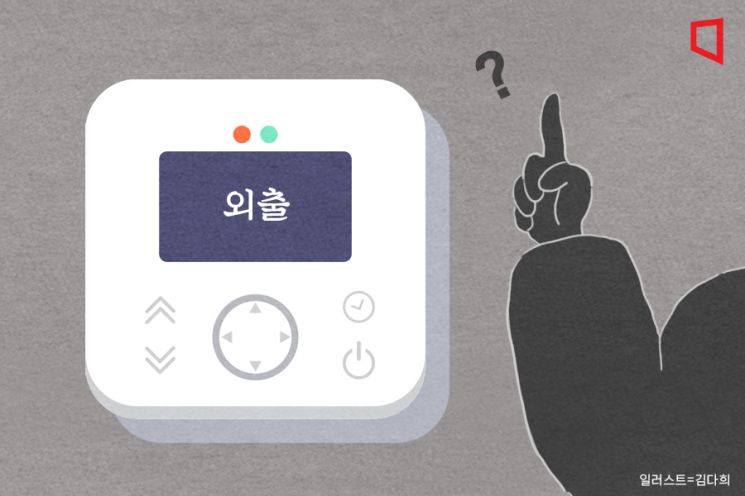
"I get scared just hearing the boiler running."
Groans of concern over heating bills are echoing across the country. Those who received their December city gas bills are shocked by the gas prices soaring much higher than in previous years.
Gas prices increased by 38.4% (city gas basis) and 37.8% (heat fee basis) over the past year. However, the actual charges recorded on the bills vary by household. Many have received bills that have more than doubled compared to the previous year.
Although the increase in gas fees is the same for everyone, heating efficiency inside the home and boiler usage methods vary greatly. So, what are the gas-saving methods to avoid a "heating bill bomb" this winter?
Whether to use Away Mode... It depends on the length of your absence
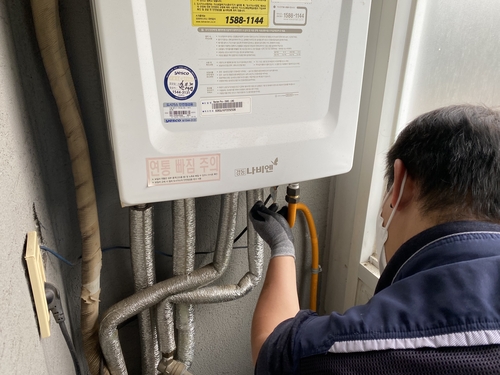 A scene of a boiler undergoing a safety inspection. The photo is not related to any specific expression in the article. Photo by Yonhap News
After gas prices rose, a claim has been shared on social media (SNS) as a heating bill saving tip: "Do not set the boiler to Away Mode." But is that really true?
The boiler Away Mode is a function that switches the boiler to minimal operation when the resident is away from home. However, the specific operation method varies depending on the boiler manufacturer.
For manufacturers in the domestic boiler market, Kyungdong Navien activates the boiler when the temperature drops below a certain level to prevent freezing, Rinnai operates heating for 10 minutes every 4 hours, and Kiturami maintains the indoor temperature at 8 degrees Celsius. Although there are differences by manufacturer, the common point is minimizing the boiler's operating time.
Away Mode is useful when you will be away from home for at least two days. It prevents the interior of the house from freezing and helps the boiler return to normal temperature relatively quickly after you come back and turn it on again.
However, turning on Away Mode for a short absence of 6 to 8 hours can actually waste gas. This is because if the temperature drops significantly for a short time and then rises again, the boiler has to operate more frequently.
Humidifiers that improve thermal efficiency
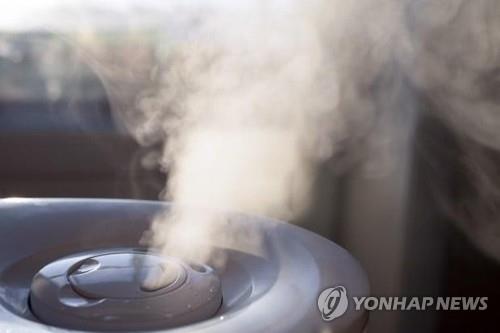
Humidifiers help improve heating efficiency and save on gas bills. Using a boiler and humidifier together can raise the perceived temperature, thereby reducing boiler usage time.
The reason humidifiers help with heating is moisture. The degree of heat transfer per unit time is called "thermal conductivity," and water has a higher thermal conductivity than air. Therefore, if the atmosphere contains a high level of moisture, you can feel warmer even with less heating operation. This is why it is recommended to actively use dehumidifiers in summer and humidifiers in winter.
Blocking cold air with air caps
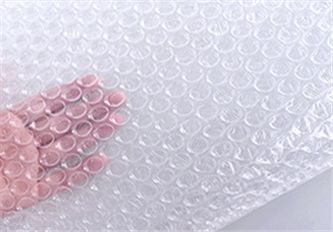 ▲Triple insulation air cap. [Photo by Asia Economy DB]
Insulation air caps, commonly nicknamed "ppokppoki," help protect indoor temperatures. Indoor temperature in winter is also influenced by the insulation performance of the house. If the insulation of exterior wall materials is poor and there are many gaps around window frames or doors, cold air quickly seeps in and lowers indoor temperature.
Air caps can be attached to window glass or window frames to prevent indoor heat loss. According to a 2021 paper titled "Evaluation of Window Insulation Performance by Types and Attachment Locations of Insulation Sheets" by Professor Ahn Young-cheol of the Department of Architectural Engineering at Pusan National University, attaching air caps to window frames showed higher efficiency than attaching them directly to the window glass.
When attached directly to the glass, two layers are more effective than one, and applying two layers thickly on the indoor side only was more effective than applying one layer each on the indoor and outdoor sides.
© The Asia Business Daily(www.asiae.co.kr). All rights reserved.














