[Asia Economy Reporter Kim Bo-kyung] The International Monetary Fund (IMF) has evaluated the Bank of Japan's (BOJ) sudden revision of its ultra-low interest rate policy as a "reasonable measure."
According to Bloomberg on the 21st, Ranil Salgado, head of the IMF's Japan mission, stated in a press release, "Given the uncertainties surrounding inflation forecasts and concerns about the functioning of the bond market, the BOJ's adjustment of the Yield Curve Control (YCC) policy is a reasonable measure."
YCC is a policy where the central bank controls government bond yields at a certain level. Until now, the BOJ has maintained the YCC policy by purchasing unlimited government bonds to keep the 10-year bond yield below 0.25%, continuing its monetary easing stance. However, it surprised the market by raising the upper limit of the 10-year bond yield to 0.5% the day before.
Salgado advised, "Communicating more clearly about the conditions for adjusting the monetary policy framework will help anchor market expectations and strengthen the credibility of the BOJ's commitment to achieving the inflation target (2%)."
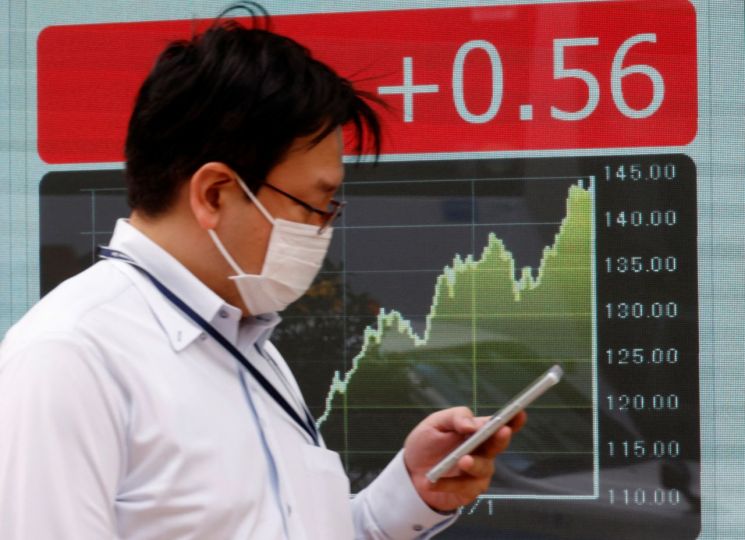
Following the policy revision, Japan's Nikkei Stock Average (Nikkei 225) plunged, Japanese government bond yields rose, and the yen strengthened against the dollar.
The BOJ stated that this measure aims to enhance the sustainability of quantitative easing, but the market interprets it as laying the groundwork for moving away from the long-standing ultra-low interest rate policy.
The BOJ still intends to guide the 10-year government bond yield around 0% and maintain short-term rates at -0.1%, but the market is watching closely for the possibility that the BOJ may raise rates itself after expanding the allowable range of rate fluctuations this time.
Naohiko Baba, Goldman Sachs' Japan economist, said, "Since the BOJ is emphasizing the need to improve the functioning of the Japanese government bond market, it seems increasingly likely that the negative interest rate policy will be abandoned."
The market also expects that the rise in the yen's value will ease Japan's import price burden. Bloomberg forecasts that Japan's energy sector, which is highly dependent on imports, will see improved supply and demand, benefiting power companies and oil distributors.
© The Asia Business Daily(www.asiae.co.kr). All rights reserved.












