[Asia Economy Sejong=Reporter Kim Hyewon] The government has newly established a dedicated task force for strengthening mid- to long-term food security and a crisis response team for the food supply chain to establish a stable food supply system.
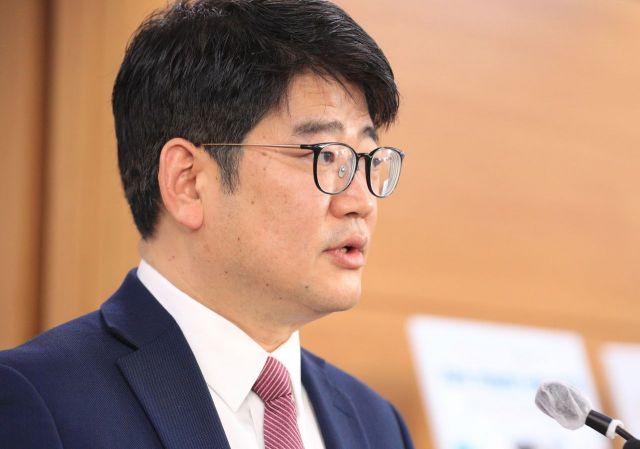
According to the Ministry of Agriculture, Food and Rural Affairs on the 26th, the two organizations, formalized at the 'International Grain Supply and Demand Countermeasures Committee' held yesterday under the chairmanship of Kwon Jaehan, Director of the Food Industry Policy Office at the Ministry, plan to review mid- to long-term response tasks and specify detailed tasks through communication with stakeholders.
Domestically, the two organizations will promote measures to increase the self-sufficiency rate of wheat and soybeans, and expand the stockpile volume of staple grains by newly installing grain-dedicated storage facilities. They will also discover tasks to foster the rice flour industry as a substitute for wheat flour.
Overseas, they will take on the role of supporting private companies in securing overseas grain distribution networks and opening paths for overseas agricultural expansion.
Participants of the supply and demand countermeasures committee on the day expressed opinions that, as uncertainties in the international grain market continue due to the prolonged Ukraine crisis and unstable crop conditions in major exporting countries such as the United States and Brazil, response measures are needed to minimize impacts such as domestic price burdens.
The Ministry of Agriculture, Food and Rural Affairs stated that it has secured inventory (including contracted volumes) for edible wheat until late October, oil-use soybeans until mid-December, and feed-use corn until mid-October, and that there have been no major disruptions in raw material supply such as major grain contracts and domestic imports so far.
In the case of India, which recently banned wheat exports, considering that its share of global wheat exports is relatively small (around 4%) and the domestic wheat stockholding situation, the short-term supply and demand impact is not significant. However, it noted that as international grain prices remain strong, there are many factors causing price increases for products such as wheat flour, feed, soybean oil, and starch syrup.
Regarding India's sugar export quota system, it was judged that the amount of sugar imported from India (500 tons) out of Korea's total sugar consumption of 1,292,000 tons accounts for 0.4% of imports and is unlikely to have a significant impact on domestic sugar supply and demand.
Director Kwon said, "We will continue to closely cooperate with the industry to monitor trends in the international grain market and work with related ministries to take necessary measures," and asked the related industries to make efforts for stable supply and demand of major grains and domestic price stabilization despite the difficult conditions due to increased cost burdens.
© The Asia Business Daily(www.asiae.co.kr). All rights reserved.












