Chilgok Songrimsa Daewoongjeon and Daegu Donghwasa Geungnakjeon·Sumajejeon
Reusing Old Components as Much as Possible Despite Main Frame Size Adjustments
"Showcasing the Diversity of Traditional Wooden Roof Frame Techniques"
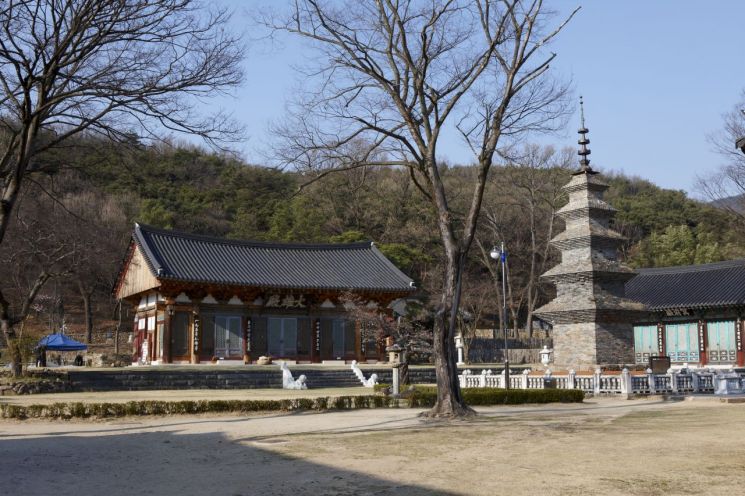
Three Buddhist halls located on the slopes of Palgongsan Mountain have been simultaneously elevated to national treasure status. These are Chilgok Songrimsa Daewoongjeon, and Daegu Donghwasa Geungnakjeon and Suma Jejeon. On the 21st, the Cultural Heritage Administration announced the designation of these three halls as treasures. They plan to cooperate with local governments and others for systematic preservation and management.
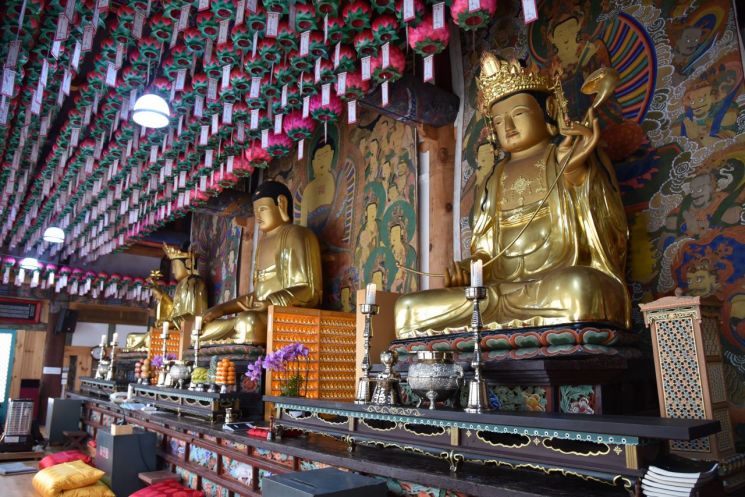
Chilgok Songrimsa Daewoongjeon is a Buddhist hall that was repaired three times after the Imjin War (1592?1598). The halls rebuilt since the 17th century mostly have a structure of three bays in the front and two bays on the sides. However, this hall maintained a structure of five bays in the front and three bays on the sides. The interior layout did not follow the contemporary trend of installing a large central altar and a rear wall to expand the worship space. Although the size of the main bays was readjusted and the exterior changed during the repair process, the use of gyo-du type bracket arms and maximum reuse of old materials preserved its historical value.
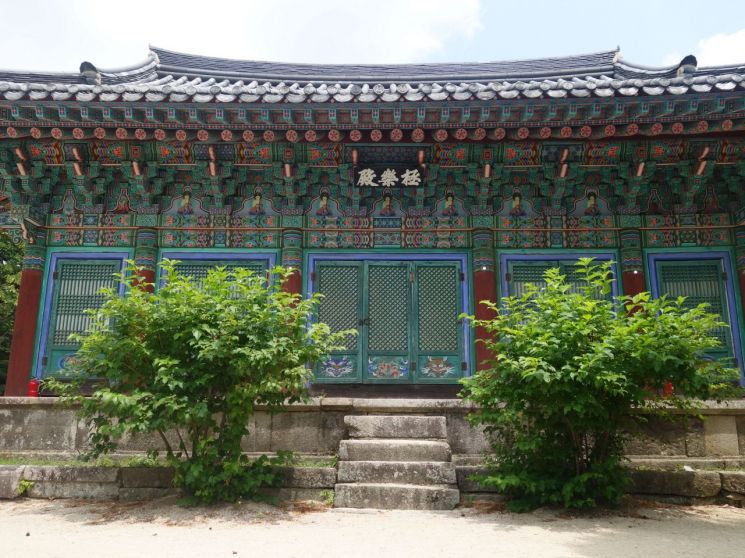
Daegu Donghwasa Geungnakjeon is a Buddhist hall rebuilt in the 33rd year of King Seonjo’s reign (1600). It is among the earlier reconstructed Joseon Buddhist halls after the Imjin War. Although styles from the Japanese colonial period can be seen in the eaves, windows, and dancheong (traditional decorative coloring), the overall structure and furnishings largely retain their original state. The Cultural Heritage Administration explained, "While preserving the original location, foundation, and base stones from the founding period (Unified Silla), a wooden structure from the early 17th century was built on top and has been passed down to the present day," adding, "Many old techniques remain, such as the floor plan with regular column spacing, the basic framework of the upper wooden furniture, and the square bricks (bangjeon) under the floorboards."
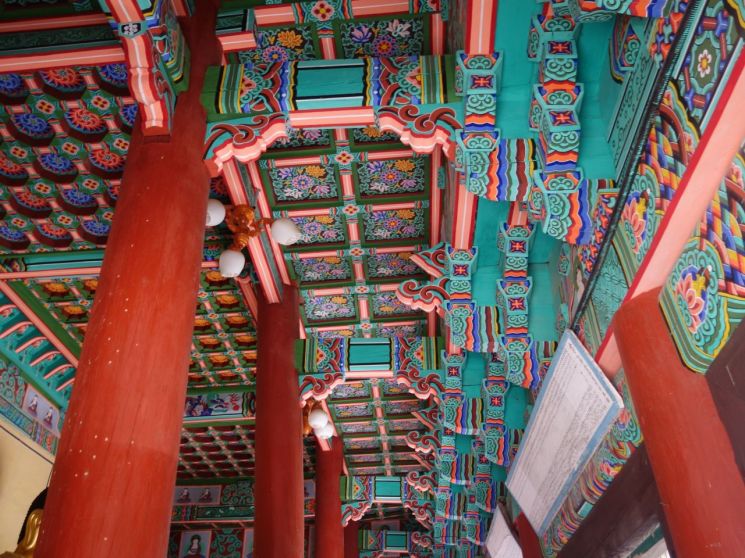
A prominent feature is the bracket arms (gongpo). They show consistent spacing through subtle adjustments in the length of the cheomcha (bracket arms). The inner and outer ends of the eaves are treated with gyo-du type brackets. At the corners where the eaves and rafters meet, byeongcheom (a bracket arm connecting the corner bracket and main bracket as a single piece) is used. The Cultural Heritage Administration stated, "This is a characteristic that appeared around Palgongsan Mountain in the 17th to 18th centuries," and "It well reflects the traits of the group of craftsmen active in this region."
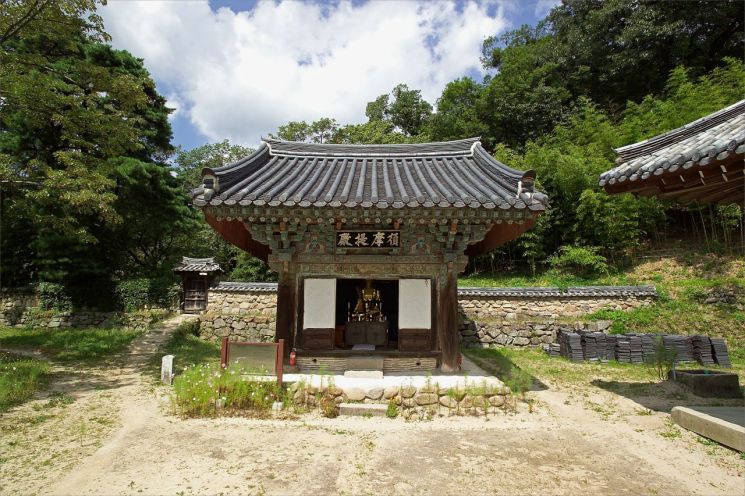
Daegu Donghwasa Suma Jejeon is the Gogeumdang (Old Golden Hall) located behind Geungnakjeon. It was built in the 11th year of King Sejong’s reign (1465) and rebuilt in the 28th year of King Sukjong’s reign (1702). It is the only building in Korea that features a single-bay dapogye (multi-bracket) style gabled roof on all four sides. It is believed that the roof shape changed when the building, originally a square plan with a dapogye paljak (hip-and-gable) roof, was dismantled and rebuilt.
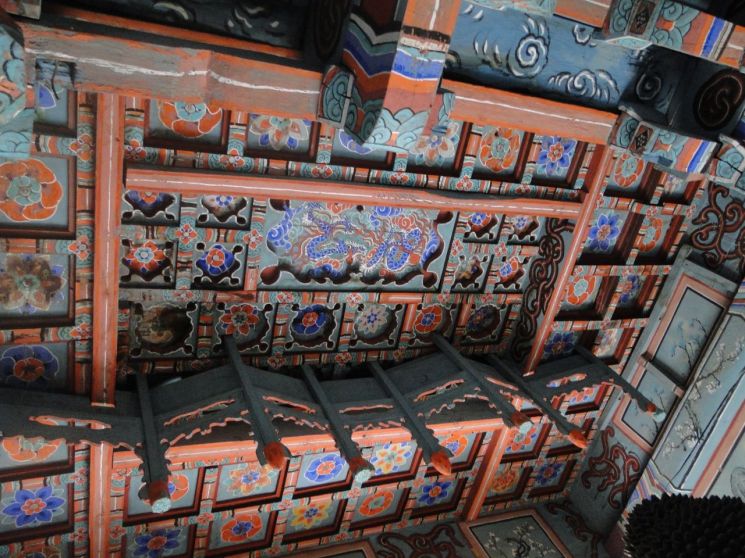
The bracket arms’ design is gyo-du type, like Geungnakjeon. The roof framework is composed of samnyangga. Although it appears to be an o-ryangga structure due to the use of a central ridge beam (jungdori), there is actually only one rafter without a central ridge beam. The Cultural Heritage Administration explained, "This is a feature not seen in other cultural properties," and "It demonstrates the diversity of traditional wooden architectural roof framing techniques."
© The Asia Business Daily(www.asiae.co.kr). All rights reserved.














