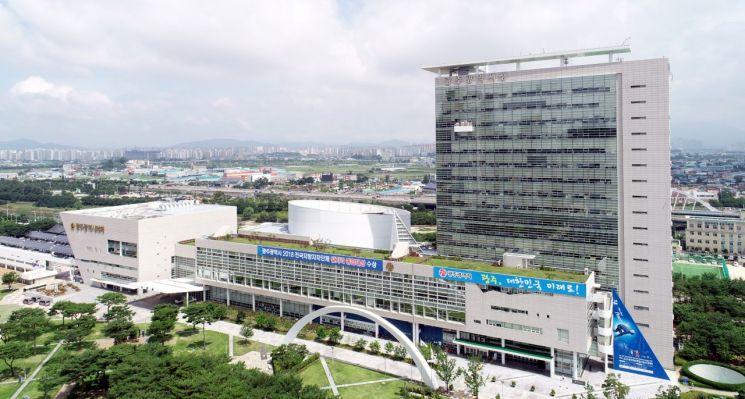
[Asia Economy Honam Reporting Headquarters Reporter Park Seon-gang] Gwangju Metropolitan City announced on the 30th that it will promote a five-year comprehensive population policy plan with the vision of "a sustainable city where all generations are happy."
Population is the most fundamental administrative unit guaranteeing Gwangju's future. Due to the current low birth rate and rapidly progressing population decline, the need for innovative and mid-to-long-term population policies has emerged, leading to the promotion of this comprehensive plan.
After completing a research project to establish a comprehensive population policy plan in May, the city identified five strategies, 25 key tasks, and 100 practical tasks tailored to Gwangju's circumstances.
The main contents include expanding public services for childbirth and childcare, providing quality jobs for youth, extending employment and ensuring safety for middle-aged and elderly citizens, and creating AI projects and community villages for future generations, designing customized population policies according to life cycles.
The five core promotion strategies are ▲ Making Gwangju a good place to have and raise children ▲ A vibrant Gwangju where youth happily work ▲ Gwangju leading the regional and future economy ▲ A solid Gwangju for healthy middle-aged and elderly citizens ▲ Gwangju preparing for changes in population structure, covering various areas such as childbirth, childcare, jobs, economy, and artificial intelligence.
The population policy is scheduled to be fully implemented after review by the Childbirth and Childcare Policy Committee, composed of experts and stakeholders in the population field, in January next year.
Kang Young-sook, Director of the Women's and Family Bureau of the city, said, "The causes of population decline are not only low birth rates but also multiple factors such as job shortages, education and housing issues, and regional economic deterioration," adding, "We will establish a comprehensive and fundamental population policy reflecting regional population diagnosis estimates based on population factor data and expert opinions to lead new changes from 'Gwangju that people leave' to 'Gwangju that people return to.'"
© The Asia Business Daily(www.asiae.co.kr). All rights reserved.












