[Asia Economy Reporter Kim Ji-hee] Despite the ongoing rise in the domestic automobile market amid the COVID-19 pandemic, the market has come to a halt ahead of the reduction in individual consumption tax cuts. The domestic sales growth rate of the five major domestic automakers, which had recorded over 40% compared to the previous year until June, dropped to the 10% range last month, and the growth rate of imported car sales also fell to the 1% range.
According to the Korea Imported Automobile Association on the 8th, the number of newly registered imported passenger cars in July was 19,778 units. This represents a 27.7% decrease compared to the previous month.
The imported car market steadily increased sales after hitting a low point in February this year when COVID-19 rapidly spread in Korea. Maintaining a high growth rate of about 10% compared to the previous month, demand surged in June ahead of the reduction in individual consumption tax cuts, exceeding 27,000 units. Since 2016, the monthly sales volume of imported cars exceeding 27,000 units has only occurred twice in the last five years: December last year (30,072 units) and last month.
However, as the effect of the individual consumption tax cut, which had supported the domestic market until June, began to diminish from July, imported car sales also seemed to have taken a hit. Most brands saw a decrease in sales compared to the previous month, and over 70% of brands showed a decline in sales compared to last year.
The monthly sales falling below 20,000 units is the first time in five months since February. Especially excluding the effect of Chevrolet’s transformation into an imported car brand declared at the end of last year, sales compared to the previous year have effectively decreased.
The imported car industry views that demand was concentrated in the first half of the year, so sales in the second half are inevitably affected to some extent. The cumulative sales volume up to July this year is 148,014 units, about 15% higher than the same period last year. Also, since the effect of the individual consumption tax cut has not completely disappeared, there is an atmosphere of expecting a rebound once again through new car launches scheduled within the year.
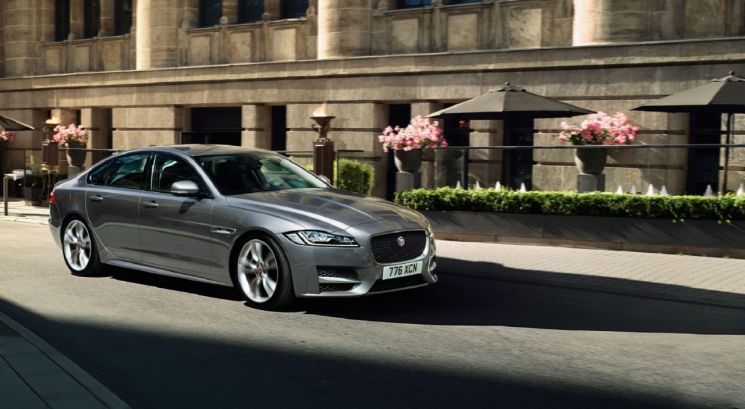
Additionally, the revised individual consumption tax cut policy from July still holds the possibility of favoring sales of ultra-luxury imported cars. Vehicles priced at 76.67 million KRW (ex-factory price 67 million KRW) or higher actually have a greater discount effect than in the first half of the year. In the first month of July, sales of high-priced premium brands such as Lamborghini (14.3%) and Jaguar (4.7%) increased compared to the previous month, while sales of Bentley and Rolls-Royce decreased by more than 30%.
© The Asia Business Daily(www.asiae.co.kr). All rights reserved.












