Water Pressure, Cleaning Direction, and Frequency Are Key
Excessive Use May Cause Skin Irritation or Inflammation
Special Caution Needed Immediately After Childbirth
While bidets are recognized as tools that can aid in maintaining hygiene after bowel movements, experts warn that improper use can increase the risk of skin irritation or infection, making it essential to follow correct usage guidelines. Medical professionals emphasize the need for caution depending on an individual's health condition and usage habits.
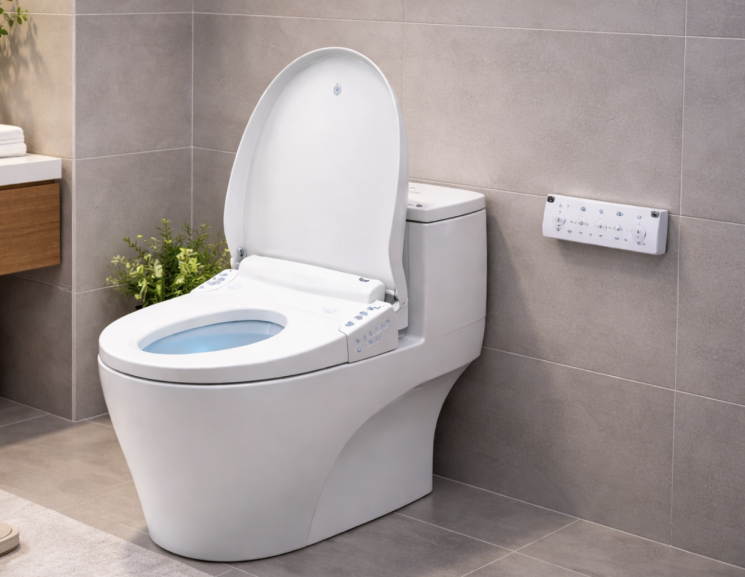
On February 2 (local time), the Associated Press reported, "Bidets can be useful for people recovering from hemorrhoids or surgery, and for those with limited mobility. However, if water pressure, direction, and frequency of use are not properly managed, side effects may occur."
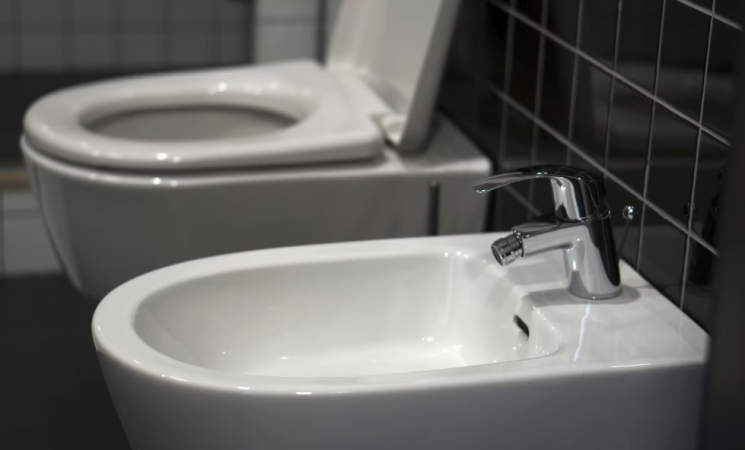
A bidet is a device that cleanses the genital and anal areas with a stream of water after bowel movements. Recently, in the United States, bidets have become recognized as everyday hygiene tools, with a variety of products in use, including standalone units separate from the toilet, toilet-mounted bidets, handheld portable models similar to shower heads, and smart bidets equipped with heated seats and drying functions.
Many experts agree that bidets cause less skin irritation than toilet paper, and can be helpful for people who need repeated wiping due to chronic diarrhea or frequent bowel movements, as well as those experiencing pain from hemorrhoids or anal fissures.
The Importance of 'Front-to-Back' Cleaning Direction... Attention Needed for Water Temperature and Pressure
Experts explain that the direction of cleansing is the most important factor when using a bidet. David Livadneyra, a colorectal surgeon at Huntington Hospital in New York, specifically advised that women should sit facing the control panel so that the water flows from front to back. This is to prevent bacteria from the anal area from entering the urethra and causing urinary tract infections.
Water temperature and pressure are also considered key elements. Most doctors recommend using lukewarm water at low pressure for less than a few minutes. Excessively strong water streams or extreme temperatures-either hot or cold-should be avoided, as they can cause skin irritation.
Moisture Removal After Use Is Necessary... Excessive Use Should Be Avoided
Since bidets are designed for external cleansing, they should never be used to inject water inside the anus. Livadneyra emphasized, "A bidet is not a substitute for an enema or colon cleansing."
After cleansing, it is best to gently remove moisture with toilet paper or a dedicated cotton towel. Residual moisture can lead to mold or yeast infections. Experts especially advise that people with sensitive skin should not neglect the drying process.
Bidets can be used daily, but it is most appropriate to use them after bowel movements. Excessive use can actually lead to skin irritation, so caution is needed. In Japan, there have been reports of rashes or abnormal bowel control around the anus after frequent bidet use, and it is recommended to temporarily stop using the bidet if such symptoms occur.
Special Caution Needed for Pregnant Women and Others... Regular Cleaning Is Essential
Medical professionals stress that special caution is required in certain situations. Immediately after childbirth or in cases of genital ulcers, using a high-pressure bidet can cause irritation, so it is best to consult a specialist before use. For those with genital eczema or psoriasis, applying moisturizer after using a bidet may also be beneficial.
The cleanliness of the bidet itself directly affects hygiene. Neil H. Patel, a family medicine physician at Providence Saint Joseph Hospital in California, noted, "Bacteria can breed on the nozzle area," and recommended cleaning it with disinfectant wipes once every one to two weeks.
Experts emphasize that while bidets can alleviate itching or discomfort, if bleeding persists or pain is severe, one should not dismiss these as minor symptoms and must seek medical attention.
© The Asia Business Daily(www.asiae.co.kr). All rights reserved.









![The Special Connection Between the Statue of Martyr Lee Jun in Jangchungdan Park and Mayor Oh Sehoon ③ [Current Affairs Show]](https://cwcontent.asiae.co.kr/asiaresize/319/2026012110001599450_1768957215.jpg)

