Large Volume of Videos Similar to Existing Japanese Content Generated
Result of Using Content as Training Data
No Legal Precedents for AI Training Issues
Japanese animation studio Studio Ghibli has demanded that OpenAI stop using its content for artificial intelligence (AI) training without permission.
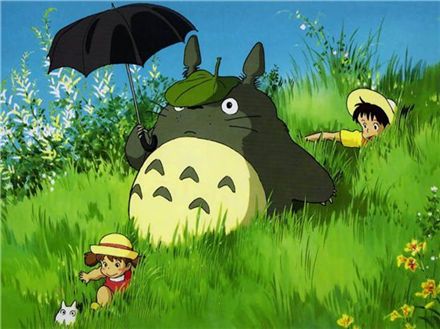 My Neighbor Totoro
According to U.S. IT media outlet TechCrunch on the 3rd (local time), the Content Overseas Distribution Association (CODA) of Japan, of which Ghibli is a member, recently sent an open letter to OpenAI, which launched the video generation service "Sora 2," requesting that the company refrain from using member companies' content for AI training without authorization. Studio Ghibli is a renowned animation studio known for works such as "Spirited Away" and "My Neighbor Totoro."
CODA also demanded that OpenAI respond sincerely to member companies' complaints and inquiries regarding copyright infringement by Sora 2. CODA stated, "We have confirmed that Sora 2 generates a large volume of videos similar to existing Japanese content," and pointed out, "We believe this is the result of using Japanese content as (AI) training data."
CODA further argued, "In cases where specific works are reproduced or similarly generated by services like Sora 2, the act of copying during the training process may constitute copyright infringement."
CODA went on to emphasize that regarding OpenAI's adoption of an 'opt-out' system, which allows copyright holders to request that their content not be used, "Under Japanese copyright law, prior authorization is required for the use of copyrighted works," and "There is no system that allows liability for infringement to be avoided through post-facto objections."
Since OpenAI announced Sora 2 at the end of September, users have been sharing AI-generated videos featuring popular brands and animation characters. In March, it also became widely known that ChatGPT could generate images in the style of Ghibli, sparking a trend where users transformed their own photos into the Ghibli style. Sam Altman, CEO of OpenAI, also changed his X (formerly Twitter) profile picture to a "Ghibli style" image.
However, it remains uncertain whether OpenAI will comply with these requests. If OpenAI does not cooperate, organizations claiming damages may file lawsuits. However, U.S. law does not clearly define how copyrighted works are used in the process of AI training. TechCrunch pointed out that there are currently very few precedents for how judges have applied copyright law to issues related to AI training and reproduction.
© The Asia Business Daily(www.asiae.co.kr). All rights reserved.