Be Careful with Excessive Consumption of Caffeinated Energy Drinks
Experts Warn: "Too Much Can Put a Strain on the Heart"
Concerns have been raised that excessive caffeine intake can pose fatal risks even to healthy individuals.
On the 27th (local time), the British Daily Mail highlighted the case of Katie Donnell (28), a woman living in Florida, USA, who died of a heart attack in 2021.
Donnell was generally healthy with no underlying conditions, but in August of that year, she suddenly lost consciousness and collapsed while meeting friends. She remained in a coma for 10 days before passing away.
Her mother, Lori Baranon, suggested that excessive caffeine intake might have been the cause of her daughter's death. Although Donnell had no prior health issues, she consumed a significant amount of caffeine.
Donnell reportedly took supplements containing caffeine amounts similar to energy drinks before exercising and purchased and consumed four packs of energy drinks every 2 to 3 days.
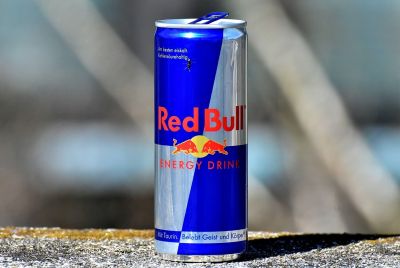
Since her daughter's passing four years ago, the family has been working to raise awareness about the dangers of energy drinks with high caffeine content and to strengthen regulations.
In August last year, an 18-year-old male in Oklahoma who habitually consumed excessive caffeine died of a heart attack while exercising. Witnesses testified that he had a habit of consuming both supplements and energy drinks before going to the gym.
The U.S. Food and Drug Administration (FDA) recommends that adults limit their daily caffeine intake to 400 mg or less. Typically, green tea contains 37 mg, coffee contains 113?247 mg, and energy drinks contain 41?246 mg of caffeine.
Experts warn, “The caffeine concentration in energy drinks is very high, and excessive intake can place a serious burden on the heart,” adding, “Caffeine especially increases heart rate, and excessive consumption can cause arrhythmia or lead to heart attacks.”
The American Academy of Pediatrics specifically points out that “children and adolescents who abuse caffeine may experience increased heart rate, high blood pressure, anxiety, digestive problems, and dehydration.”
Experts emphasize, “It is essential to regulate caffeine intake during adolescence, a critical period for physical development,” adding, “Excessive caffeine disrupts sleep patterns and increases stress and anxiety, which can negatively affect academic performance and daily life.”
© The Asia Business Daily(www.asiae.co.kr). All rights reserved.











![$29 Monthly Subscription AI Plant Appliance... US Startup Challenges LG [CES 2026]](https://cwcontent.asiae.co.kr/asiaresize/319/2026010819285284553_1767868133.png)