Jim Risch, Roger Wicker and Others
Advocate for Nuclear Sharing Agreement and Tactical Nuclear Redeployment with Han
U.S. senators who advocated for the "redeployment of tactical nuclear weapons on the Korean Peninsula" are expected to lead the Foreign Relations Committee and the Armed Services Committee, which will influence U.S.-South Korea relations and North Korea policy, in the 119th Congress starting in January next year.
Senator John Thune (South Dakota), who will serve as the Senate Republican Whip, announced the committee assignments for the 119th Congress on the 20th (local time), placing Senator Jim Risch (Idaho) and Senator Roger Wicker (Mississippi) on the Foreign Relations Committee and the Armed Services Committee, respectively. Since the Republican Party secured the majority in Congress in the U.S. presidential election, it is highly likely that these two senators, who serve as Republican ranking members on their respective committees, will be elected as committee chairs.
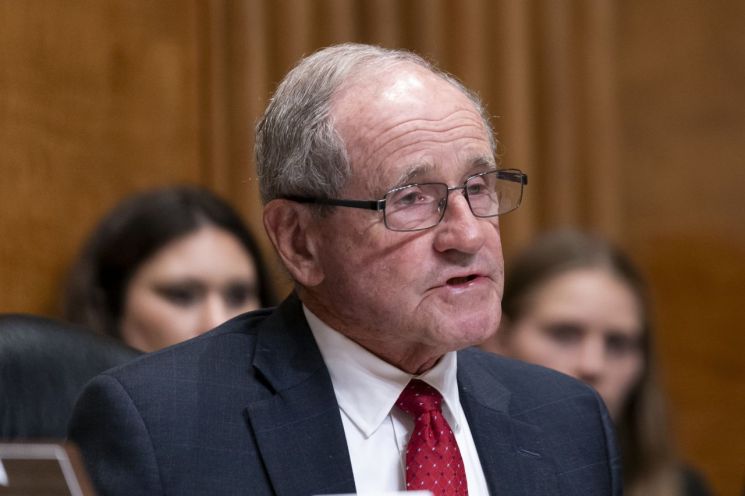
Committee chairs in the U.S. Congress are held by the majority party. Generally, the most senior member on the committee during the session becomes the chair. Notably, Senator Risch, a three-term senator, served as the ranking member of the Foreign Relations Committee in the 117th Congress (2021?2022) and as the committee chair in the 116th Congress (2019?2020). He has advocated for active U.S. foreign engagement, supporting aid to Ukraine and urging the strengthening of Taiwan's defense to deter China.
Senator Wicker is also a supporter of Ukraine and a hardliner against China. A former Air Force Reserve lieutenant colonel, Wicker entered the Senate through a special election in 2008 and won re-election last month, earning his "fourth term badge." Since Senator Jim Inhofe's retirement, Wicker has served as the senior Republican member of the Armed Services Committee since 2023.
Both senators share the view that to deter North Korea's nuclear threat, it is necessary not only to provide extended deterrence (nuclear umbrella) to South Korea but also to redeploy tactical nuclear weapons. In particular, Senator Wicker proposed in May increasing the U.S. defense budget by $55 billion (approximately 75 trillion won) to strengthen national defense, suggesting the redeployment of tactical nuclear weapons on the Korean Peninsula and nuclear sharing arrangements similar to those of the North Atlantic Treaty Organization (NATO).
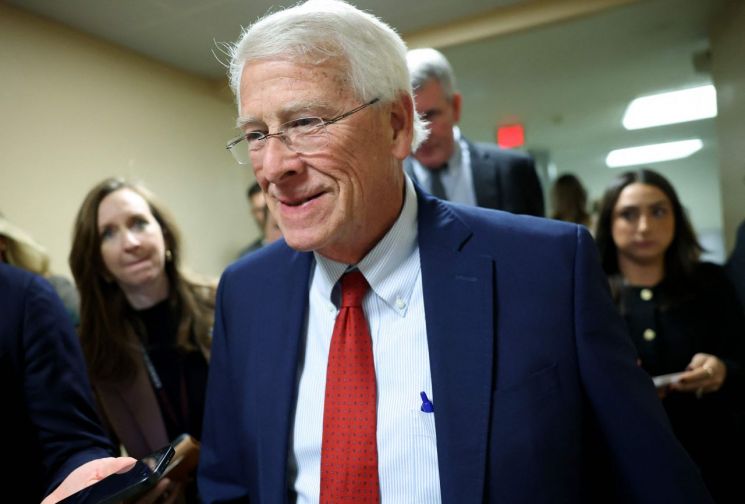
At that time, Senator Wicker stated that there appeared to be no diplomatic solution as North Korea continued to develop nuclear weapons and ballistic missiles, emphasizing that the U.S. must explore "new options" to strengthen deterrence on the Korean Peninsula, such as nuclear sharing agreements and tactical nuclear redeployment. He pledged to incorporate these proposals into the Fiscal Year 2025 National Defense Authorization Act under congressional review, but they were ultimately not included in the final Senate-approved bill.
Senator Risch also proposed tactical nuclear redeployment as a way to strengthen extended deterrence during the "Future of Arms Control and Deterrence" hearing in the same month, stating that "extended deterrence in Asia is particularly weak." He pointed out, "Unlike Europe, we have withdrawn all nuclear weapons from this (Indo-Pacific) region," adding, "East Asian allies are concerned not only about China and Russia but also North Korea, which is deploying hundreds of nuclear weapons." He emphasized, "We must explore options to redeploy nuclear weapons to this theater to reassure our allies. This issue should not be taboo to discuss. Our adversaries are watching."
© The Asia Business Daily(www.asiae.co.kr). All rights reserved.