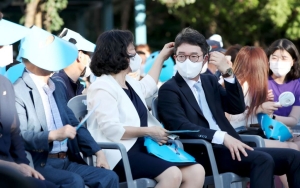
City Responds Proactively with "Early Detection, Rapid Response, and Citizen Cooperation"
Nationwide Sample Surveillance Hospitalizations Quadruple in Two Months
Urges Adherence to Guidelines Such as Mask-Wearing and Handwashing... Encourages Vaccination
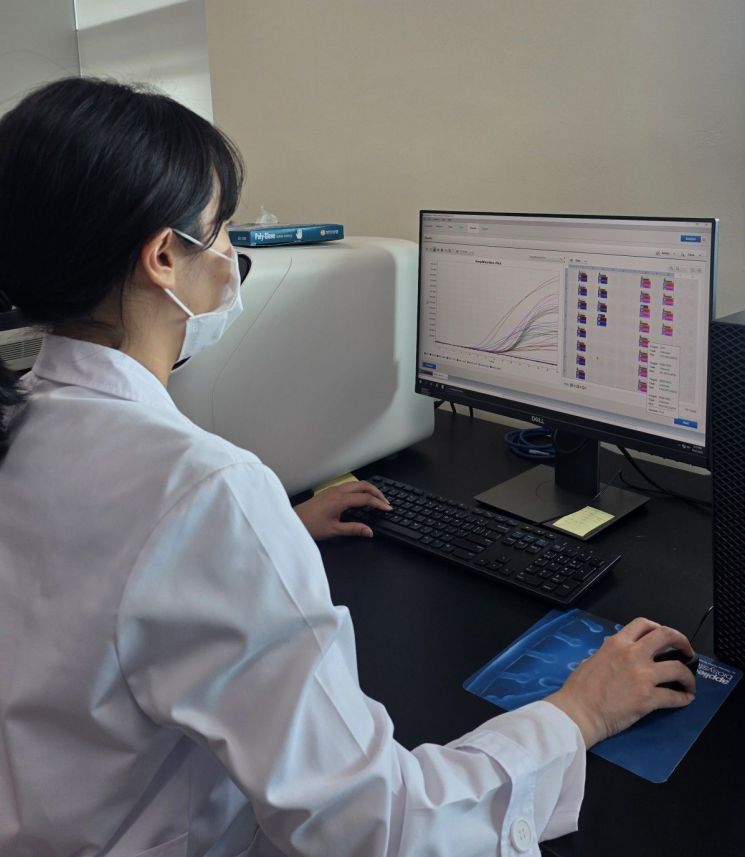 Gwangju Institute of Health and Environment COVID-19 monitoring scene. Provided by Gwangju Institute of Health and Environment
Gwangju City is making every effort to prevent the spread of COVID-19 ahead of the World Archery Championships in September. In response to the recent surge in confirmed cases, the city has established "early detection, rapid response, and citizen cooperation" as its core disease control strategies.
To ensure early detection of infectious diseases, the city has significantly expanded the number of sample surveillance institutions from 5 to 21 general hospitals. For facilities vulnerable to infection, 32 dedicated teams with a total of 102 personnel are being operated continuously by the city and local districts.
According to recent statistics, the number of hospitalized patients nationwide increased more than fourfold, from 63 in June to 272 in August, while in Gwangju, the number rose from 0 to 18. Notably, the COVID-19 virus detection rate in July and August was more than five times higher compared to May and June.
The main causes of this spread have been identified as the increased travel volume during the summer vacation season and the strong transmissibility of variant viruses. In response, Gwangju City has urged citizens to: make mask-wearing a routine, wash hands thoroughly, practice proper cough etiquette, visit respiratory clinics if symptoms appear, voluntarily self-isolate for five days if confirmed positive, actively participate in vaccinations for those aged 60 or older with underlying conditions, and refrain from visiting nursing hospitals, care facilities, and crowded public places, among other personal hygiene guidelines.
With the start of the new school term approaching and the risk of cluster infections rising, special caution is required for the elderly and those with underlying health conditions. In particular, facilities vulnerable to infection will strengthen regular ventilation, disinfection, and symptom monitoring.
Kang Yunseon, Director of Public Health and Medical Services, emphasized, "As the risk of infectious diseases increases due to climate change and the rise in overseas travel, it is crucial to follow personal hygiene guidelines and seek prompt medical care."
© The Asia Business Daily(www.asiae.co.kr). All rights reserved.







![$29 Monthly Subscription AI Plant Appliance... US Startup Challenges LG [CES 2026]](https://cwcontent.asiae.co.kr/asiaresize/319/2026010819285284553_1767868133.png)