Goyang City Sets Goal to Reduce Greenhouse Gas Emissions by 36% by 2030
Janghang Wetland Ecology Center to Serve as Hub for Ecological Education and Tourism
Steady Expansion of Eco-Friendly Vehicle Infrastructure, Urban Forests, and Pocket Forests
Accelerating Efforts for a 'Sustainable City' Through Fine Dust Reduction and Renewable Energy Expansion
Goyang Special City in Gyeonggi Province (Mayor Lee Donghwan) is rapidly advancing concrete policies toward carbon neutrality and green growth, establishing itself as an eco-friendly city.
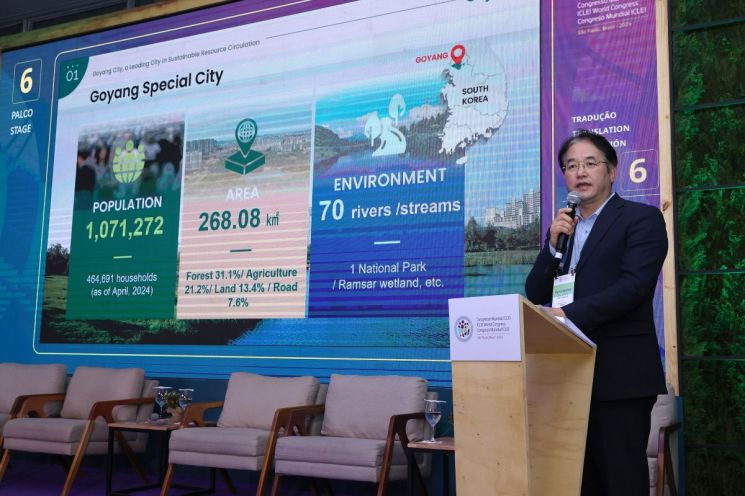 Lee Donghwan, mayor of Goyang Special City, is giving a session presentation at the 2024 ICLEI World Congress. Photo by Goyang Special City
According to Goyang Special City on June 11, the city announced its "1st Basic Plan for Carbon Neutrality and Green Growth (2025-2034)" in May, aiming to reduce greenhouse gas emissions under its jurisdiction by 36% compared to 2018 levels by 2030, and by 39% by 2034.
The basic plan is structured around five sectors?buildings, transportation, agriculture and livestock, waste, and carbon sinks?with 19 strategies and 105 detailed projects. A realistic roadmap has been established to enhance the plan's effectiveness.
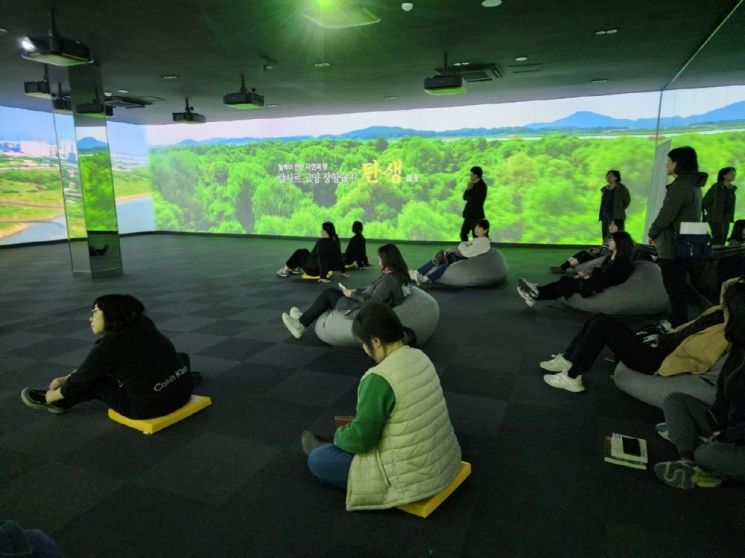
In May of last year, Goyang Special City opened the Carbon Neutrality Support Center at the Goyang Research Institute to provide professional support for developing region-specific carbon neutrality policies. In addition, after the Ministry of Environment designated Janghang Wetland, a Ramsar Wetland, as an ecotourism area in November last year, the city has been nurturing the pilot Janghang Wetland Ecology Center as a hub for ecological education and tourism. Equipped with a 4D theater, media art hall, exhibition room, and ecological education room, the Janghang Wetland Ecology Center is scheduled to begin full-scale operations in the second half of this year.
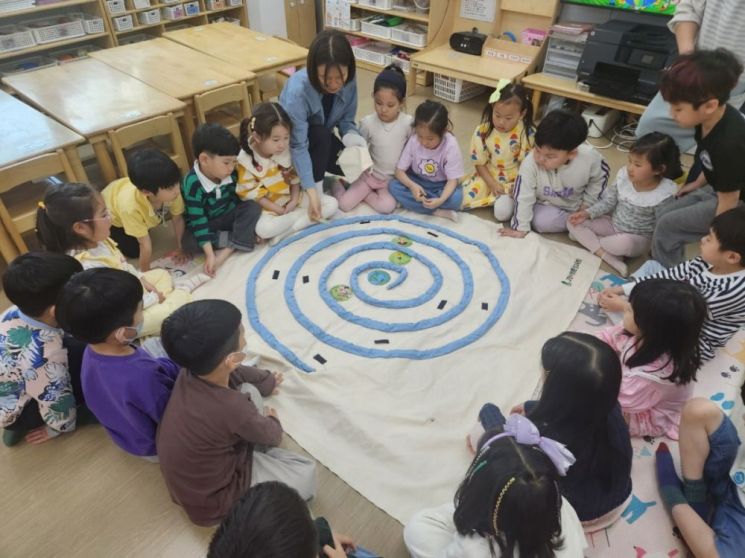
The Goyang Special City Environmental Education Center has also been designated as a training institution for nature interpreters by the Ministry of Environment, producing a total of 60 nature interpreters over the past three years and contributing to local environmental conservation and education activities. Through the city's life-cycle environmental education initiatives, 10,650 children and students participated in programs linked to the Nuri and regular curricula last year, and this year the scope has been expanded to include special education programs.
From 2022 to 2024, Goyang Special City supported the early scrapping of 4,145 old diesel vehicles, reducing fine dust emissions by approximately 45.8 tons. This year, the city plans to support the scrapping of an additional 1,839 vehicles.
Meanwhile, the number of registered electric vehicles in Goyang Special City has surpassed 13,000, accelerating the transition to eco-friendly transportation. In May, the nation's largest rapid charging station for electric vehicles opened at KINTEX. The 23 dual-arm rapid chargers installed as part of the 2024 Ministry of Environment's regional zero-emission vehicle transition brand project can simultaneously charge 46 electric vehicles. To date, Goyang City has established 1,128 electric vehicle chargers and plans to add 20 more rapid chargers within this year.
Goyang Special City is also implementing practical support measures to address fine dust, which threatens citizens' health. The city is promoting the installation of dust-proof windows in facilities used by vulnerable groups, and last year provided 90% of installation costs for 43 private and home-based daycare centers. This year, the city plans to support additional installations at 29 senior centers near power plants and 13 locations within the Siksa-dong fine dust intensive management zone.
Over the past three years, Goyang Special City has created 47 urban forests and pocket forests on land near residential areas to absorb fine dust, expanding green space by 8,600 square meters. To respond to climate change and provide green rest areas, the city established nine pocket forests, and 14 roadside forests to block harmful substances along roads. Additionally, 24 parks have been remodeled to reduce paved areas and increase green spaces. This year, one roadside forest was created in the upper reaches of the Gyeondalsancheon stream, and the city plans to add 16 more urban and pocket forests within the year.
To reduce greenhouse gases and increase energy self-sufficiency, Goyang Special City is actively installing solar power generation facilities at public sites. Currently, solar power systems with a total capacity of about 2,600 kW are in operation at the Second Jayuro Slope, Tanhyeon Third Public Parking Lot, Janghang Baseball Stadium Parking Lot, and Goyang Agricultural and Marine Products Distribution Center. This year, the city is also pursuing the installation of a 262 kW solar power system on the roof of KINTEX Exhibition Hall 1 and a 1,300 kW system at Ilsan Lake Park Parking Lot through private investment (BOT) projects.
From 2022 to 2024, the city secured over 9.2 billion KRW in national and provincial funds to subsidize the installation of solar, solar thermal, and geothermal facilities. The city has also supported the following: the New and Renewable Energy Convergence Support Project for 505 private buildings; installation of solar power systems at six public facilities; construction of the 13th and 14th Citizen Solar Power Plants; the New and Renewable Energy Housing Support Project for 500 households; the New and Renewable Energy Building Support Project for 45 private buildings; and the distribution of mini solar power systems to 394 households.
As a result of these efforts, Goyang Special City has achieved the highest S grade for five consecutive years since 2020 in the "RE100 Renewable Energy Supply Achievement Rate" category of the city and county comprehensive evaluation.
Mayor Lee Donghwan of Goyang Special City stated, "Now that the climate crisis is no longer a distant future but a reality, Goyang is taking a leading role in climate action and fulfilling its responsibilities as a major city," adding, "We will continue to actively pursue environmental policies and create a sustainable future together with our citizens."
Meanwhile, in October last year, Goyang Special City was selected for Gyeonggi Province's first mini hydrogen city project in northern Gyeonggi, securing 5 billion KRW in provincial funding. To proactively respond to hydrogen demand, this project, with a total budget of 10 billion KRW (5 billion KRW from the province and 5 billion KRW from the city), will be implemented over three years. The city is about to begin a comprehensive planning study and plans to install hydrogen production facilities and commence commercial operations by 2027.
© The Asia Business Daily(www.asiae.co.kr). All rights reserved.