Release from January to March Next Year... Participation in US Joint Release Proposal for Stabilizing International Oil Prices
[Sejong=Asia Economy Reporter Kwon Haeyoung] Following the United States' proposal for a joint release of strategic oil reserves to stabilize international oil prices, the government will release 3.17 million barrels of strategic oil reserves over three months starting January next year.
The Ministry of Trade, Industry and Energy announced on the 23rd that after the decision last month for allied countries including the United States to participate in the joint release of strategic reserves, it consulted with domestic refiners and, considering the planned sales volume under the government’s oil reserve plan, reached this decision in coordination with the United States.
The release volume of 3.17 million barrels is similar to the amount released during the 2011 Libya crisis (3.467 million barrels) and accounts for about 3.3% of the government’s total strategic reserves of 97 million barrels. The government explained that the remaining reserves can sustain supply for about 103 days, ensuring sufficient response capability in case of sudden oil supply and demand crises in the future.
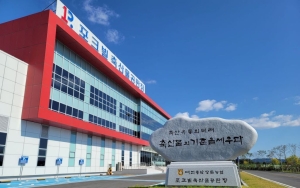
The release of strategic reserves will proceed sequentially over three months starting next month according to each refiner’s production plan. Of the crude oil, 2.08 million barrels will be released to domestic refiners through a lending method within one year, and 1.09 million barrels of petroleum products scheduled for sale (kerosene and propane) will be released through a bidding process to the highest bidder. For crude oil, the Korea National Oil Corporation will sign lending contracts with domestic refiners by the end of this month, and for products, a bidding announcement will be made within the year.
An official from the Ministry of Trade, Industry and Energy said, "This strategic oil release reflects the shared recognition among allied countries including South Korea, the United States, Japan, India, and China of the need for international cooperation to stabilize rapidly rising international oil prices," adding, "It is highly significant that major global oil-consuming countries have united to respond actively."
With the anticipated decision for strategic reserve releases among allied countries, international oil prices have been declining to some extent since early November. This stabilization trend is influenced by the emergence of Omicron and OPEC Plus’s policy to maintain increased production. Brent crude oil prices fell from $85.13 per barrel in the fourth week of October to $74.1 per barrel as of the third week of this month.
Park Ki-young, the 2nd Vice Minister of the Ministry of Trade, Industry and Energy, stated, "We will closely monitor international oil prices even after this release," and added, "This release will not only stabilize oil prices but also preemptively resolve supply concerns of refiners caused by frequent winter weather disruptions. By releasing a mix of kerosene and propane, which have high demand in winter, it will also prevent temporary disruptions in petroleum product supply."
© The Asia Business Daily(www.asiae.co.kr). All rights reserved.