"Remove Pink Stains Immediately," Experts Warn
It May Not Be Soap Scum or Ordinary Mold
Maintaining a Dry Bathroom Environment Is Essential
Experts have issued a warning that the pink stains often found in bathrooms may not be soap scum or common mold. These stains could actually be traces of bacteria that can negatively affect your health. On April 16 (local time), foreign media outlets such as Surrey Live cited Peter Jones, a plumbing expert at the water leak detection company ADI, who explained that the reddish residue seen in bathrooms may be a type of bacteria known as Serratia marcescens.
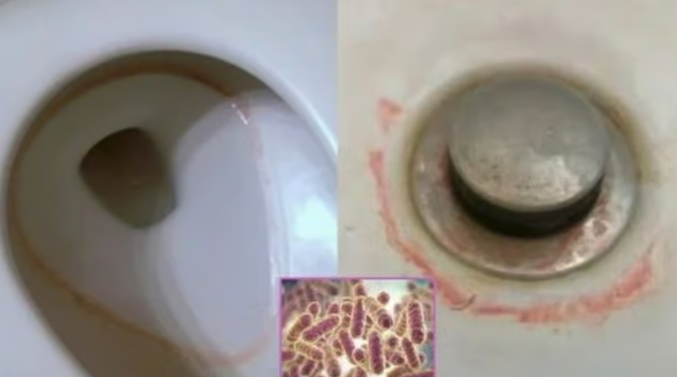
Peter Jones stated, "Many people assume the pink stains in bathrooms are just mold or soap residue, but in reality, they could be a biofilm formed by bacteria to protect themselves." He went on to warn that "Serratia marcescens can cause health issues such as respiratory problems or urinary tract infections. When you shower with hot water, bacteria dispersed into the air can enter your body through the respiratory tract, so caution is necessary." He specifically advised that individuals undergoing cancer treatment, organ transplant recipients, and people with chronic illnesses such as diabetes should be especially careful of this bacteria and remove it immediately if found. The same applies to the elderly, infants, and those with respiratory diseases.
Serratia marcescens is a type of bacteria that thrives in humid environments and produces a red pigment, which makes the stains appear pinkish. It is commonly found on bathroom sinks, toilets, tiles, showerheads, and shower curtains, and it grows particularly well in areas where soap or shampoo residue remains. This bacteria can cause respiratory infections, skin infections, conjunctivitis, and urinary tract infections in people with weakened immune systems. However, regular cleaning and thorough moisture control can prevent infection.
Experts recommend scrubbing the affected areas with a brush soaked in a solution of about 10% bleach and drying the floor with a towel or squeegee after using the bathroom. They also advise cleaning the toilet regularly and replacing the shower curtain periodically. When cleaning these reddish stains, it is essential to wear rubber gloves, as Serratia marcescens can enter the body through wounds. Since this bacteria can easily proliferate again in humid environments, one-time measures are not sufficient, making moisture control in the bathroom especially important.
© The Asia Business Daily(www.asiae.co.kr). All rights reserved.