Pests and Abnormal High Temperatures Cause Mass Deaths
Pollination Threatened for Apples, Watermelons, and Onions
Honeybees are disappearing from the Korean Peninsula. Last year alone, billions of honeybees died in mass die-offs. The decline in honeybee populations poses serious damage not only to beekeeping farms but also to the entire domestic agriculture sector, as many local crops depend on honeybee pollination.
According to Chuncheon City on the 20th, 68% (3,811 out of 5,600) of honeybee colonies raised by farms affiliated with the city’s Beekeeping Association have vanished. Considering that each colony houses about 10,000 to 15,000 honeybees, it means that at least tens of millions of honeybees have disappeared in Chuncheon alone. Including farms not affiliated with the Beekeeping Association, the damage is expected to increase exponentially.
The honeybee die-off phenomenon is not limited to Chuncheon. According to a survey by the Korea Beekeeping Association, as of last year, 390,000 colonies died, amounting to a staggering 7.8 billion individual honeybees. This accounts for 16% of all domestically raised honeybees. It is projected that 10 billion honeybees will die this year.
Pests and Abnormal Heat Threaten Korean Honeybee Ecosystem
So why are honeybees disappearing from the Korean Peninsula? Although the exact cause has not been identified, experts point to pests threatening the bee ecosystem and increasingly severe abnormal climate phenomena as reasons.
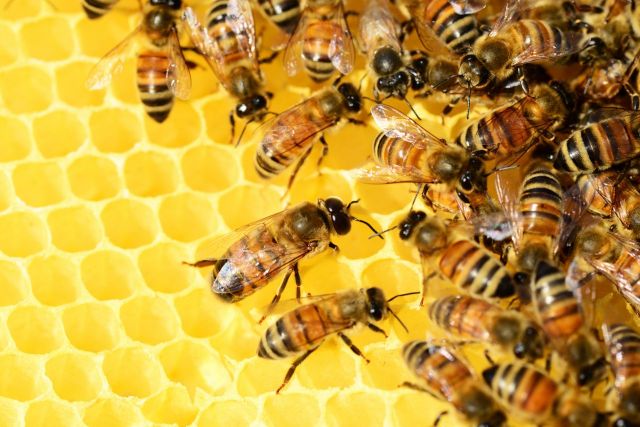
The Rural Development Administration announced the results of a nationwide survey on honeybee damage in March last year, stating, "Most of the affected colonies showed the presence of Varroa mites (pests that spread diseases to adult honeybees and larvae)." They also explained, "To minimize damage from Varroa mites, various pesticides were excessively used up to three times the recommended amount, which negatively affected honeybee development before winter."
They also pointed out that the abnormal high temperatures in early spring last year affected honeybee growth. The Rural Development Administration stated, "Low temperatures in September and October 2021 hindered honeybee development. In November and December, high temperatures caused flowers to bloom earlier than usual, weakening the colonies," and added, "Worker bees active during winter for pollen collection exhausted their energy and failed to return to the hive."
If Honeybees Disappear, 'Human Food' Also Suffers
In fact, last spring, temperatures rose faster than usual, causing spring flowers to bloom early. According to the private weather company Weatheri, in Seoul, azaleas, cherry blossoms, and forsythias bloomed almost simultaneously between mid and late March last year.
Wildflowers that provide essential nutrients to honeybees normally bloom sequentially in spring. Honeybees typically collect nectar in the order of azalea → forsythia → cherry blossom, accumulating nutrition throughout the spring. However, due to abnormal heat, all spring flowers bloomed at once and then withered, cutting off the nutrient supply.
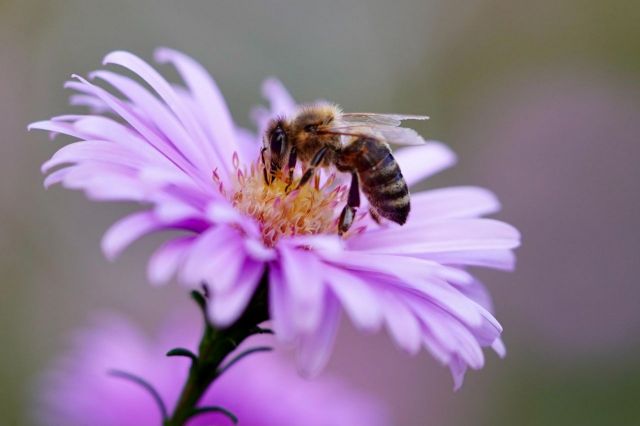
The disappearance of honeybees harms not only beekeeping farms. Honeybees play the role of 'pollinators' by collecting nectar from wildflowers and spreading pollen on their bodies. A decrease in honeybee populations means fewer means for plant reproduction.
According to data released by the United Nations Food and Agriculture Organization (FAO), honeybees are responsible for pollinating 90% of wild plants worldwide and 75% of crops consumed by humans. Among the top 100 food crops humans eat, 71 species grow through honeybee pollination. These include rapeseed and sunflower, which are sources of cooking oil.
Korean farms have also cultivated crops in cooperation with honeybees. Domestically, apples, melons, watermelons, and onions depend on honeybee pollination. If honeybees disappear from the Korean Peninsula, cultivating these crops will become even more difficult.
© The Asia Business Daily(www.asiae.co.kr). All rights reserved.


















