[Asia Economy (Suwon) = Reporter Lee Young-gyu] It has been revealed that 43% of hand sanitizer manufacturers in Gyeonggi-do illegally produced and sold their products.
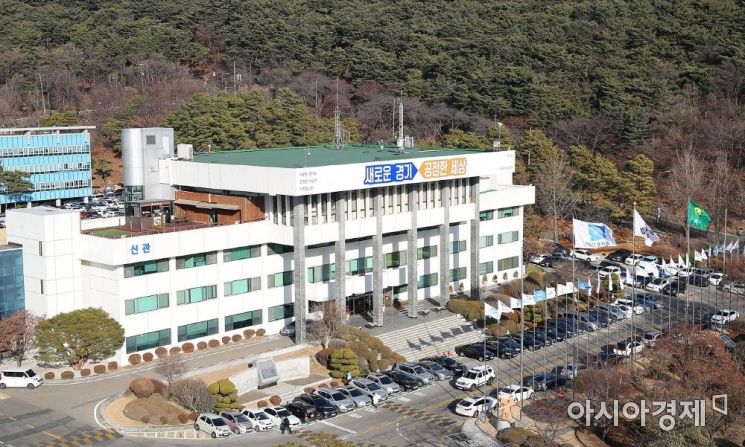
On the 9th, the head of the Gyeonggi-do Special Judicial Police announced that from April 6 to June 12, they investigated 94 hand sanitizer manufacturers in the province and found 43 companies (43%) violating the Hazardous Materials Safety Control Act and the Pharmaceutical Affairs Act, leading to criminal charges.
In particular, nine companies were found to have violated the Pharmaceutical Affairs Act by manufacturing hand sanitizers without registering as manufacturers of quasi-drugs or by using ingredients different from those approved. Additionally, six companies violated both the Hazardous Materials Safety Control Act and the Pharmaceutical Affairs Act.
Ethanol, the main ingredient in hand sanitizers, is a highly flammable hazardous material, and storing or handling more than 400 liters requires prior approval from the local fire chief.
Hand sanitizers, classified as quasi-drugs, must use ingredients that comply with item-specific approval (KP certification) or item-specific notification standards (standard manufacturing criteria for quasi-drugs) after registering as a manufacturer.
Among major violations, Company A in Seongnam was caught producing up to 18,000 kg of hand sanitizer per day using 36,000 liters of ethanol, which is 90 times the legally permitted minimum storage amount of 400 liters.
Company B in Ansan was initially approved to store 4,000 liters of ethanol but was found to have stored 12,000 liters more than the approved amount. Company C in Yangju was caught illegally storing 26,000 liters without any approval.
Company D in Hwaseong manufactured a total of 132,000 kg of hand sanitizer without registering as a quasi-drug manufacturer, and seven companies including Company E were caught producing a total of 908,497 kg of hand sanitizer using ethanol that did not meet approval or notification standards.
Under the current Hazardous Materials Safety Control Act, companies manufacturing hazardous materials without permission face imprisonment of up to five years or fines up to 100 million won, and those storing hazardous materials in unauthorized locations face imprisonment of up to three years or fines up to 30 million won.
Furthermore, the Pharmaceutical Affairs Act stipulates that manufacturing hand sanitizers without registering as a quasi-drug manufacturer or using unapproved ingredients can result in imprisonment of up to five years or fines up to 50 million won, and companies violating standard manufacturing criteria by using industrial ethanol face imprisonment of up to three years or fines up to 30 million won.
Inchi Kwon, head of the provincial Special Judicial Police, emphasized, "Hand sanitizers pose risks of burns and fires if used immediately near fire or heat sources, so considerable caution is required when using them. We will continue to strongly respond to illegal companies that have ignored the health and safety of residents and pursued immediate profits by taking advantage of the hand sanitizer shortage caused by COVID-19."
© The Asia Business Daily(www.asiae.co.kr). All rights reserved.

















