According to the 'Work-Family Balance Indicator' announced by Statistics Korea last year, out of 8.844 million married women, 1.699 million (19.2%) experienced career interruption, with women in their 30s?the age group expected to be most active socially?accounting for the largest number at 806,000.
The high proportion of career interruption among women under 30 is mainly due to childcare, which accounts for 38.2%, followed by pregnancy and childbirth at 22.6%. Ultimately, over 60% of married women experience career interruption due to pregnancy, childbirth, and childcare, leading them to give up their careers.
In this context, Juviz Group, known as the largest healthcare company in Korea, is gaining attention for supporting childbirth and parental leave for married employees and fostering a culture that balances work and family life.
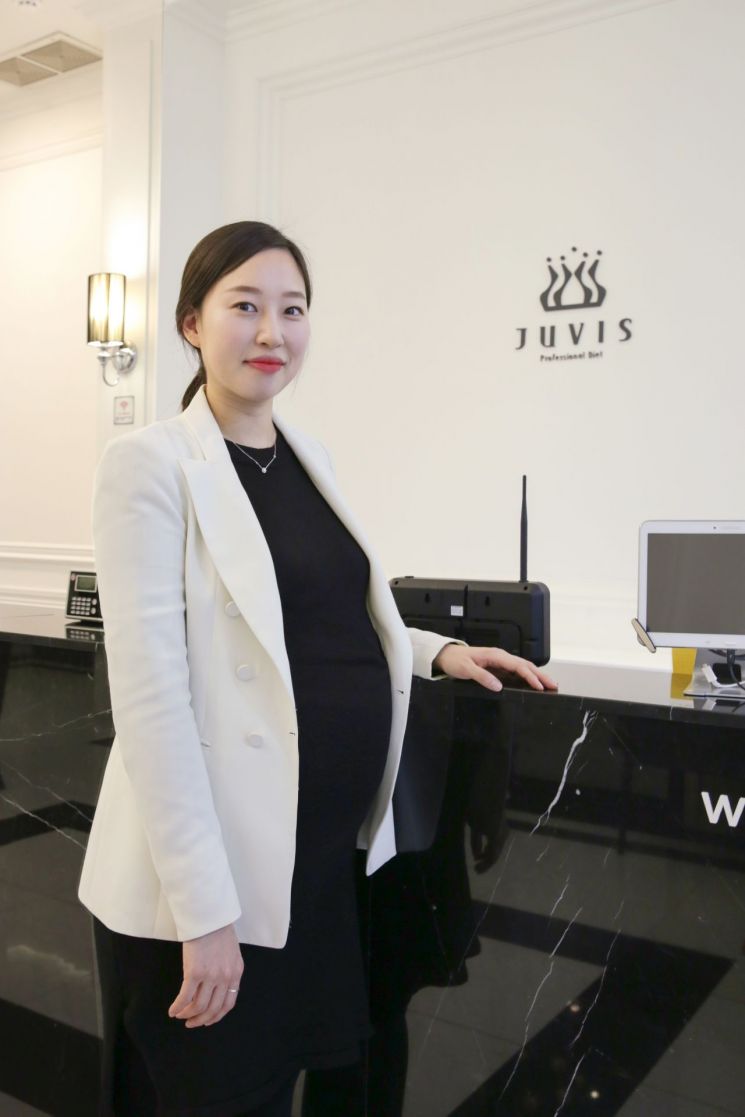
◆ Maternity leave as a given, with a corporate culture that freely allows up to one year of parental leave
Shin Su-yeon (32), center director of Juviz Diet, who is expecting childbirth soon, cannot hide her excitement as she prepares for childbirth and childcare day after day.
While her friends around her feel burdened even by maternity leave, Shin Su-yeon is able to freely take not only maternity leave but also up to one year of parental leave at her company.
Shin Su-yeon said, “When I informed the company about my pregnancy, I was given explanations not only about maternity leave but also about one year of parental leave. The company has a culture of proactively informing and accommodating these leave policies, so I can focus on childbirth and childcare without any mental burden, which I am very grateful for.”
◆ Childbirth and childcare as career interruption? Rather, increased job satisfaction and responsibility
As statistics show that career interruption among married women stems from childbirth and childcare, many married women face the reality of career interruption whether they want it or not while experiencing childbirth and childcare.
However, employees at Juviz report that contrary to this reality, experiencing childbirth and parental leave actually increases their job satisfaction and sense of responsibility.
An official from Juviz’s HR team stated, “Employees who return to work after maternity and parental leave tend to show higher satisfaction and trust in the company. They feel proud that their socially recognized role at work can be a source of pride for their children, which increases their sense of responsibility and job satisfaction more than before.”
Center director Shin Su-yeon also said, “After 90 days of maternity leave and one year of parental leave, I worried a lot about whether I could adapt when I returned to work. But seeing colleagues who experienced childbirth and parental leave before me return to work more energetically gave me a lot of strength. I hope other employees preparing for childbirth will not fear childbirth or childcare.”
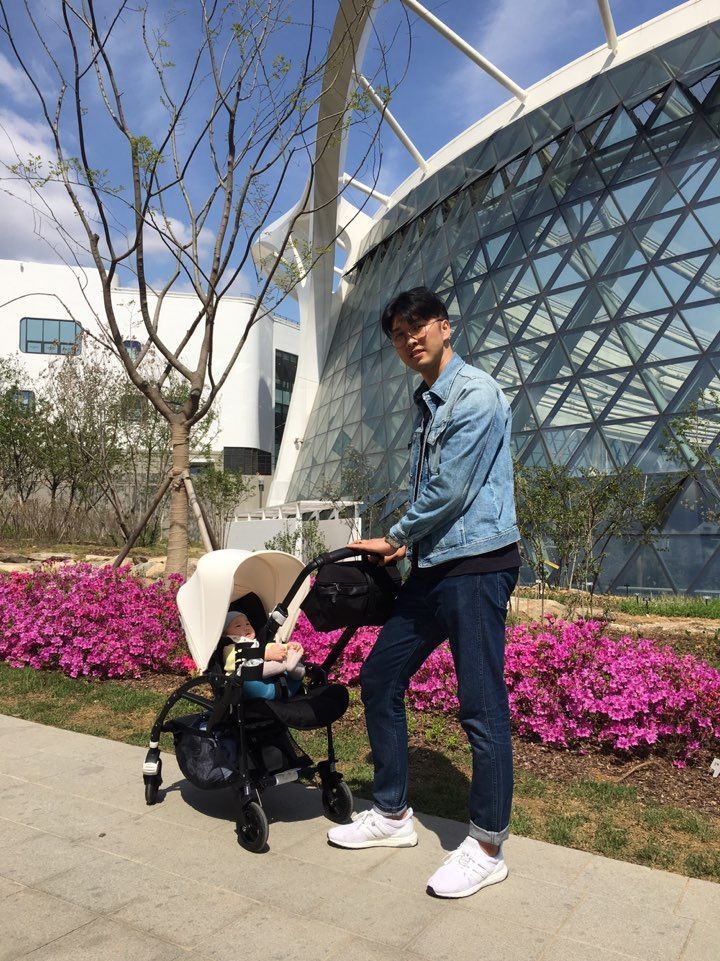
◆ Not only women but men also confidently participate
This corporate culture at Juviz is bringing significant changes not only to female employees but also to male employees.
In reality, men often feel burdened by fears of resignation or performance evaluation when taking parental leave, but at Juviz, a culture encouraging parental leave for male employees as well as female employees has been established.
For example, Shin Won-sang (36), a senior staff member at Juviz headquarters who has been enjoying life as a “Latte Papa” since starting parental leave last October, shared that he felt no anxiety or discomfort in using parental leave. He said, “The company has provided a lot of information about the parental leave system through prior announcements, and the company’s atmosphere encourages men to take parental leave, so I was able to use the system naturally. Through parental leave, I experienced the importance of family and increased responsibility, and when I return to work, I feel motivated to work harder than before.”
Juviz, which encourages parental leave regardless of gender, also implements various systems to balance work, family, and personal life, such as a concentrated leave system (Refresh Day) linked to public holidays, and a ‘shutdown system’ that blocks access to internal systems after work hours, weekends, and public holidays, fostering a culture that values work-life balance.
© The Asia Business Daily(www.asiae.co.kr). All rights reserved.


















