Check If "Safe for Food Contact Surfaces" Is Indicated
Contains Chemical Ingredients Such as Preservatives, Surfactants, and Fragrances
"Is it okay to use wet wipes instead of dishcloths to clean the dining table?"
This is a question that frequently appears on mom cafes and online communities. Some people use wet wipes because they are easier to manage than dishcloths, which need to be boiled and dried, and they seem more hygienic since they are disposable. To get straight to the point, using wet wipes to clean the dining table is not recommended. If you want to use wet wipes on surfaces that come into direct contact with utensils that go into your mouth, such as the dining table, you must first check the product label to see if it is "safe for food contact surfaces."
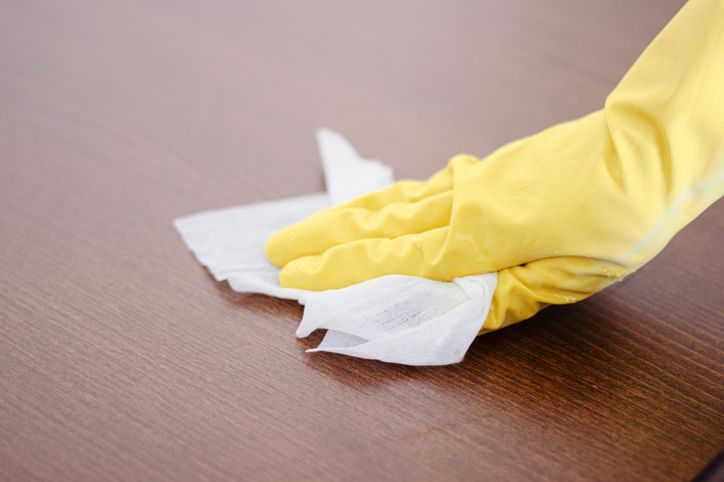
According to the Ministry of Food and Drug Safety and the Korea Consumer Agency on November 15, wet wipes contain chemical ingredients such as preservatives, antimicrobials, surfactants, and fragrances. If these ingredients remain on the table, they can enter the body and may cause skin irritation or allergic reactions in sensitive individuals. In particular, benzalkonium chloride has strong sterilizing and disinfecting effects, but repeated and prolonged exposure can cause allergic contact dermatitis, mucosal irritation, and acute toxicity.
The Korea Disease Control and Prevention Agency has warned that long-term exposure to this ingredient may cause skin or eye irritation and respiratory problems. According to the Ministry of Environment's safety guidelines for household chemical products, products containing disinfectants or sterilizers should not be used on surfaces that come into direct contact with food, and if necessary, should be thoroughly wiped with water afterward. Extra caution is required in households with children or elderly people who have weaker immune systems. Wet wipes that emphasize sterilizing or antibacterial functions may contain higher levels of chemical ingredients, so it is important to carefully check the product labeling before use.
Caution is also needed depending on the material of the dining table. Although marble tables appear hard and smooth, they are actually porous natural stones with tiny holes, making them vulnerable to liquids and acidic substances. Therefore, repeatedly using cleaners containing alcohol or surfactants can cause the surface to lose its shine or leave stains. For wooden tables, if the surface coating wears off, contaminants can be absorbed, causing stains or discoloration. Marble tables should be cleaned using a dedicated cleaner and a soft cloth, and in urgent situations, a wet dishcloth soaked in lukewarm water should be used for cleaning.
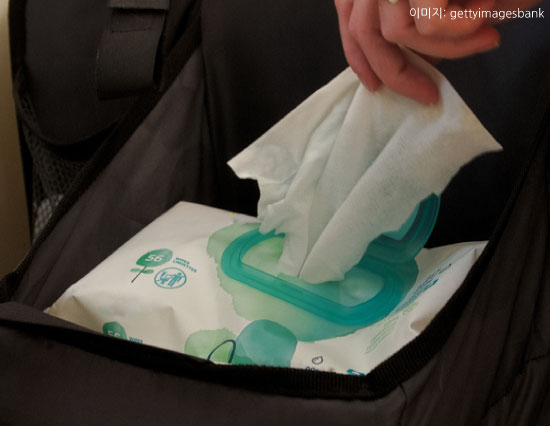
If you must use wet wipes, you should check whether they are labeled as "safe for food contact surfaces" or "for kitchen/dining table use." If you use a product that states "must be rinsed with water when used on food contact surfaces," you should wipe the table once more with a clean wet cloth after using the wet wipe.
© The Asia Business Daily(www.asiae.co.kr). All rights reserved.