Sharp Drop in Production Due to Heat Waves and Drought
Domestic and Tourist Consumption on the Rise
Japanese rice prices have continued their sharp rise, reaching the highest levels since records began. Analysts attribute the deepening supply instability to a simultaneous decrease in production and an increase in consumption.
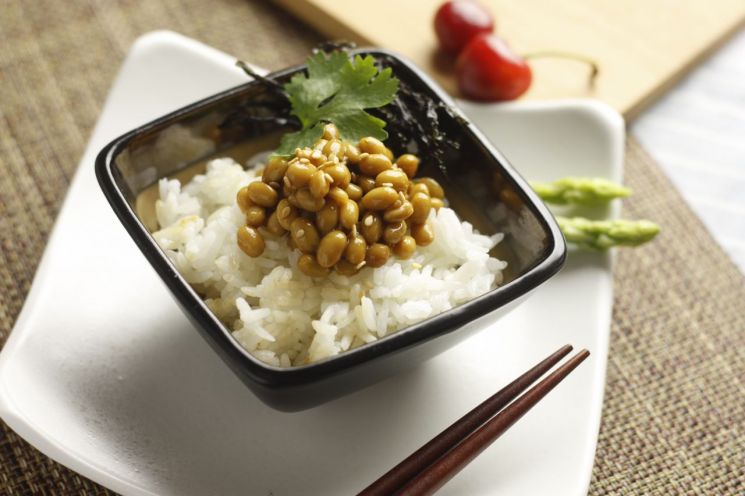 The Mainichi Shimbun reported on the 15th that Japanese rice prices have soared to an all-time high. Pixabay
According to Japanese media reports on the 15th, the Ministry of Agriculture, Forestry and Fisheries compiled sales data from approximately 1,000 supermarkets nationwide for the period of November 3 to 9. The average retail price of rice per 5 kilograms was found to be 4,316 yen (about 40,650 won). This figure represents a 1.9% increase from the previous week and marks the highest price since the statistics began in March 2022. The previous record was 4,285 yen in mid-May, just before the government released a large amount of reserve rice.
The upward trend in Japanese rice prices has persisted for several years. Since 2021, production has failed to keep pace with demand, and last year, record-breaking heatwaves and droughts severely affected rice growth. There are also criticisms that the structural supply shortage has accumulated due to the government's long-standing 'production control policy.' The effective withdrawal of the expansion policy, which had been promoted since the Ishiba administration, is also seen as a factor exacerbating supply instability.
At one point, the government released reserve rice at half price, causing prices to fall to the 3,500-yen range, but as supply decreased, the upward trend quickly resumed. Since last summer, production declines due to heatwaves, a surge in tourists, and panic buying after earthquakes have all combined, resulting in shortages in some regions.
The ripple effects of soaring rice prices have reached South Korea. So-called 'rice shopping,' where Japanese visitors purchase large quantities of Korean rice to take home, has been observed, and actual exports of Korean rice to Japan have risen sharply. According to the Korea Agro-Fisheries & Food Trade Corporation, exports of Korean non-glutinous rice to Japan from January to September this year exceeded 550 tons, a stark contrast to last year’s zero exports. The number of quarantine certificates issued for personal carry-in also surged, with results confirmed by mid-October more than 45 times higher than the previous year.
Experts point out that this situation cannot be viewed simply as a temporary supply and demand issue. They believe that structural factors such as the climate crisis, an aging population, and a decline in the agricultural workforce are collectively undermining the foundation of rice production in Japan.
© The Asia Business Daily(www.asiae.co.kr). All rights reserved.