Splashed HIV-Positive Blood into Medical Staff's Eyes During Treatment
Up to 7 Years in Prison if Convicted
A man in his twenties from North Carolina, United States, was arrested after allegedly splashing HIV-positive blood on medical staff while receiving inpatient treatment. On October 8 (local time), the New York Post reported that U.S. prosecutors had charged a man named Cameron Gilchrist with two counts of assault following his arrest on September 11. Previously, in March, while receiving treatment for diabetes at a hospital, Gilchrist allegedly removed his intravenous (IV) needle from his arm and splashed his HIV-positive blood into the eyes of two medical staff members who were treating him.
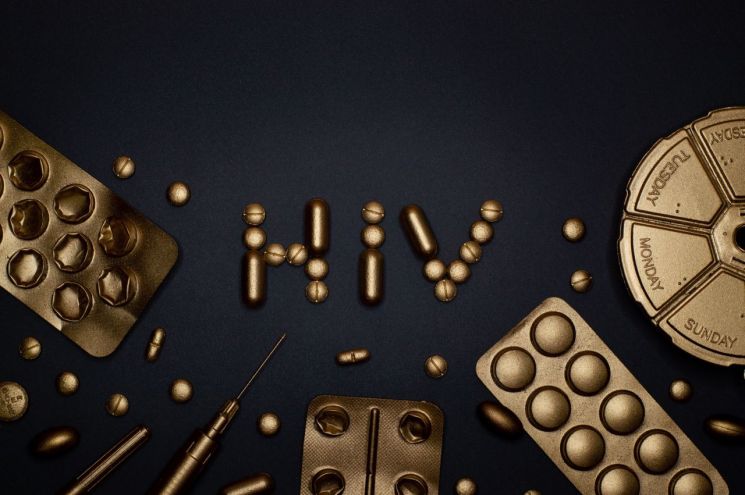 HIV is the virus that causes Acquired Immunodeficiency Syndrome (AIDS) and is transmitted through sexual contact with an infected person, reuse of needles, or transfusion of infected blood. Pixabay
It has not yet been confirmed whether the HIV-positive blood belonged to Gilchrist himself, nor whether the two exposed medical staff members actually contracted HIV. Police explained that Gilchrist was not immediately arrested after the incident because he was receiving medical and psychiatric treatment at the time.
The hospital stated, "The hospital is working closely with law enforcement agencies and, in the event of violence against staff, is proceeding with prosecution procedures and enhancing safety with additional security teams." Gilchrist is currently in custody, and his trial is scheduled for December 8. If convicted, he could face up to seven years in prison.
Meanwhile, HIV is the virus that causes Acquired Immunodeficiency Syndrome (AIDS) and is transmitted through sexual contact with an infected person, reuse of needles, or transfusion of infected blood. When a person contracts HIV, CD4-positive T lymphocytes, which are immune cells, are destroyed, leading to weakened immunity, various infectious diseases, and tumors, which can result in death. However, not all people infected with HIV develop AIDS, and with early diagnosis and treatment, progression to AIDS can be prevented. In particular, if medication suppresses viral activity to the point that HIV is undetectable in blood tests, the risk of transmitting the virus to others decreases dramatically.
© The Asia Business Daily(www.asiae.co.kr). All rights reserved.