CNBC Reports: "Expanding Push into the Enterprise Market"
New Offices and Workforce Expansion in Brazil, India, and More
Clashing with Microsoft Over Integration of AI Models into Cloud Services
Reports have emerged that OpenAI, the developer of ChatGPT, is intensifying its push into the enterprise artificial intelligence (AI) services market, leading to friction with its largest investor, Microsoft (MS). According to Yonhap News, on the 31st (local time), U.S. business media outlet CNBC highlighted that "the role of OpenAI Chief Operating Officer (COO) Brad Lightcap is growing within the company," with a particular focus on his key responsibility of expanding the enterprise market.
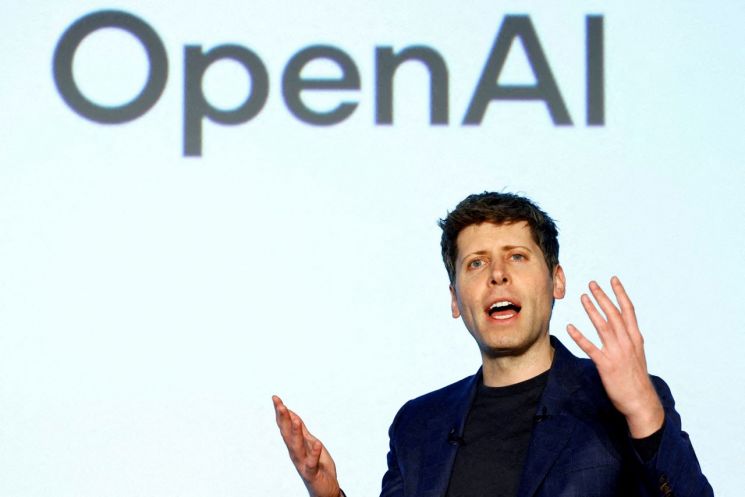
According to CNBC, OpenAI opened new offices in Brazil, Australia, and India last week to respond to growing demand from local corporate clients. It is reported that COO Lightcap has expanded the team responsible for entering the enterprise market from about 50 to over 700 people over the past 18 months. This team includes sales representatives as well as developers who provide direct support to customers. In a recent press briefing, he stated, "After OpenAI launched GPT-4 and ChatGPT Enterprise in 2023, we have felt a surge in demand from businesses."
Rather than relying on salespeople, OpenAI is placing greater emphasis on the role of engineers, working directly with its corporate partners to ensure that its AI models address real business challenges. Among major U.S. companies, pharmaceutical firm Moderna, ride-hailing platform Uber, and investment bank Morgan Stanley are currently utilizing OpenAI's AI models for data analysis, service expansion, and more.
OpenAI's expansion in the B2B market has become a source of heightened tension with its largest investor, Microsoft. This is because Microsoft has been increasing demand for its cloud services by integrating OpenAI's advanced AI models into its offerings for enterprises. CNBC pointed out, "The more OpenAI expands direct sales of its enterprise AI models, the greater the conflict between the two companies becomes."
Regarding this, COO Lightcap commented, "The competitive dynamic with Microsoft is nothing unusual," adding, "The opportunities in the AI market are so vast that, in some ways, it is impossible not to collide with others." He emphasized, "What matters most to OpenAI is the quality, safety, and reliability of our models, and how we collaborate with our customers."
Since 2019, Microsoft has invested over 13 billion dollars (approximately 18 trillion won) in OpenAI. However, the relationship between the two companies began to shift earlier this January, when OpenAI initiated discussions to renegotiate the terms of its multi-billion-dollar investment agreement with Microsoft. Differences became apparent during negotiations over Microsoft's stake in OpenAI, future investment methods, and infrastructure supply conditions. Other sources of conflict include OpenAI's transition to a for-profit entity, competition in the AI model market, technology accessibility, and revenue sharing.
© The Asia Business Daily(www.asiae.co.kr). All rights reserved.