"South Korea Tried to Explore Options, But Kept the Agreement"
No Mention of Our Demands
Differences Over U.S. Investment Methods... Additional Pressure for Agricultural Market Opening Possible
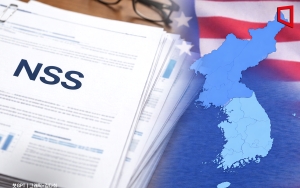
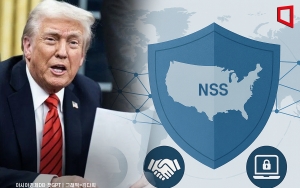
On August 26 (local time), U.S. President Donald Trump stated regarding trade negotiations with South Korea, "We tried to see if they could do something, but we kept the agreement."
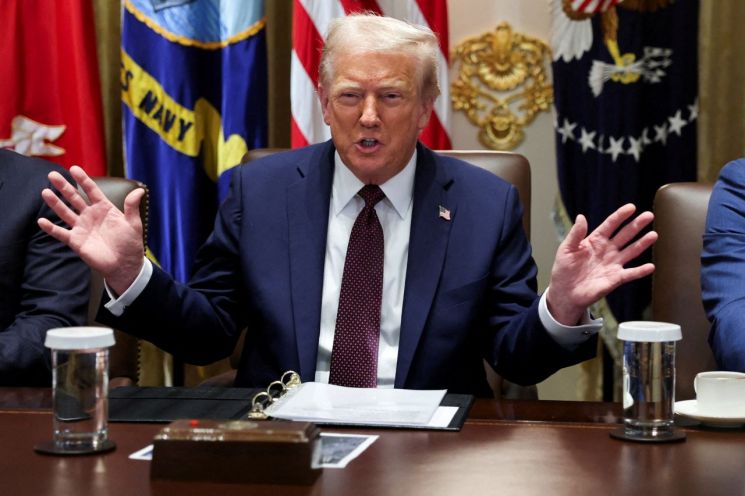
At a Cabinet meeting at the White House that day, President Trump said, "We had some issues with South Korea, but I had a meeting with President Lee Jaemyung yesterday and it was resolved." He continued, "We did nothing; we just kept the same agreement," adding, "He kept the agreement."
These remarks came as he discussed the status of trade agreements not only with South Korea but also with other major trading partners such as the European Union, Japan, and Vietnam. This is interpreted as indicating that during the U.S.-South Korea summit at the White House the previous day, issues of disagreement between the two countries were settled in a way favorable to the United States. Even after the summit, during the proclamation signing ceremony, President Trump was asked about the trade negotiations with South Korea and responded, "It seems the agreement is finalized," and "South Korea raised a few issues, but we stuck to our position."
However, he did not mention specific issues or South Korea's demands.
It remains unclear whether the two countries have truly resolved their differences and reached a trade agreement as President Trump claimed. No disagreements related to the trade deal were directly revealed during the summit the previous day, but there is speculation that differences over South Korea's investment methods in the U.S. and the further opening of its agricultural and livestock markets may surface during follow-up working-level negotiations.
Previously, South Korea pledged last month to invest 350 billion dollars in the United States and to purchase 100 billion dollars worth of U.S.-produced liquefied natural gas (LNG). In response, the United States agreed to lower tariffs on all South Korean imports, including automobiles and auto parts, from 25% to 15%.
However, there are still significant differences of opinion on specific matters. Regarding investment methods in the U.S., South Korea insists on creating a fund centered on guarantees and loans, while the United States is demanding an increase in direct investment. The presidential office also stated that the issue of further opening the agricultural and livestock markets was not discussed during the summit, but some predict that the U.S. demand for market opening may resurface, as the sensitive issue may have only been set aside temporarily. Howard Lutnick, U.S. Secretary of Commerce, indicated ongoing pressure for market opening by stating at the U.S.-South Korea Business Roundtable held immediately after the summit, "We will continue to open markets for our farmers, manufacturers, and innovators."
© The Asia Business Daily(www.asiae.co.kr). All rights reserved.