Impact of Internet Shutdowns to Block Ukrainian Drones
Recent reports indicate that SMS (Short Message Service) is regaining popularity in Russia.
On August 8, Yonhap News cited the Russian daily Izvestia, reporting that SMS traffic has recently increased. Previously, SMS had been overshadowed by messenger services such as WhatsApp and Telegram since the widespread adoption of smartphones in 2010.

A representative from the Russian mobile telecommunications industry commented on this trend, stating, "Between June and July of this year, the volume of SMS sent increased by 12 to 15% compared to the beginning of the year." This figure includes not only authentication codes, payment and delivery information sent by companies, but also personal text conversations.
Some analysts attribute the increase in SMS usage to more frequent mobile internet shutdowns. In fact, in Russia, mobile internet is often disabled in response to drone attacks. This practice became more widespread after a Ukrainian drone attacked a strategic bomber on July 1.
Such shutdowns occur particularly often in regional areas, and it is reported that airport operations in Moscow frequently experience disruptions. As a result, millions of citizens who rely solely on mobile internet are facing significant inconvenience in communication, transportation, and work.
Russian authorities sometimes announce in advance that they may restrict internet access for security reasons during major events such as Victory Day celebrations.
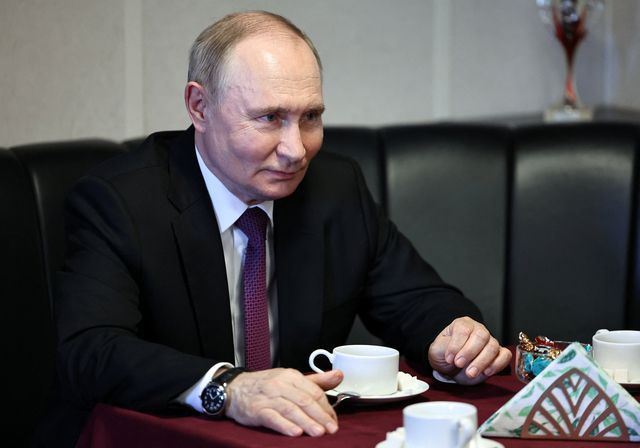
Murtazin explained to the media that banks and other companies are increasingly using SMS rather than instant messaging to reliably provide push notification services. Ordinary citizens also have to use SMS to communicate with acquaintances when the internet is down.
Konstantin Ankilov, CEO of TMT Consulting, stated, "As mobile internet shutdowns become more frequent, demand is rising for 'half-forgotten' technologies such as SMS and public Wi-Fi." He further explained, "These technologies are very important for receiving logins and passwords from banks, websites, and government portals, and they continue to evolve."
© The Asia Business Daily(www.asiae.co.kr). All rights reserved.