April Consumer Prices Remain at 2.1% Despite Falling Oil Prices
Mixed Upward and Downward Factors...
"Expected to Stay Around 2.0% for the Time Being"
The Bank of Korea assessed that domestic price trends remain generally stable, but uncertainties have increased due to factors such as the United States' tariff policies.
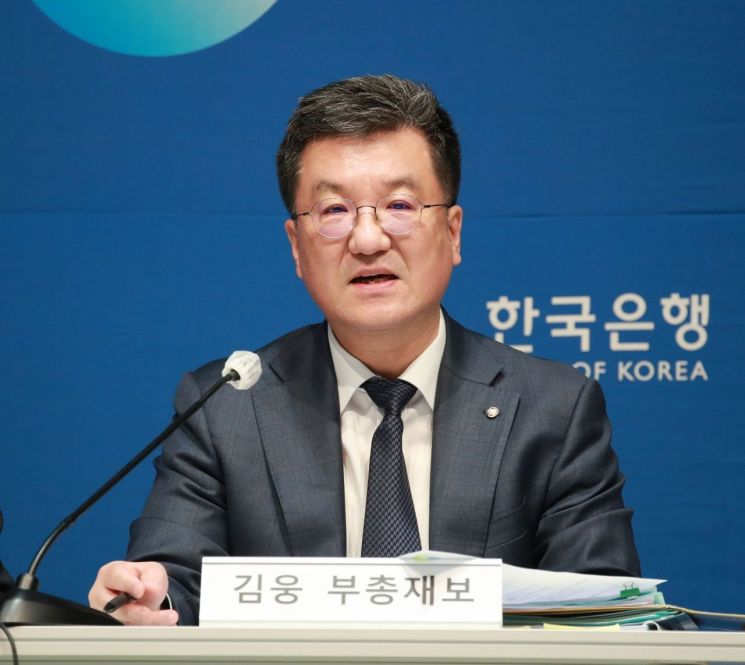
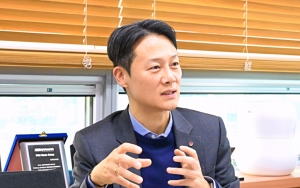
On May 2, Deputy Governor Kim Woong held a meeting to review inflation conditions and stated, "We plan to closely examine the future inflation outlook path and announce it in the May economic outlook."
Last month, the consumer price index rose by 2.1% year-on-year, the same rate as the previous month. Deputy Governor Kim evaluated, "Despite the decline in petroleum prices, the increase in prices of food and personal services expanded, maintaining the previous month's level." Petroleum prices turned to a decline for the first time in five months (from 2.8% to 1.7%), but prices of agricultural, livestock, and fishery products increased (from 0.9% to 1.5%), and processed food prices also rose (from 3.6% to 4.1%).
He also noted that core inflation expanded from 1.9% to 2.1%, mainly due to increases in dining out prices and insurance service fees.
Regarding future price trends, Deputy Governor Kim stated, "Downward factors such as falling oil prices and weak demand pressure, and upward factors such as the higher exchange rate, are offsetting each other, so both consumer prices and core inflation are expected to remain around 2%. While the overall trend is stable, uncertainties have increased."
© The Asia Business Daily(www.asiae.co.kr). All rights reserved.





![15-Year Veteran Field Mechanic Becomes AI Talent... Korean Air's Experiment [AI Era, Jobs Are Changing]](https://cwcontent.asiae.co.kr/asiaresize/319/2025121111232252273_1765419802.jpg)