Analysis of Liver Injury Using HIRA Claims Data
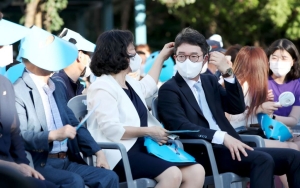
A study conducted on a large patient group of over 670,000 people revealed on the 10th that herbal medicine prescribed at Korean medicine institutions poses a low risk of hepatotoxicity.
Professor Won Seong-ho's team from Seoul National University Graduate School of Public Health and Professor Lee Sang-heon from Dankook University conducted a study analyzing the impact of herbal medicine prescriptions through Korean medicine institutions on the risk of 'drug-induced liver injury' using claims data from the Health Insurance Review and Assessment Service from 2011 to 2019, targeting 672,411 patients.
The study results showed that visiting Korean medicine institutions or receiving herbal medicine prescriptions did not increase the risk of drug-induced liver injury within 90 days. In particular, the risk in the outpatient group was 1.01 (95% confidence interval: 1.00?1.01), showing almost no change.
On the other hand, in the patient group who visited Western medical hospitals or clinics or received Western medicine prescriptions, the relative risk of drug-induced liver injury within 3 to 15 days after visiting Western medical institutions was 1.55 (95% confidence interval: 1.55?1.56), and in cases of receiving Western medicine prescriptions, it was 2.44 (95% confidence interval: 2.43?2.44).
Previously, hepatotoxicity has been cited as a representative side effect of herbal medicine. According to the Korea Consumer Agency, an analysis of 127 claims related to Korean medicine treatment in 2020 showed that among 28 cases of side effects related to herbal medicine treatment, 11 cases (39.3%) involved complaints of hepatotoxicity.
Regarding this study, the Association of Korean Medicine Doctors (hereinafter Hanuihoe) stated, "This valuable result clearly reveals that the claims by some Western medical circles misleading the public that herbal medicine is harmful to the liver are completely groundless and malicious lies," adding, "It has been proven through academic papers utilizing large-scale data that herbal medicine is safe for the liver and even beneficial for liver health."
Hanuihoe argued that the main cause of drug-induced liver injury is Western medicine. They also stated that the impact of herbal medicine on hepatotoxicity is minimal, as confirmed by domestic and international papers and research results.
Hanuihoe emphasized, "A study published in the American Journal of Hepatology reviewed 1,198 patients with drug-induced liver injury in the United States and found that liver injury was caused by Western medicines such as antibiotics, anti-tuberculosis drugs, and antifungal agents," adding, "From 2012 to 2016, a total of 6,673,000 cases were surveyed through the 'China ADR (Adverse Drug Reaction) Monitoring System,' and the proportion of liver injury caused by herbal medicine was only 4.5%, whereas Western medicine accounted for 95.5%."
They continued, "In domestic research conducted by Korean medicine doctors, no liver function abnormalities were observed in 57 patients who took only herbal medicine," and "Among 256 patients who took Western medicine concurrently, 6 showed liver function abnormalities. It was revealed that Western medicine is primarily suspected as the main cause of liver function abnormalities."
Meanwhile, the joint academic paper by Professor Won Seong-ho's team at Seoul National University Graduate School of Public Health and Professor Lee Sang-heon's team at Dankook University was published in the January issue of the international academic journal Frontiers in Pharmacology.
© The Asia Business Daily(www.asiae.co.kr). All rights reserved.










![$29 Monthly Subscription AI Plant Appliance... US Startup Challenges LG [CES 2026]](https://cwcontent.asiae.co.kr/asiaresize/319/2026010819285284553_1767868133.png)