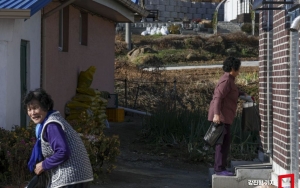
[Asia Economy (Suwon) = Reporter Lee Young-gyu] It has been revealed that the river and valley maintenance projects promoted by Gyeonggi Province since last year played a significant role in reducing flood damage despite the recent heavy rains.
Gyeonggi Province announced on the 3rd that a comparative analysis through the National Disaster Management System (NDMS) of the cumulative rainfall during this year’s monsoon season (July 28 to August 11) and the 2013 monsoon season (June 17 to August 4) showed that the number of damage cases decreased by 75%, and the damage amount was reduced by an astonishing 94%.
The cities and counties included in this analysis within the province are five locations: Pocheon-si, Namyangju-si, Gwangju-si, Gapyeong-gun, and Yangpyeong-gun. These areas experienced severe flood damage in 2013 and have recently been the focus of intensive illegal facility removal efforts by the province.
The number of flood damage cases in these areas this year was 2, a 75% decrease from 8 cases in 2013. The damage amount sharply dropped from 636 million KRW in 2013 to 37 million KRW this year, a 94% reduction.
Looking at specific cases, Yeongpyeongcheon in Pocheon, Guuncheon in Namyangju, and Beoncheon in Gwangju suffered 269 million KRW in damages in 2013, but there was no damage after the maintenance projects this year. Gapyeongcheon in Gapyeong and Yongmuncheon in Yangpyeong saw a drastic decrease from 367 million KRW in 2013 to 37 million KRW this year.
The province attributes these results to the 'Clean River and Valley Maintenance Project' initiated in June last year, which proactively removed 11,383 illegal facilities from 1,460 businesses along 198 rivers within the province.
In fact, illegal facilities such as platforms and containers within rivers and valleys have been identified as major causes of flooding by obstructing water flow during heavy rains, raising water levels, and easily causing river overflows even under rainfall below flood design frequency.
Moreover, facilities swept away by heavy rains get caught on bridges and other structures, degrading the stability of river embankments and revetments, causing overflow phenomena, and inflicting secondary damage on nearby homes and farmland.
The province also reported that flood simulations conducted on six rivers?Seokhyeoncheon in Yangju, Guuncheon in Namyangju, Yongmuncheon and Satancheon in Yangpyeong, Dongducheon in Dongducheon, and Beoncheon in Gwangju?where no flood damage occurred due to the maintenance project, predicted significant damage would have occurred without the removal of illegal facilities, including secondary damage.
The simulation results showed that water levels in all six mountainous valley rivers rose to more than 70% of the planned flood volume, flooding most areas where illegal facilities were located. The flooded illegal facilities were predicted to be swept downstream by water velocities exceeding 3.0 m/s, which is strong enough to move relatively large natural stones.
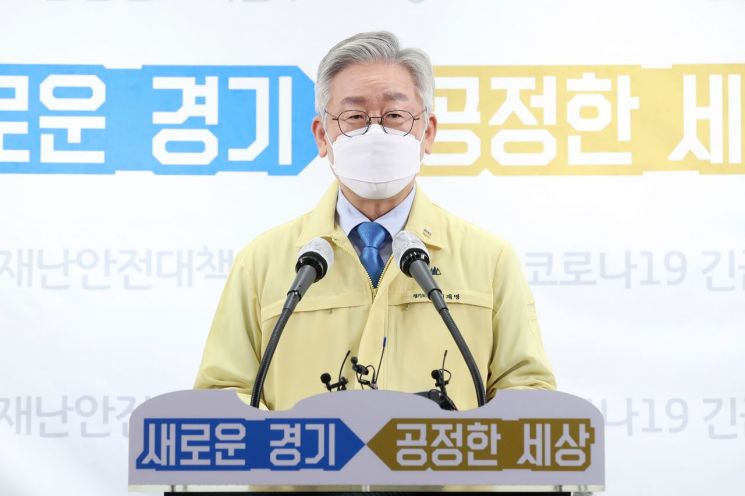
Gyeonggi Province Governor Lee Jae-myung expressed gratitude to the residents who actively cooperated with the valley maintenance despite difficulties through SNS on the 2nd, saying, "I thought the valley maintenance only had the effect of securing rest areas for residents by removing illegal facilities, but it also had a great effect on flood prevention, so the unexpected benefits were considerable."
He added, "As promised, we will mobilize all possible means such as prompt maintenance, installation of convenience facilities, community projects, and administrative, financial, and banking support to ensure that the lives of local residents who cooperated will quickly return to normal."
© The Asia Business Daily(www.asiae.co.kr). All rights reserved.